Moroccan Traditional Clothing Explained: Djellaba, Kaftan, and the Meaning Behind Each Garment
Introduction—More Than Clothing, Less Than Costume
If you’ve ever paused on a photo of Moroccan clothing—online or while traveling—you’ve probably felt two things at once: attraction and hesitation.
The garments are striking. The names are unfamiliar. And it’s not always clear whether what you’re looking at is something people actually wear, something reserved for special moments, or something adapted purely for outsiders.
That uncertainty isn’t a lack of knowledge—it’s a reasonable response to how Moroccan clothing is often presented. This guide starts there, with the questions people usually have but rarely see answered.
Kaftans, djellabas, and takchitas are known for their beautiful names, rich fabrics, and intricate details. But what do they actually mean? Are they everyday clothes? Ceremonial garments? Modern fashion inspired by tradition?
That confusion is common—and understandable. Outside Morocco, traditional clothing is often presented without context, flattened into “ethnic fashion,” or treated as a costume rather than living culture.
This guide is here to do something simple but rare: explain Moroccan traditional clothing as it’s actually worn and understood, not as it’s marketed.
Do Moroccans Still Wear Traditional Clothing?
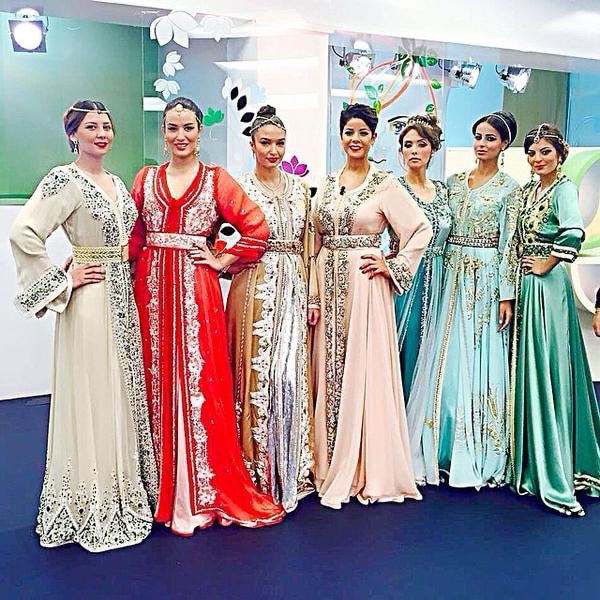
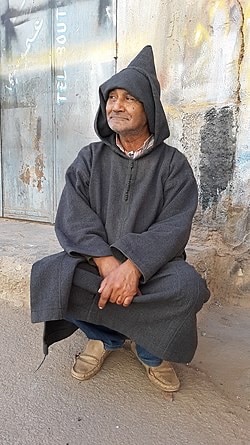
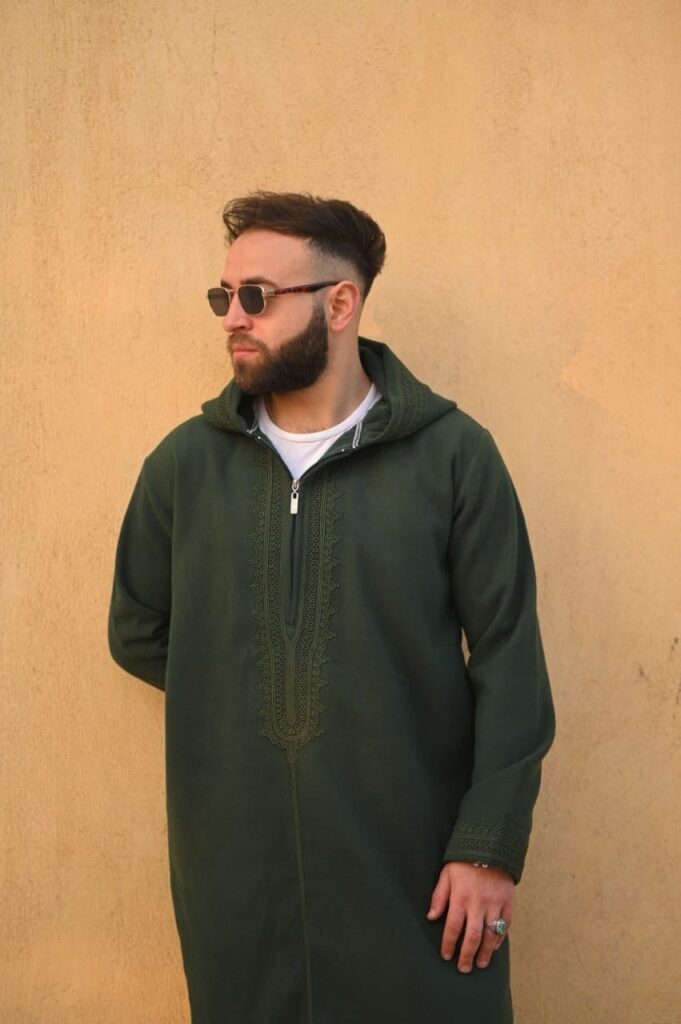
Yes—very much so.
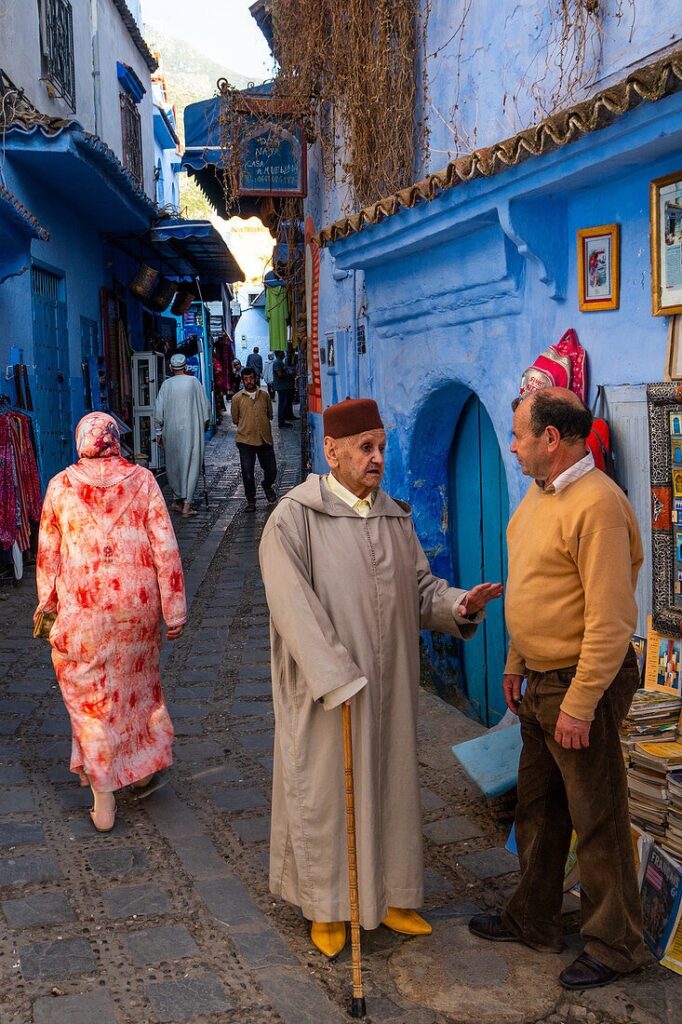
One of the biggest misconceptions is that Moroccan traditional clothing belongs to the past or to special occasions only. In reality, many garments are part of everyday life.
Walk through cities or smaller towns and you’ll see:
- Men and women wearing djellabas daily
- Traditional clothing adapted for work, errands, and family life
- A natural coexistence of jeans, sneakers, and traditional garments
What changes is how and when certain pieces are worn—not whether they still matter.
The Djellaba: Everyday Tradition
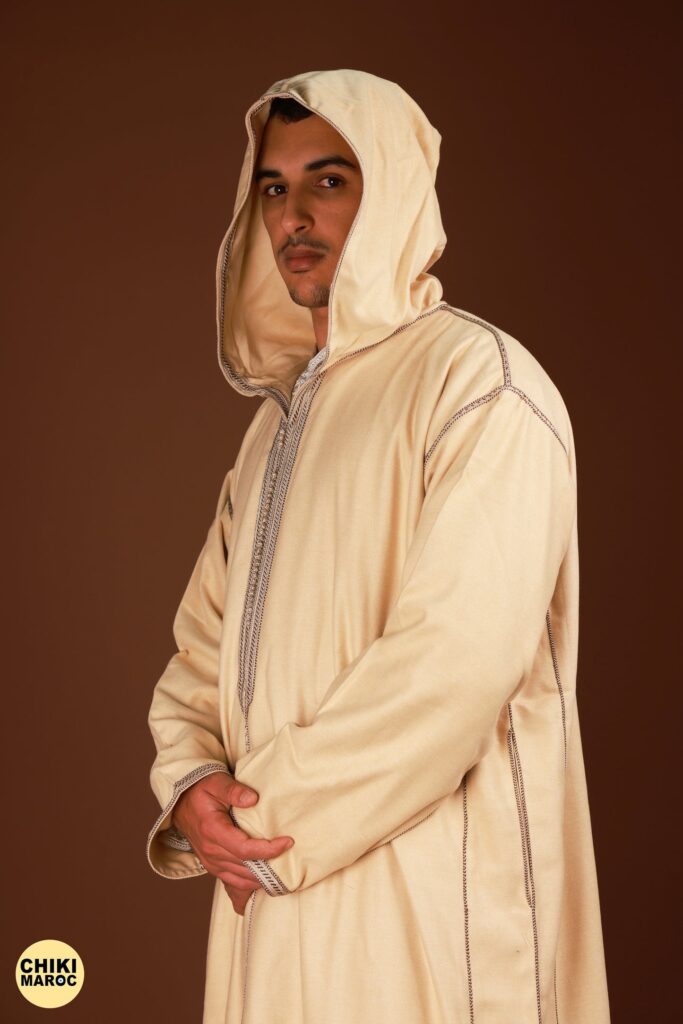
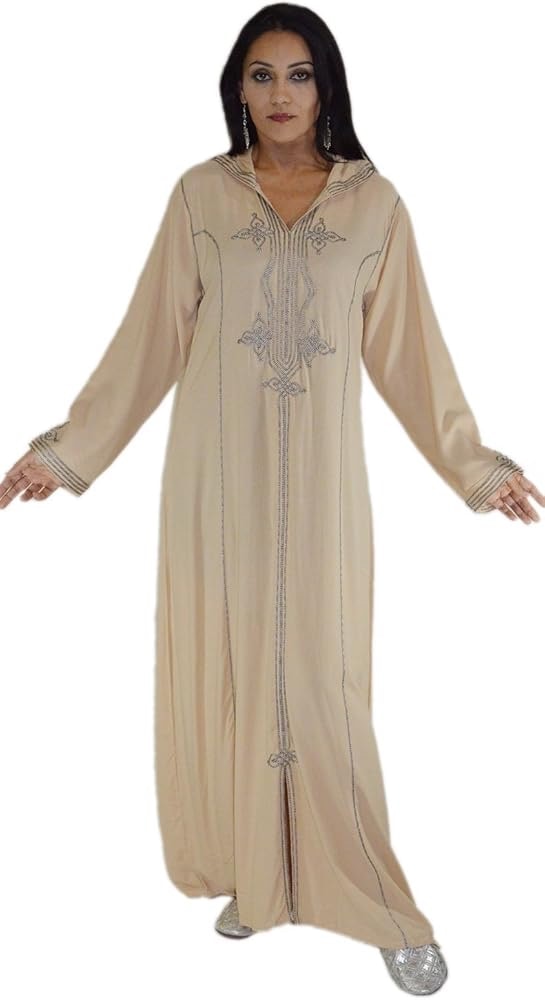
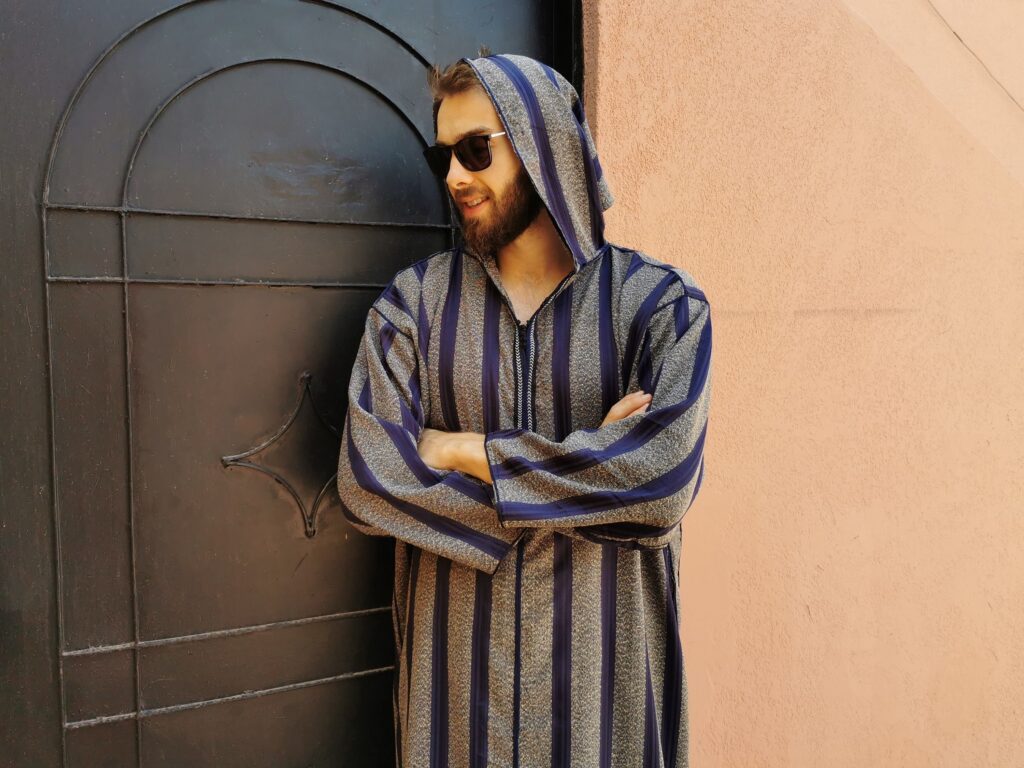
In Morocco, the djellaba isn’t just for special occasions; it’s a working garment that fits into everyday life.
You’ll see it early in the morning, at markets, on quiet streets, and during evening walks. Men and women wear it not to make a statement, but because it’s practical: it protects from sun and wind, allows movement, and feels appropriate in public spaces without requiring thought.
What changes is not whether the djellaba is worn, but how:
- Light, breathable fabrics in warm months
- Thicker wool or layered versions when evenings turn cold
- Simple cuts for everyday errands, slightly more refined ones for visits or Fridays
The versions sold to visitors often miss this point. They prioritize color, decoration, or novelty. Locally worn djellabas are more restrained—chosen for how they behave over a full day, not how they photograph.
The Kaftan: Ceremony, Not Casualwear
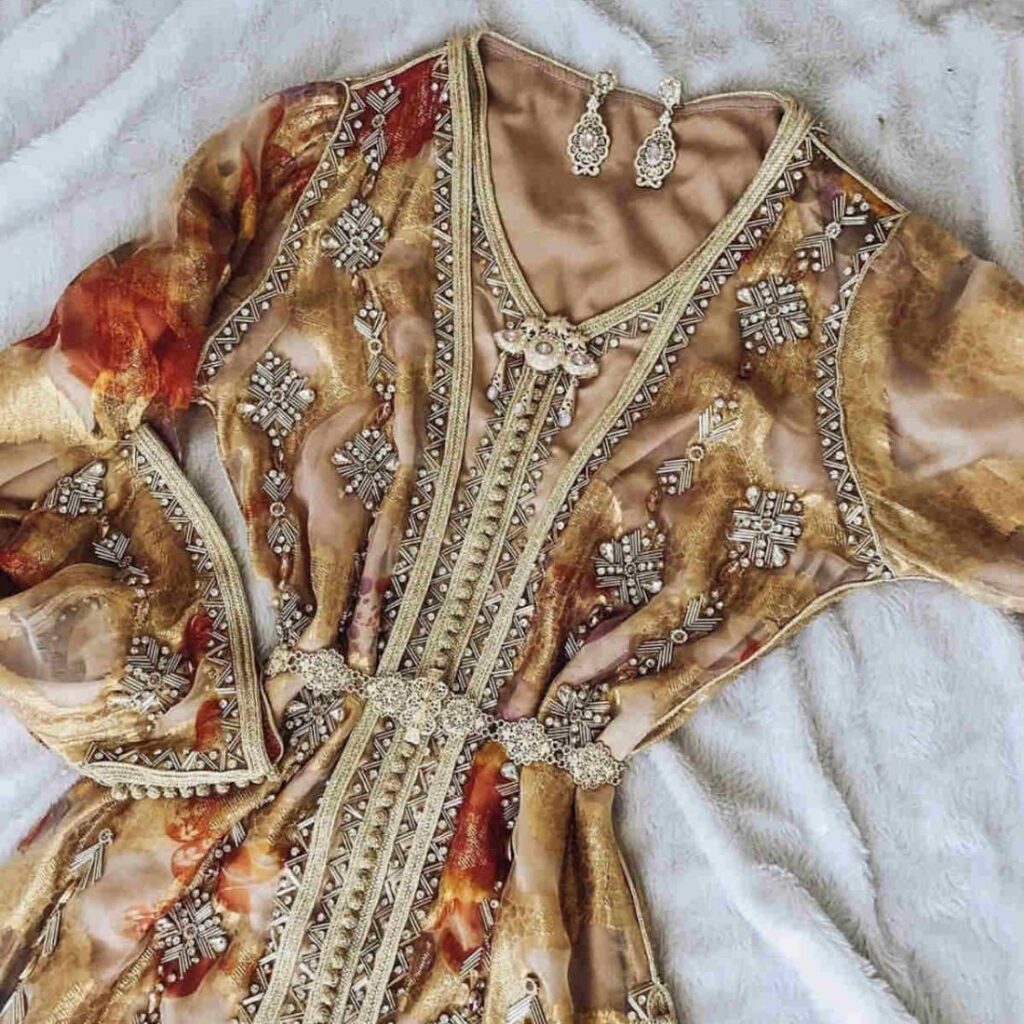
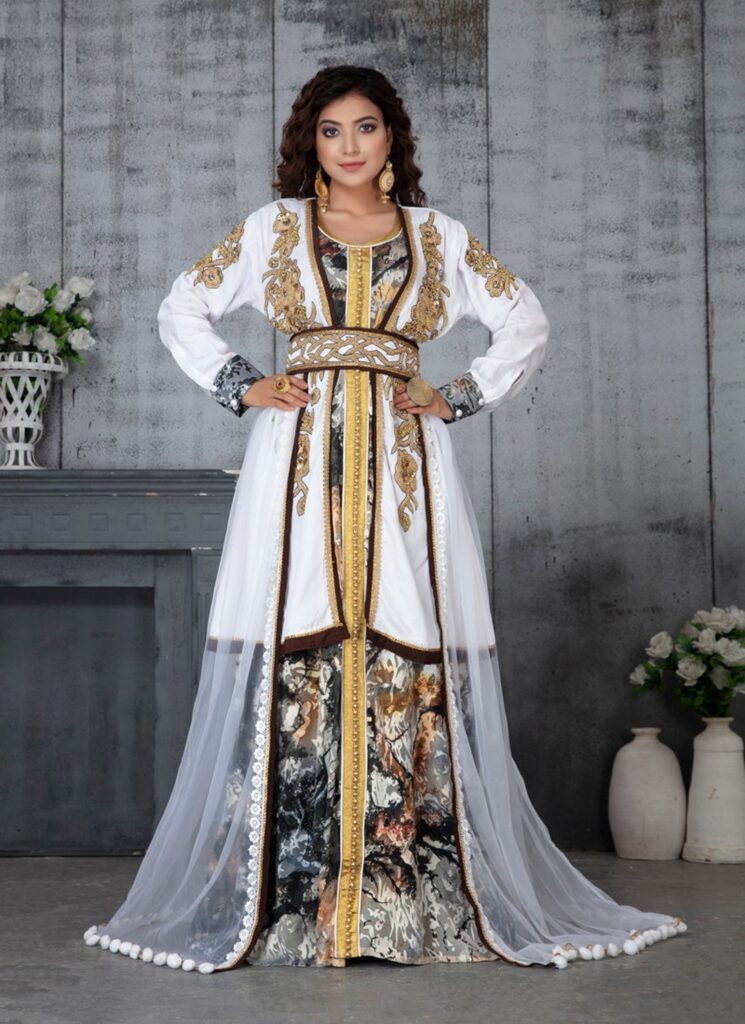
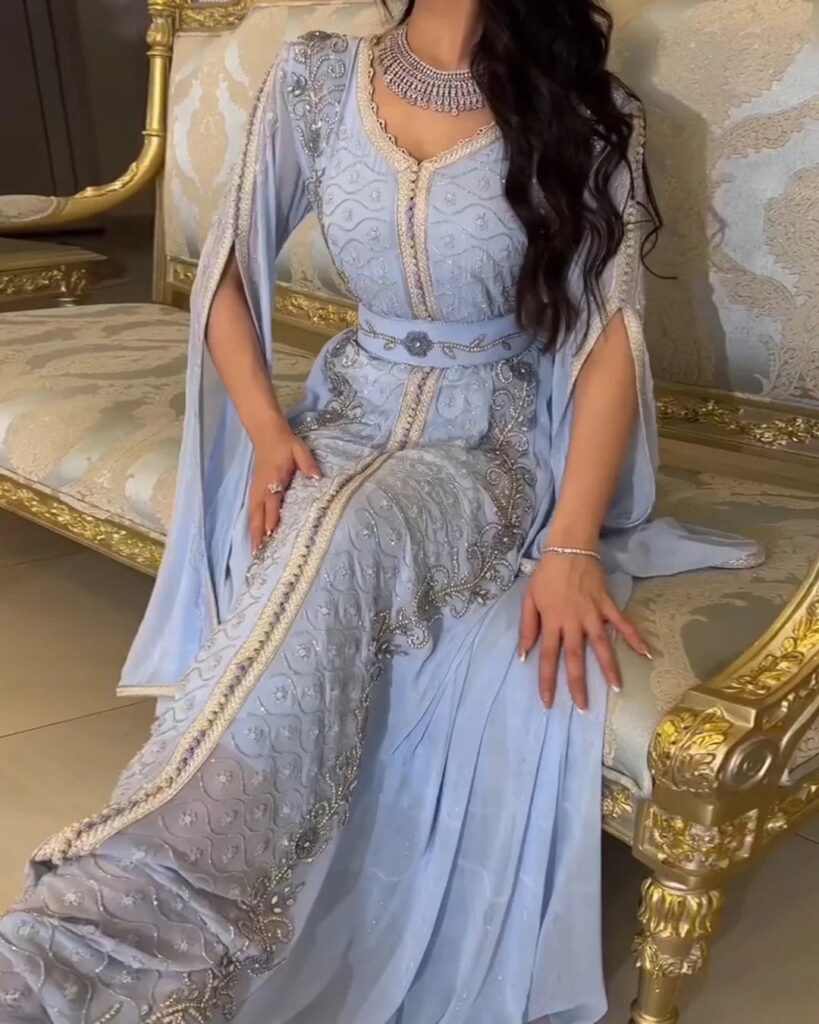
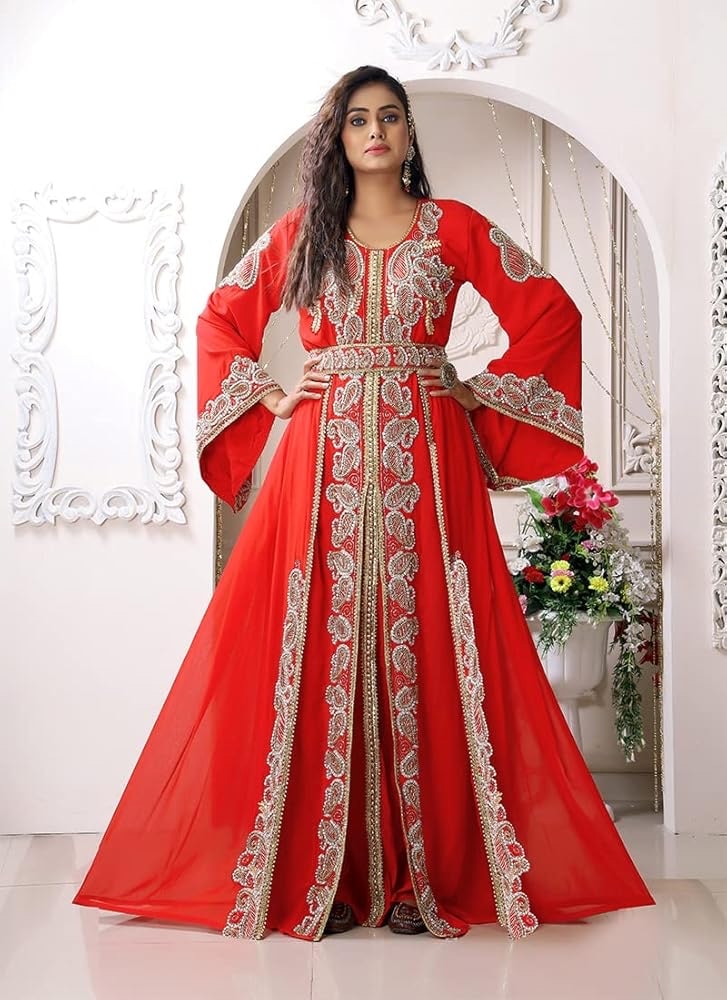
The kaftan occupies a very different space.
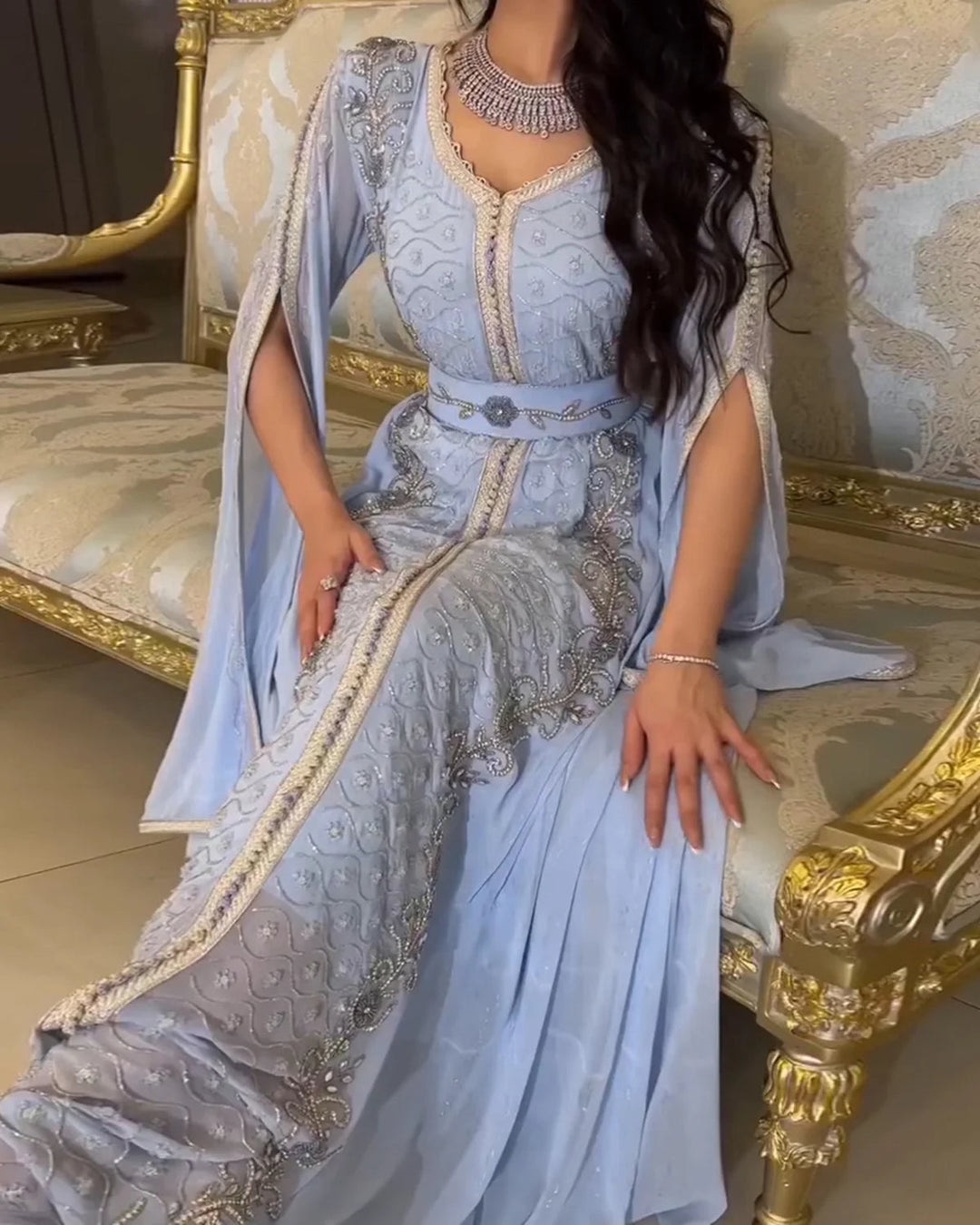
In Morocco, a kaftan is formal attire—associated with celebrations, weddings, and important events. It’s not an everyday garment.
Important distinctions:
- Traditionally worn by women
- Often richly embroidered and carefully tailored
- Designed to be worn on specific occasions, not casually
Outside Morocco, kaftans are often rebranded as beachwear or loungewear. That modern reinterpretation isn’t wrong—but it’s no longer traditional in meaning.
Avoiding cultural misunderstanding is made easier by being aware of this distinction.
The Takchita: Layers and Ceremony
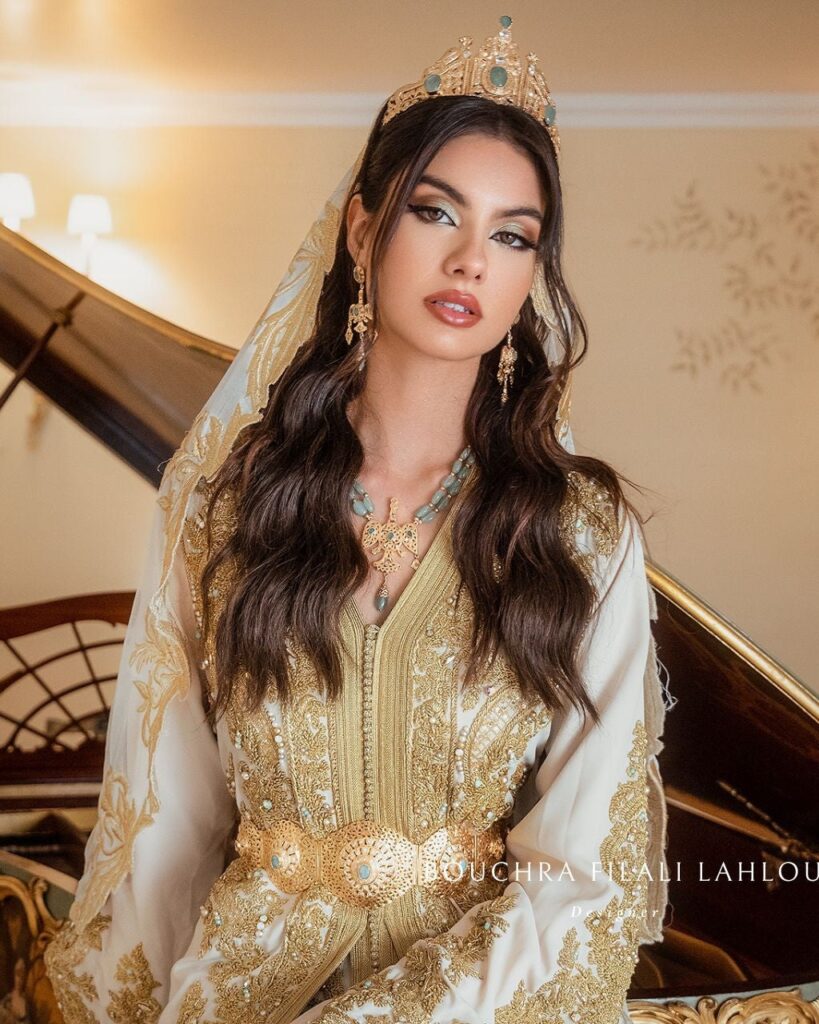
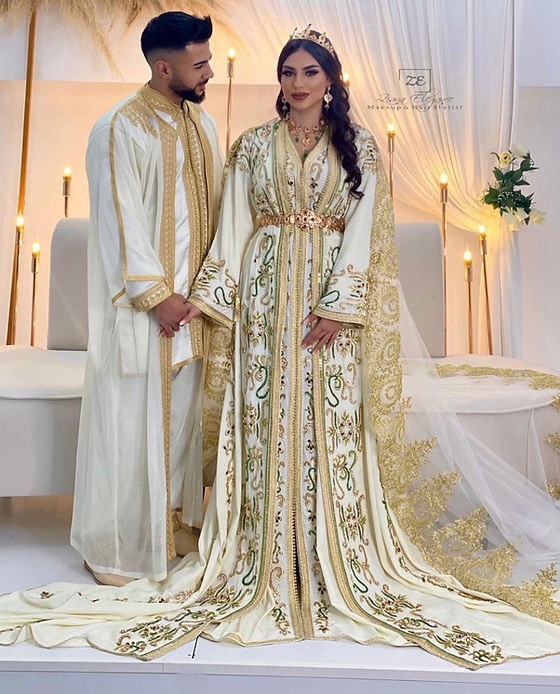
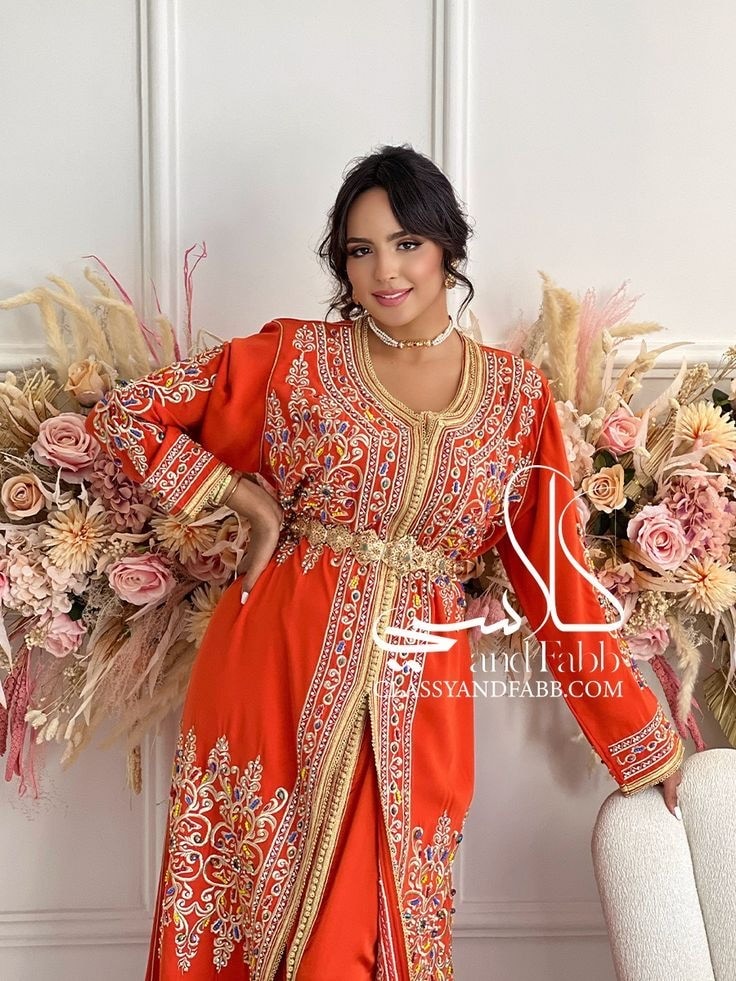
You usually don’t see a takchita until the moment truly calls for it.
In Moroccan weddings and large family celebrations, the takchita appears later in the evening—after the casual greetings, when attention shifts to ceremony and presence. It’s not designed for movement or everyday comfort. It’s designed to be seen briefly and intentionally.
A takchita is worn in two layers for a reason:
- A base dress that gives structure and weight
- An open outer layer, heavily worked, that carries the visual focus
When worn, it changes how the wearer moves. Steps slow. Posture straightens. The pace is set by the garment, not the other way around.
Where a kaftan can feel refined and self-contained, a takchita is openly declarative. It signals occasion, status, and respect for the event. It’s bold—that is its purpose.
Gandoura and Other Traditional Garments
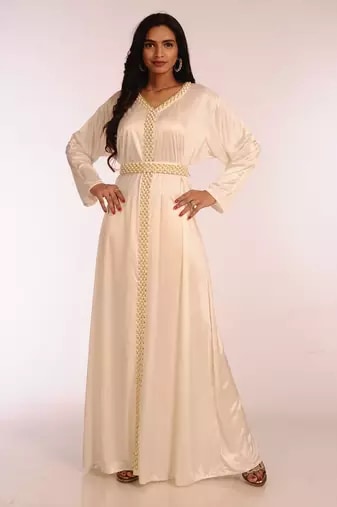
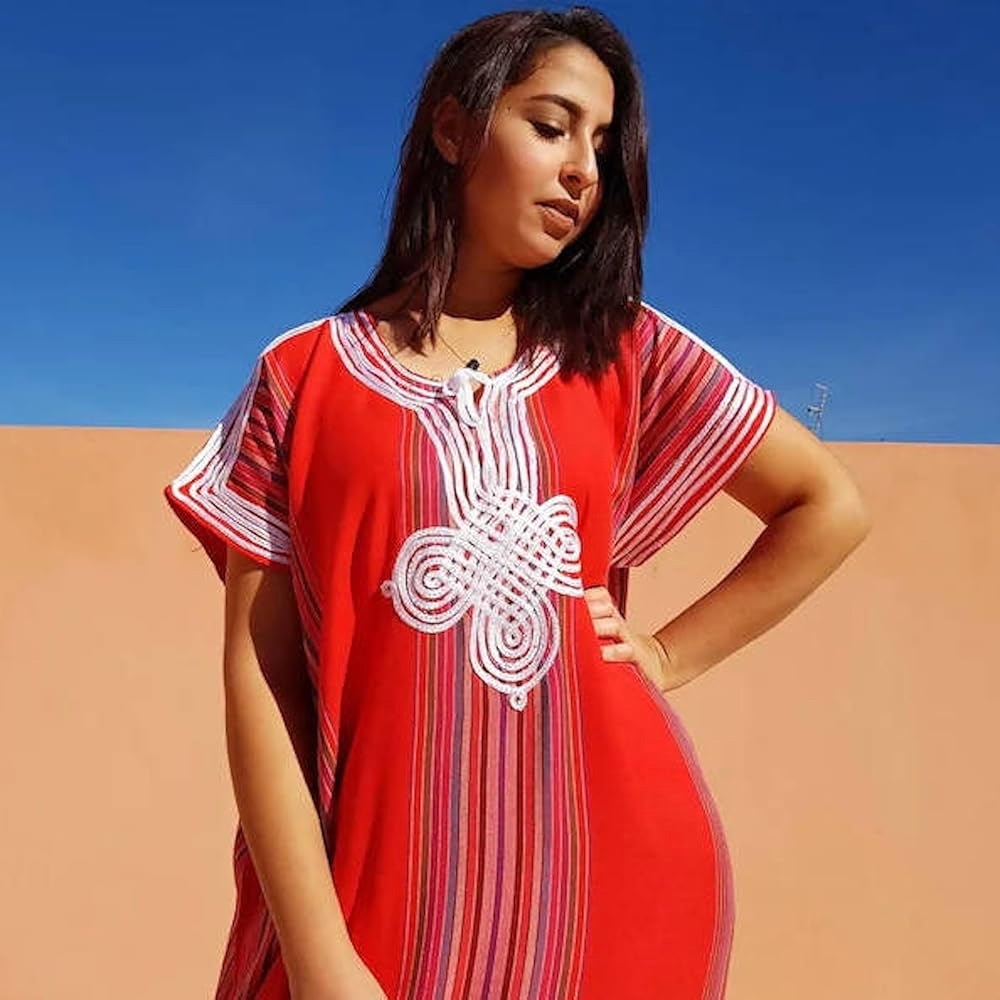
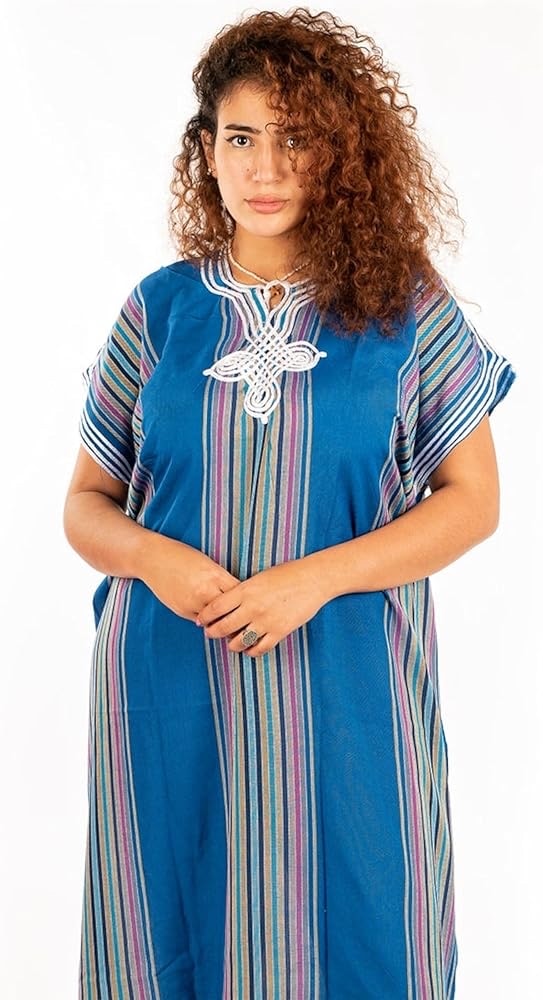
The gandoura is the garment you notice once you step inside, not out on the street.
It’s what people change into at home, what appears during long summer afternoons, and what you see worn during quiet family gatherings rather than public errands. Sleeveless or short-sleeved, it’s designed for heat and ease—something you sit in, move freely in, and forget you’re wearing.
Unlike the djellaba, the gandoura isn’t meant to signal anything to the outside world. It doesn’t need a hood, structure, or weight. Its role is comfort, not visibility.
Morocco has many traditional garments beyond the well-known names, but they all follow this same logic: each piece fits a moment, a place, and a social setting. Once you start noticing where and when a garment appears, the names matter far less—and the culture makes much more sense.
Traditional vs Modernized: Where Confusion Starts
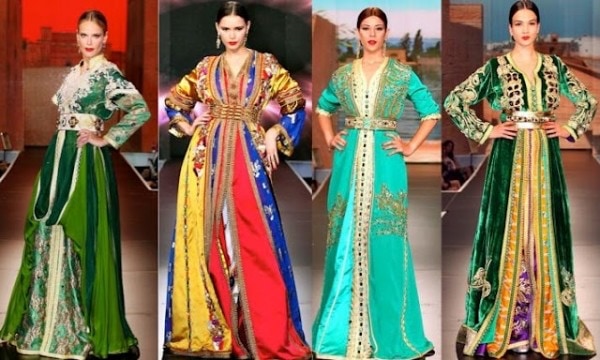
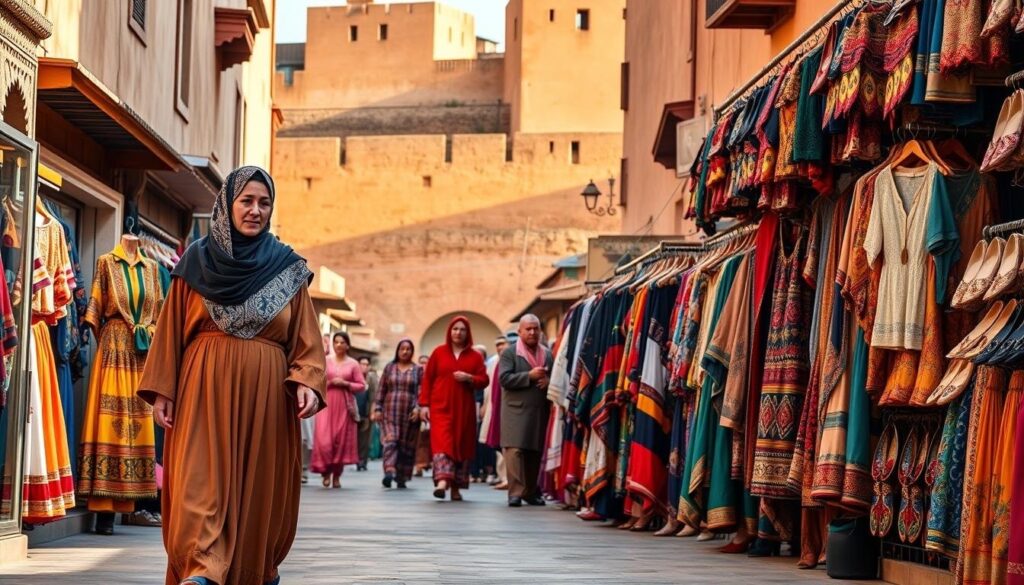
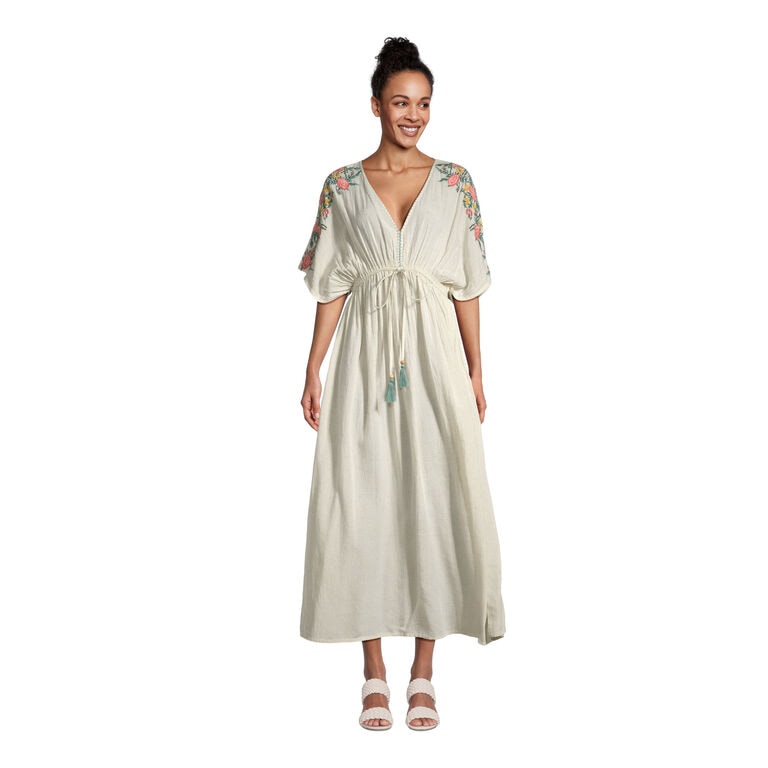
Many modern designers reinterpret Moroccan clothing—and that’s not a bad thing.
The issue arises when:
- Modern fashion is labeled as “traditional” without context
- Ceremonial garments are marketed as casual wear
- Craftsmanship is replaced by mass production
I’ve often seen visitors assume all kaftans are interchangeable or that wearing one casually reflects Moroccan culture. In reality, context is everything.
Traditional clothing is not static—but it is meaningful.
What Makes Moroccan Traditional Clothing Authentic?
Authenticity in Moroccan traditional clothing isn’t defined by how old a garment is or how closely it follows a rulebook. It shows up in how the piece is made, when it’s worn, and who it’s made for.
Authentic garments usually make their purpose clear the moment you see them:
- Djellabas cut for movement and daily wear, not display
- Kaftans and takchitas constructed to be worn once, carefully, for important occasions
- Stitching, weight, and structure that reflect use—not trends
What often feels inauthentic is clothing designed only to look traditional: decorative patterns without function, generic cuts meant to appeal everywhere, and production that hides the hands behind the work.
Understanding why a garment exists—what moment it belongs to, how it’s meant to move, and who would realistically wear it—matters far more than how closely it resembles a photo online.
Who Moroccan Traditional Clothing Is (and Isn’t) For
This clothing resonates most with people who:
- Are curious about culture, not just fashion
- Want to understand context before wearing
- Respect garments as living tradition
It may not suit those looking for:
- Trend-based novelty
- Costume-like pieces
- Instant visual statements without meaning
Neither approach is wrong—but confusing the two leads to disappointment.
Final Thought—Living Culture, Not Frozen Tradition
Moroccan traditional clothing isn’t a museum exhibit.
It’s worn, adapted, celebrated, and sometimes reinterpreted—but always connected to daily life, social moments, and identity.
Once you understand the difference between djellaba, kaftan, and takchita—not just by name, but by purpose—everything becomes clearer.
And appreciation replaces confusion.