Why Moroccan Craft Is Never “Perfect” (And Why That’s the Point)
The Moment Doubt Creeps In
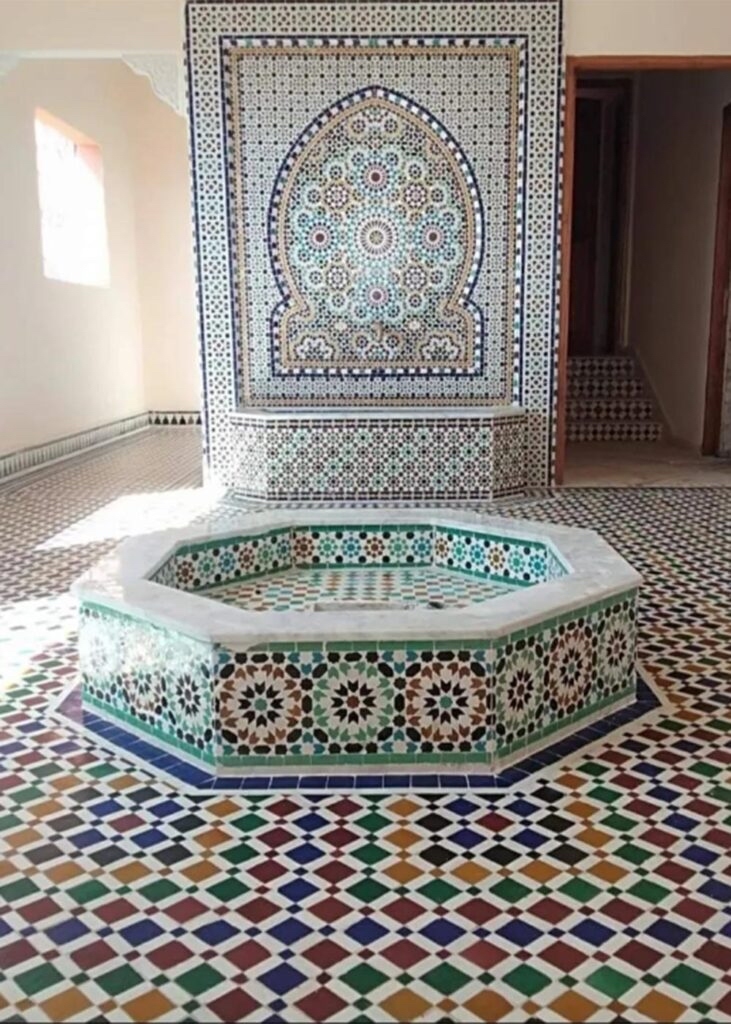
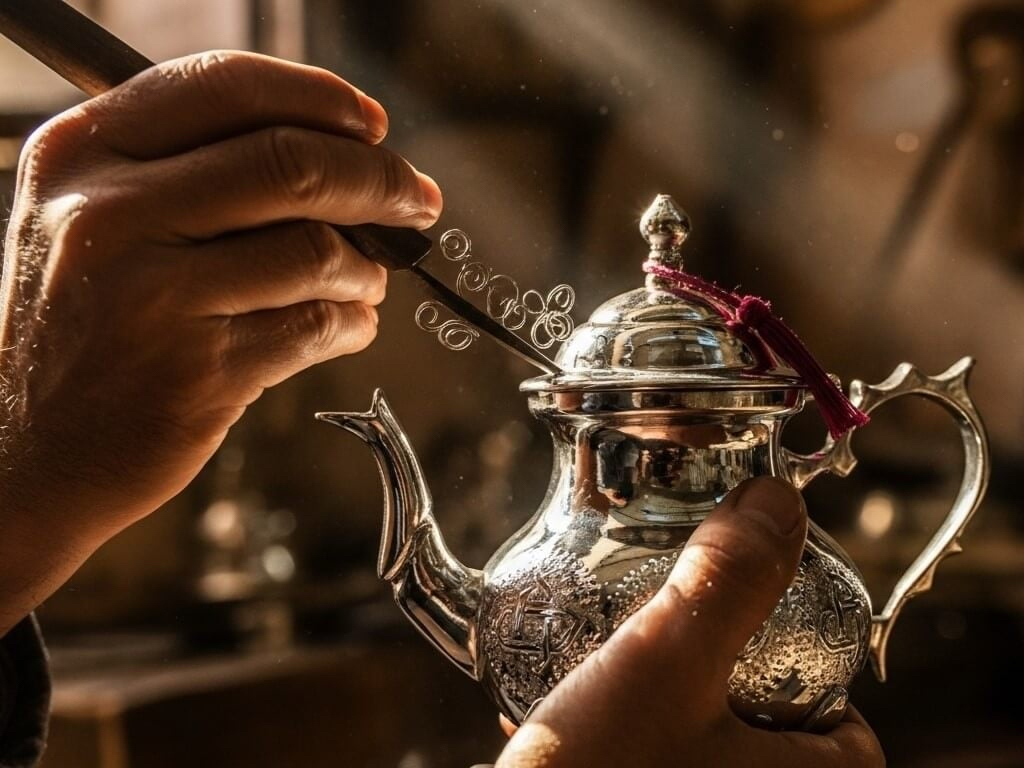
If you’re drawn to Moroccan handmade objects, there’s often a moment where admiration turns into hesitation.
You notice a line that isn’t straight.
A slight shift in the pattern catches your eye.
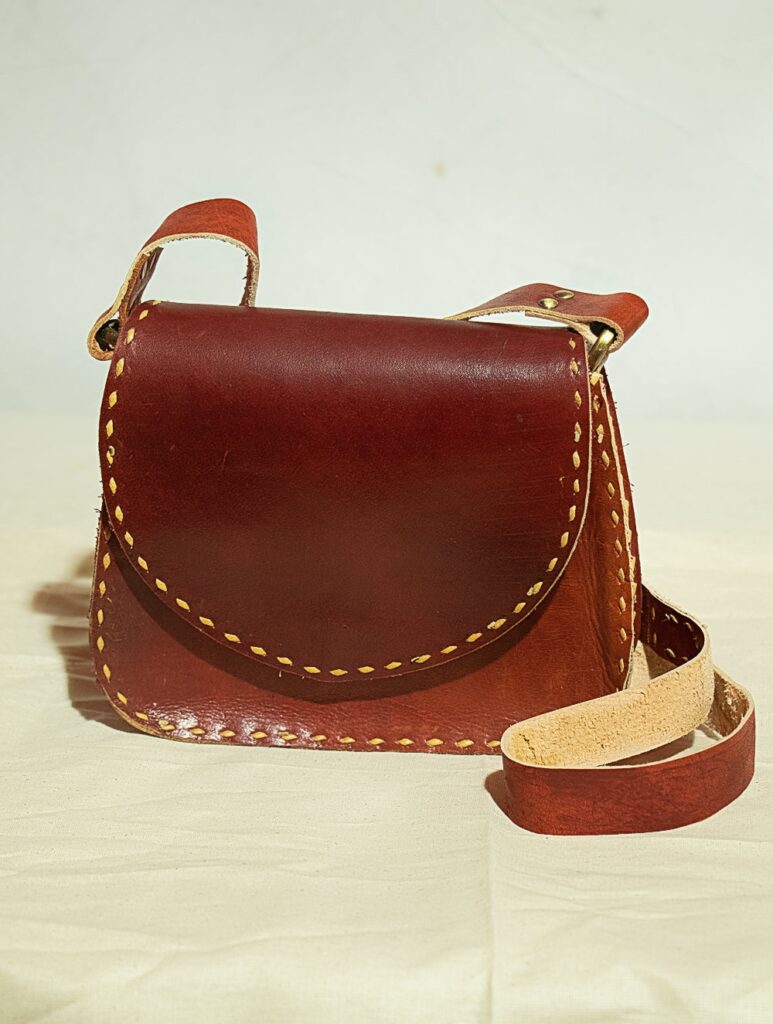
The stitching exhibits an imperfect repetition.
And a quiet question appears: Is this a flaw—or is this how it’s supposed to be?
That doubt is understandable. We’ve been trained—by factories, by branding, by polished interiors—to associate value with consistency. When something looks irregular, we instinctively wonder whether we’re paying too much for something unfinished.
This article exists to slow that moment down. Not to persuade you to accept flaws—but to help you understand what imperfection actually means in Moroccan craft and how to tell the difference between human expression and careless work.
Moroccan Craft Was Never Designed to Be Perfect
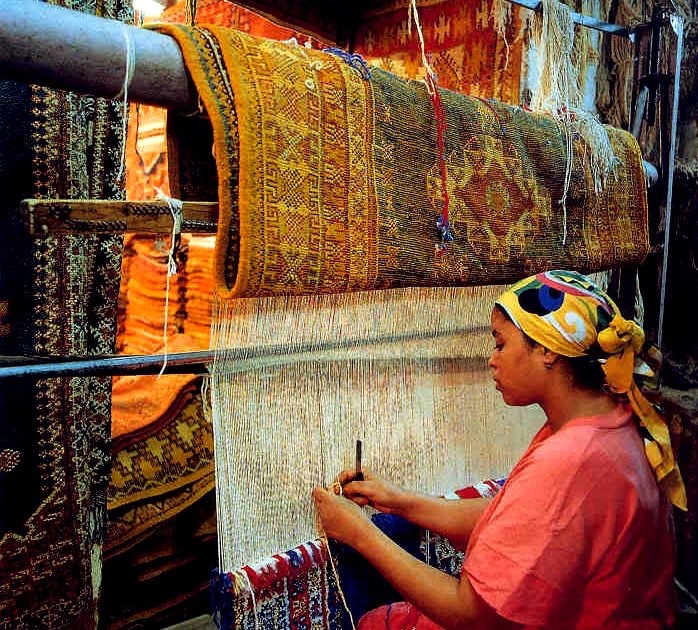
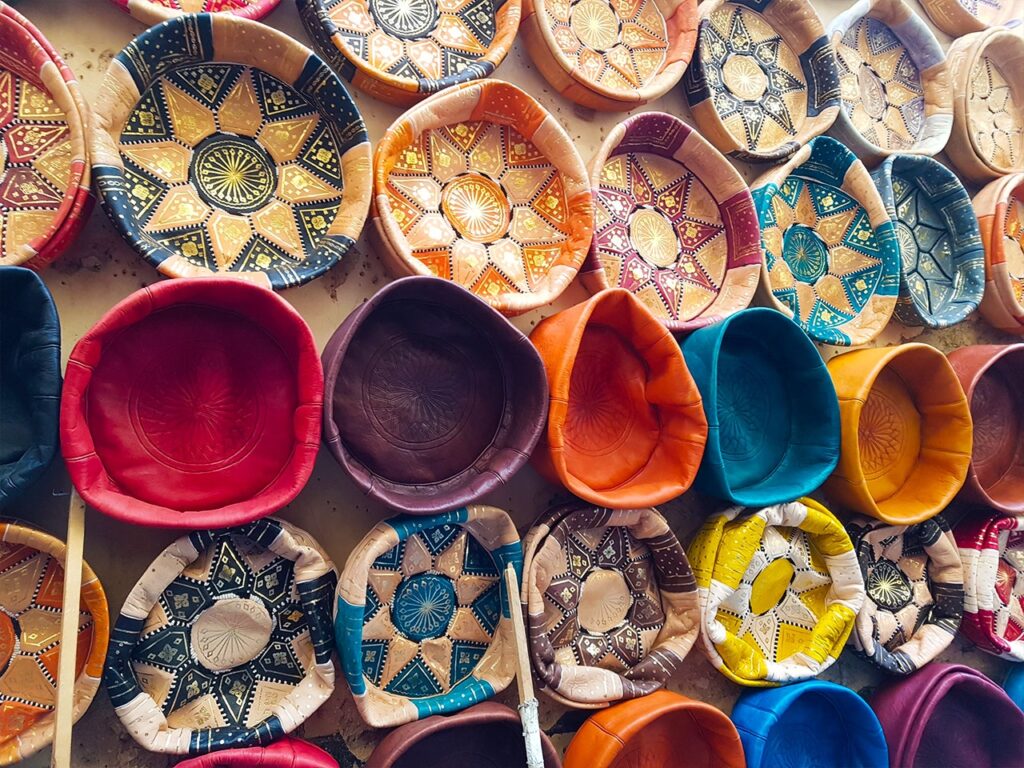
Many Moroccan crafts were never built around measurement in the way industrial objects are.
In workshops and homes, artisans often work:
- without rulers or templates
- without identical patterns to replicate
- without the expectation of precise repetition.
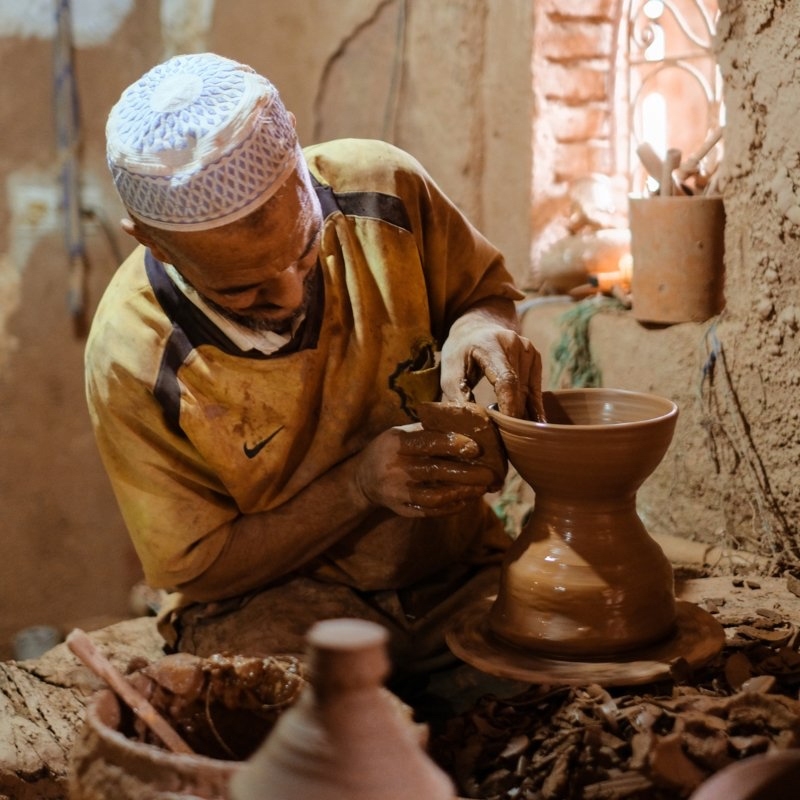
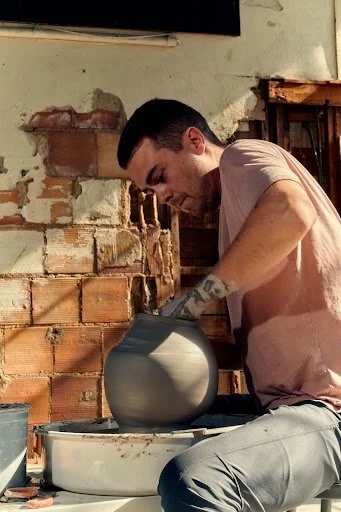
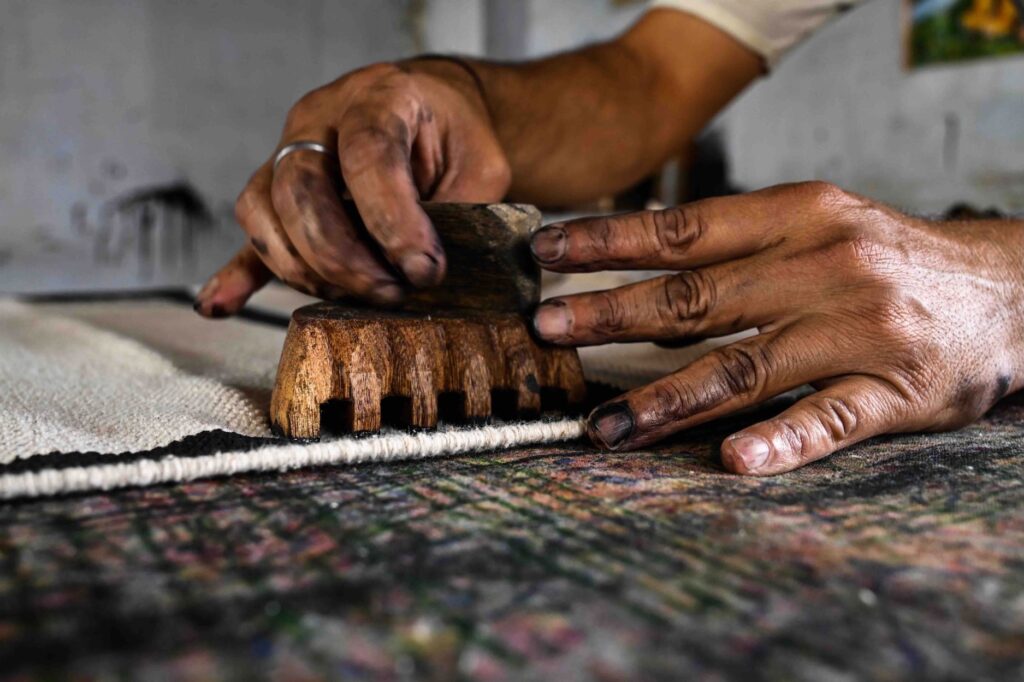
Skills are passed through observation and rhythm, not schematics. Patterns are remembered, adjusted, and interpreted rather than copied.
The goal isn’t uniformity.
The goal is function, balance, and continuity.
Perfection—at least in the industrial sense—was never part of the brief.
What “Imperfection” Actually Looks Like in Real Craft
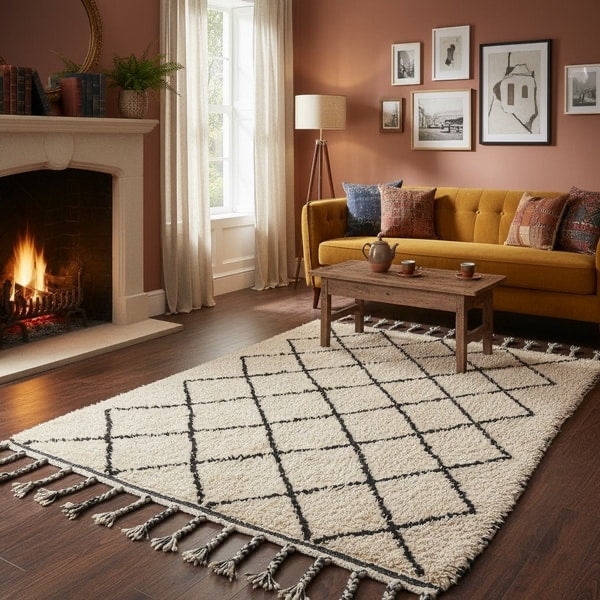
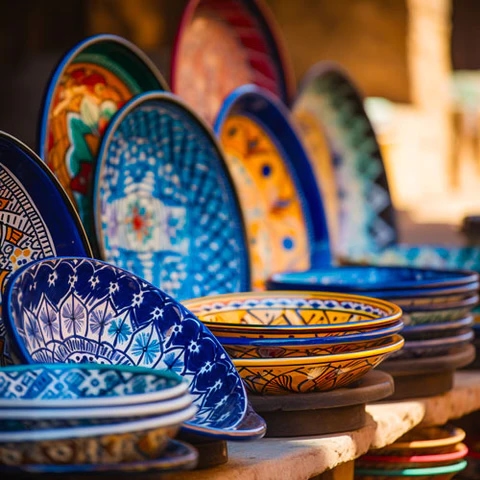
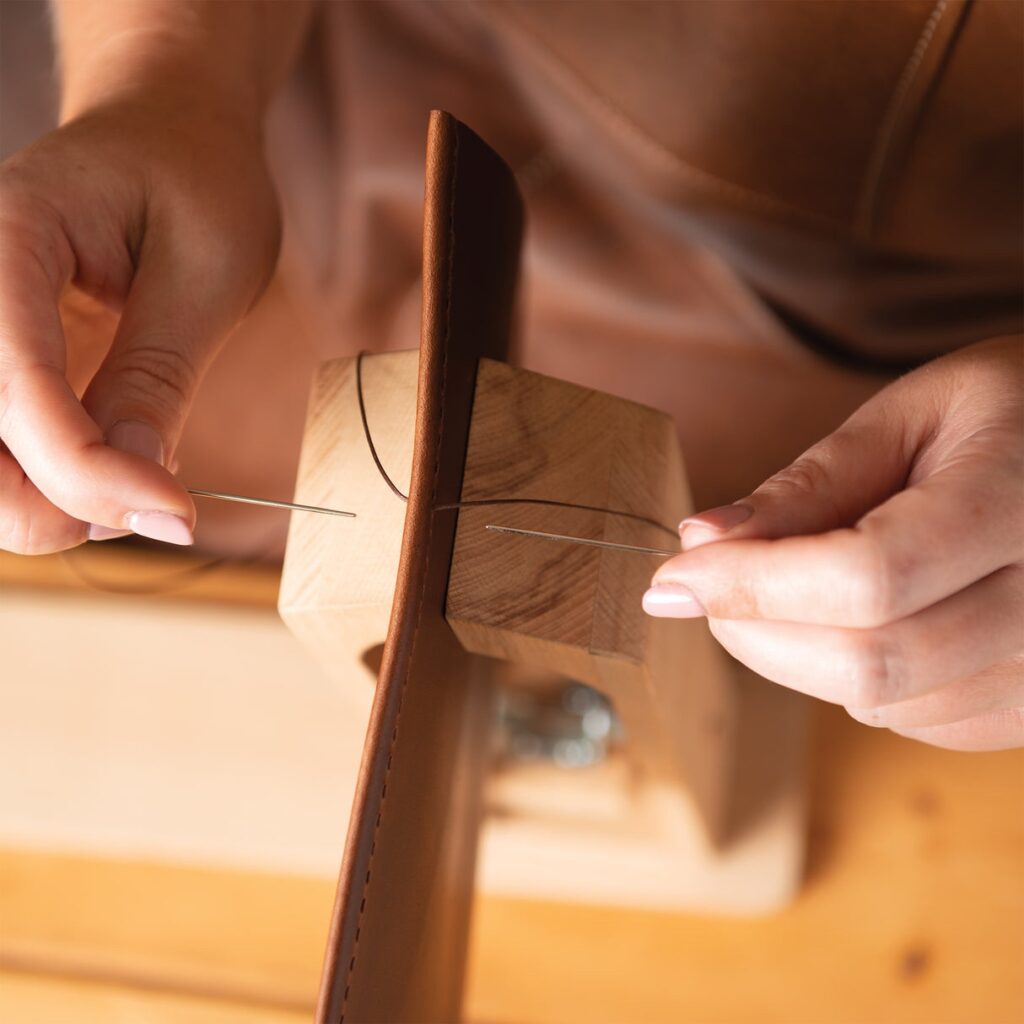
Imperfection in Moroccan handmade objects tends to show up in very specific, repeatable ways.
You might see:
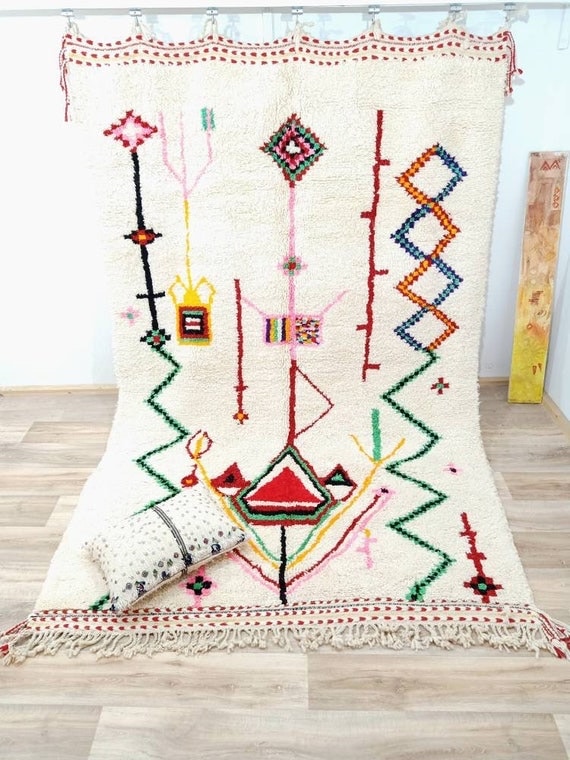
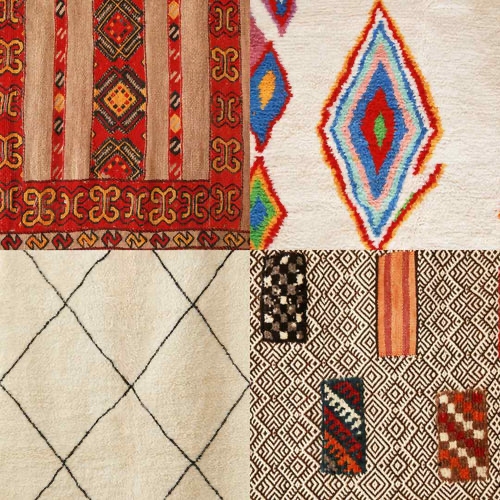
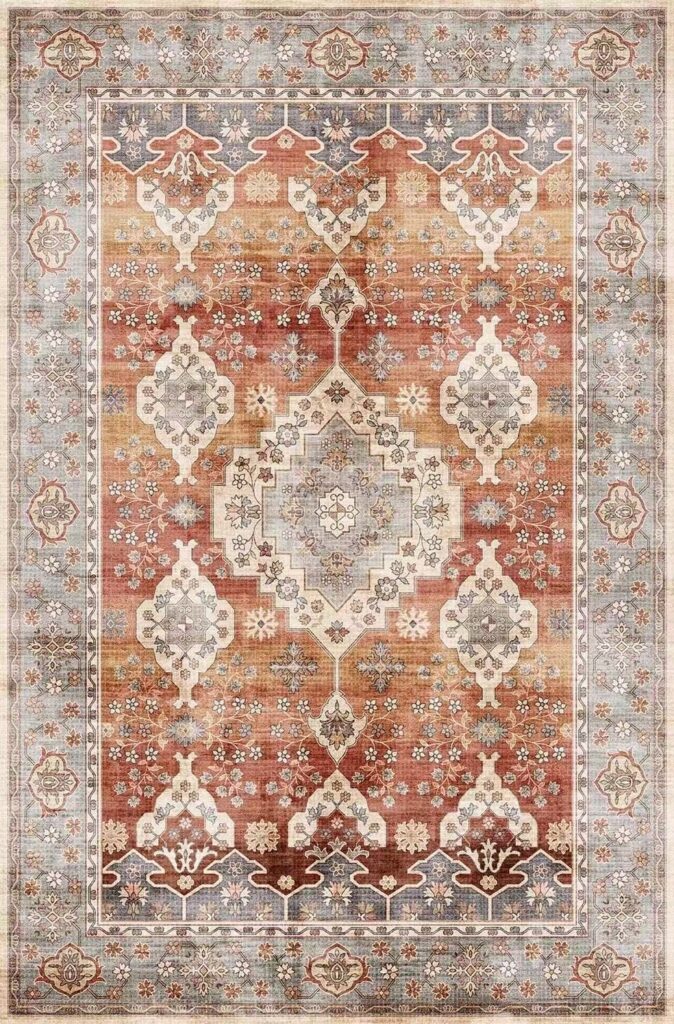
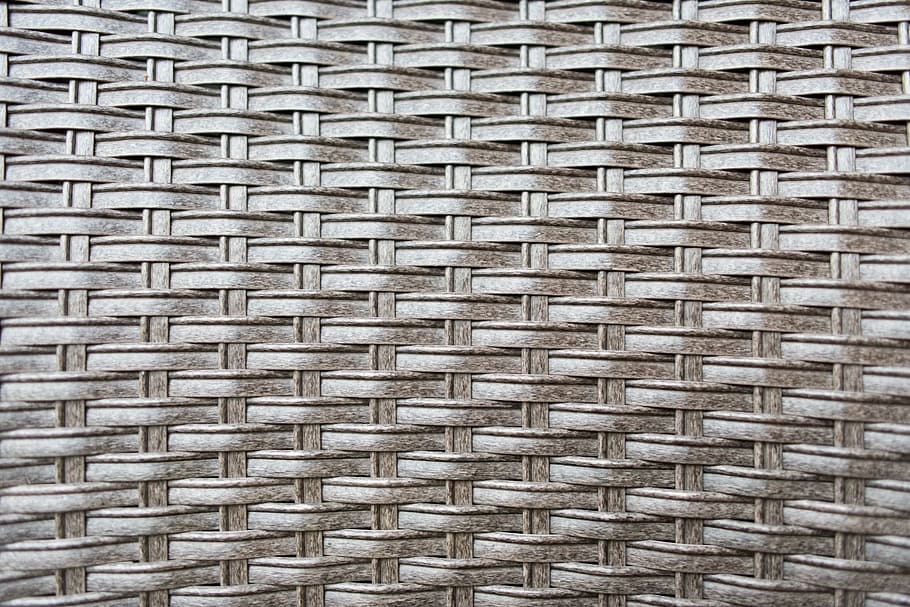
- weaving that drifts slightly over distance
- patterns that tighten or loosen subtly
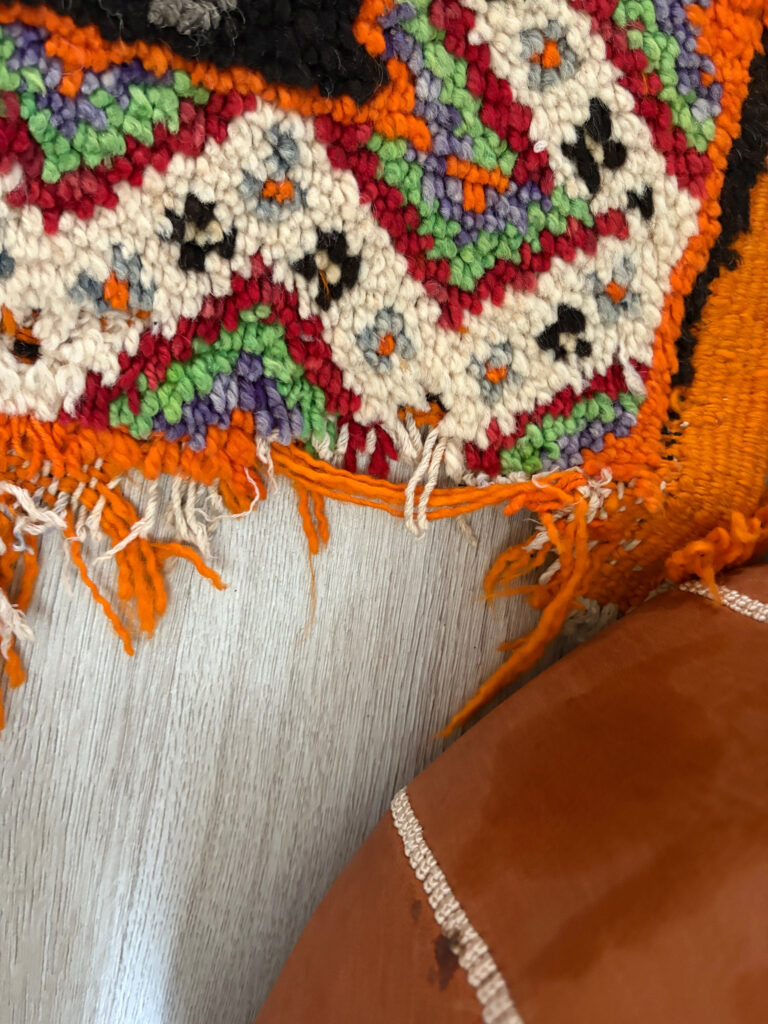
- stitching that reflects hand tension rather than machine precision
- edges that aren’t mirror images
These are not random accidents. They’re the visible trace of a person working with material, adjusting as they go.
When you handle several authentic pieces side by side, these variations don’t feel chaotic. They feel alive.
Mistake vs. Expression: Where the Line Actually Is
This is the part many articles avoid—but it matters.
Not every irregularity is meaningful. Moroccan artisans know the difference between:
- expressive variation
- and careless execution
A mistake usually looks abrupt, unresolved, or structurally weak. An expression feels integrated—part of the whole.
Experience changes how you see this. When you’ve handled enough handmade objects, your eye starts recognizing intention. What once looked “wrong” begins to feel deliberate.
Imperfection isn’t an excuse. It’s a language.
What Machines Do Better—and Why That’s the Problem

Machines excel at one thing: repetition.
They produce:
- perfect symmetry
- identical finishes
- predictable outcomes
That precision can be impressive—but it also removes the possibility of interpretation.
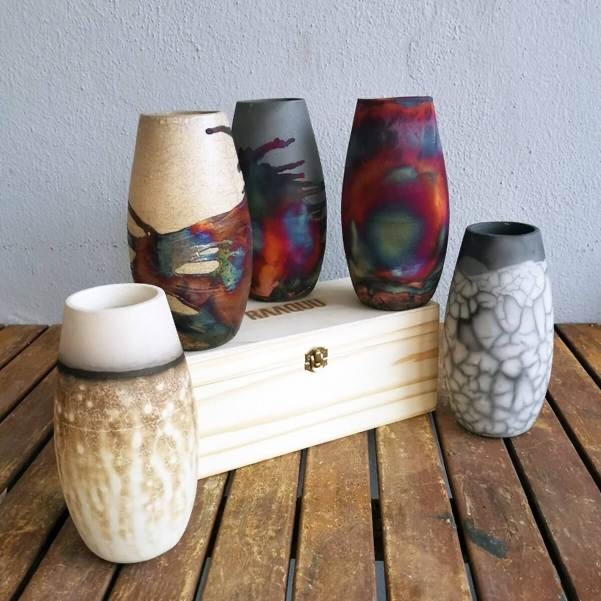
Ironically, many mass-produced objects are now designed to look imperfect. Artificial variation is added to mimic handwork. The result is often something that looks handmade at a glance but feels strangely empty when examined closely.
Too much perfection can be its own warning sign.
Why Buyers Often Reject the Most Authentic Pieces

I’ve seen this happen repeatedly.
A buyer gravitates toward an object—then hesitates when they notice something irregular. They pass on it, choosing a cleaner, more symmetrical alternative that feels safer.
What’s being rejected isn’t poor quality. It’s uncertainty.
Industrial design has trained us to distrust variation. But in Moroccan craft, variation is often where the story lives.
How to Look at Moroccan Craft With a Human Lens
Instead of asking, “Is this perfect?”, try asking:
- Does this feel structurally sound?
- Does the variation repeat naturally?
- Does the material behave as expected?
- Does it feel intentional rather than rushed?
When you shift your questions, your confidence grows.
You stop evaluating craft like a product—and start reading it like a process.
Imperfection as Memory, Not Defect
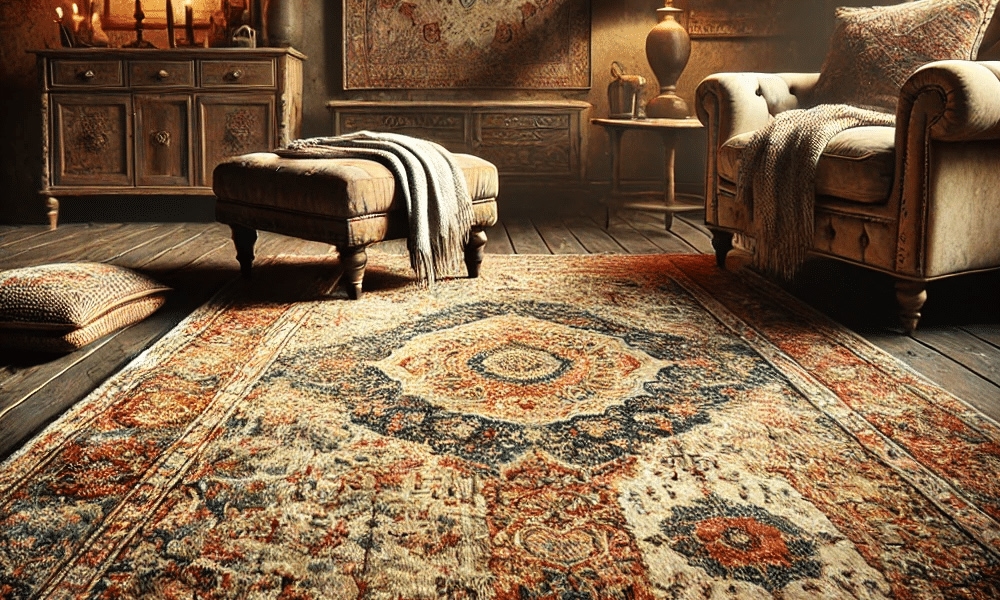
Over time, handmade objects don’t just age—they accumulate memory.
A woven rug softens where people walk.
Leather darkens where hands touch.
Wood develops subtle changes in tone.
These changes don’t erase the object’s value. They deepen it.
That’s the quiet reward of choosing something made by people, not systems.
Final Thought—Choosing Objects Made by People, Not Systems
Moroccan handmade craft asks something of the buyer: patience, curiosity, and trust in the human hand.
Imperfection isn’t a compromise.
It’s evidence.
When you stop expecting handmade objects to behave like factory ones, you don’t lower your standards—you change them.
And once you do, it becomes much harder to mistake something merely perfect-looking for something truly well made.