Don’t Get Fooled: How to Buy a Real Moroccan Rug and Know Exactly What It Should Cost
Moroccan rugs are more than décor. They are stories woven in wool — expressions of culture, memory, and human craft. For many U.S. buyers, the dream of owning a real Moroccan rug is exciting… until the confusion begins. Prices range wildly, every shop claims “authentic,” and it’s hard to know who to trust.
This guide will walk you through everything you need to know — how to identify a real Moroccan rug, where to buy it (online or in-person), and what a fair price actually looks like — so you can shop with confidence instead of fear.
What Makes a Rug Truly “Authentic”?
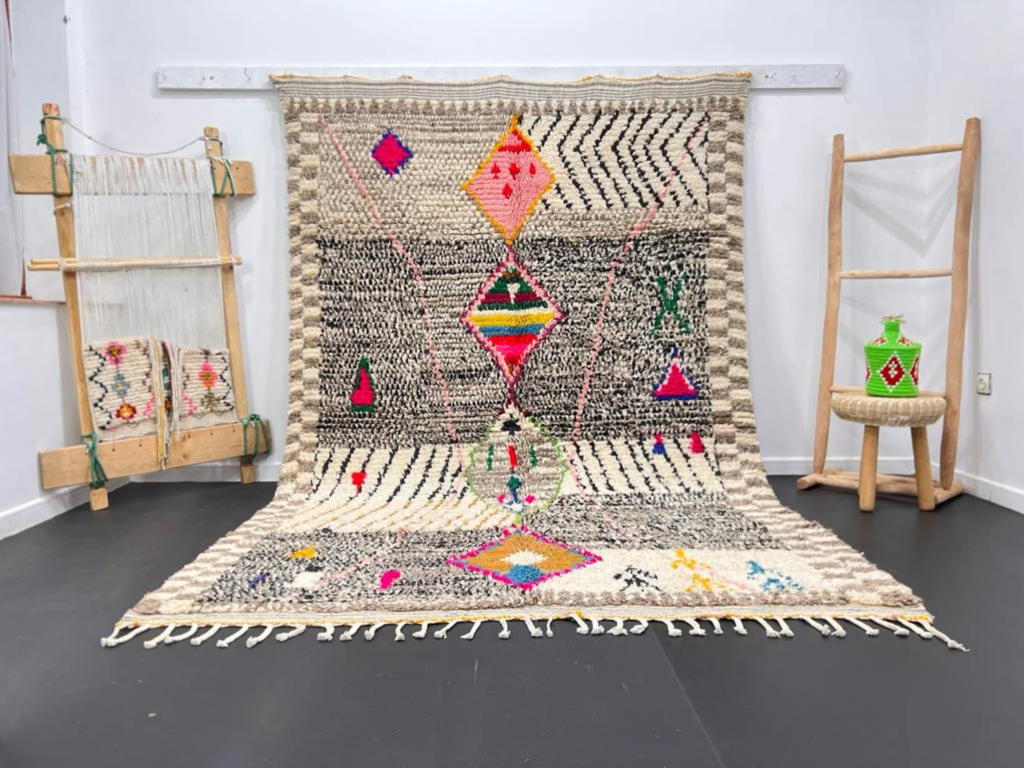
A real Moroccan rug is:
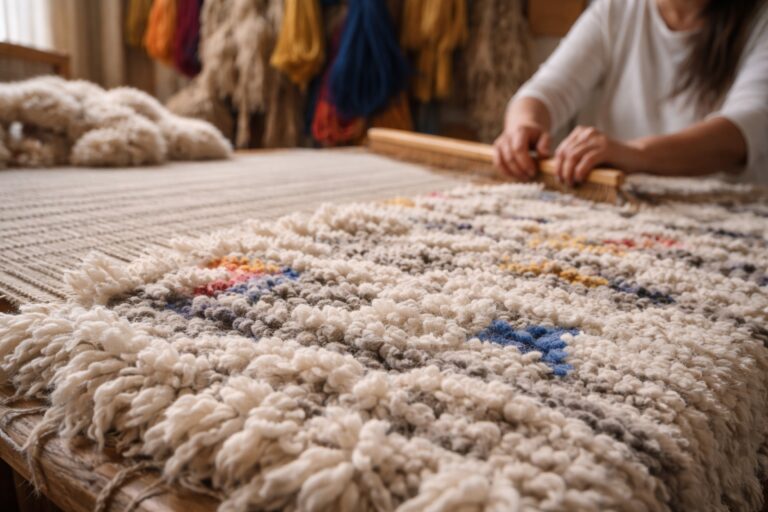
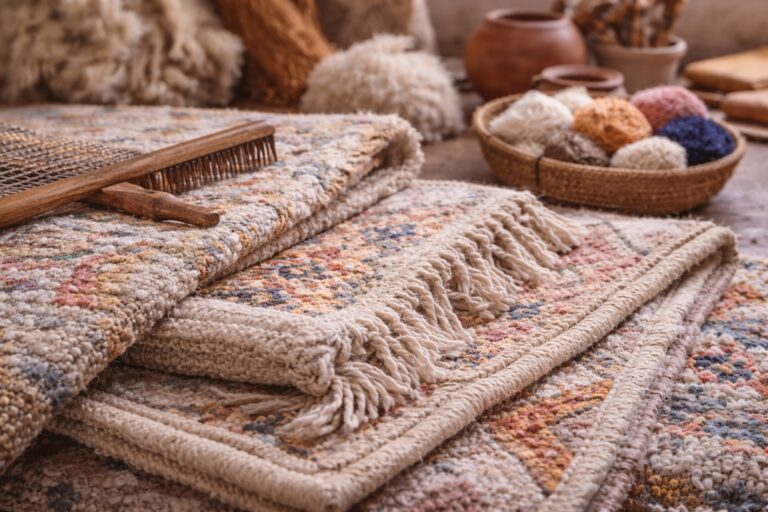
- Handwoven, knot by knot, on a traditional loom
- Made from natural wool — most often sheep wool, sometimes camel — gathered, cleaned, and spun locally
- Crafted by artisans, many of them Amazigh (Berber) women continuing generational techniques
- Truly one-of-a-kind — no two handmade rugs will ever be identical in pattern, texture, or story
Signs of authenticity:
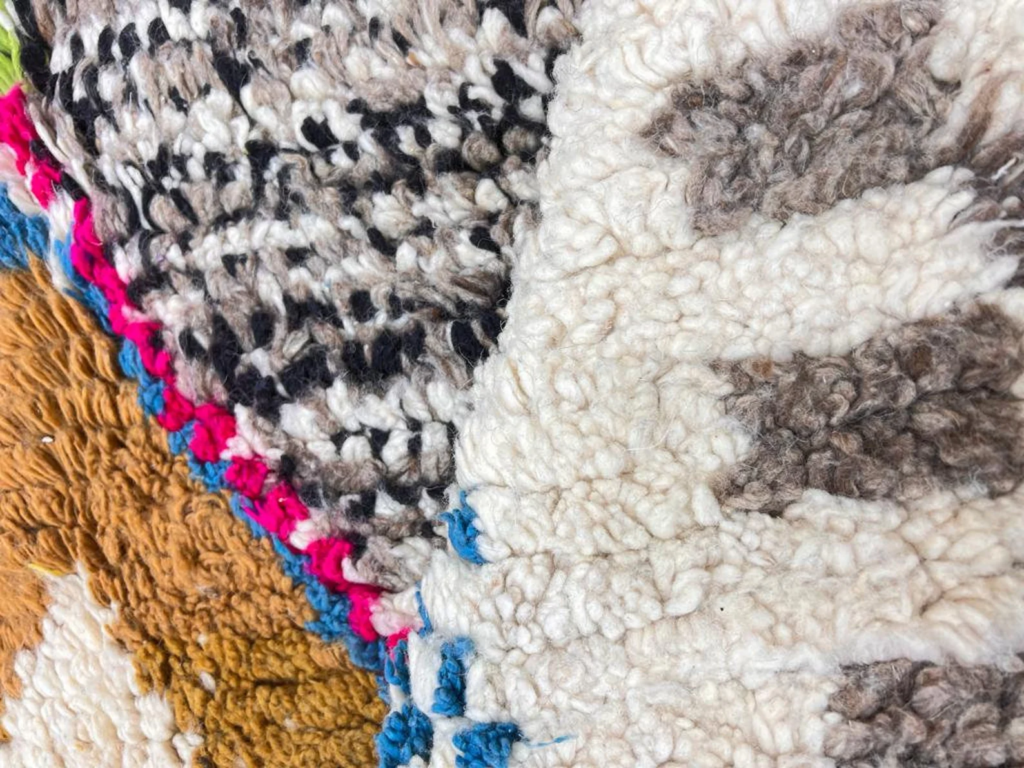
- The back of the rug should clearly show uneven knots and a visible structure
- Edges are imperfect, slightly irregular
- Wool may have a natural smell and soft, plush texture
- Colors come from natural dyes or soft synthetic dyes, never neon or plastic-shiny
Fake rugs are usually:
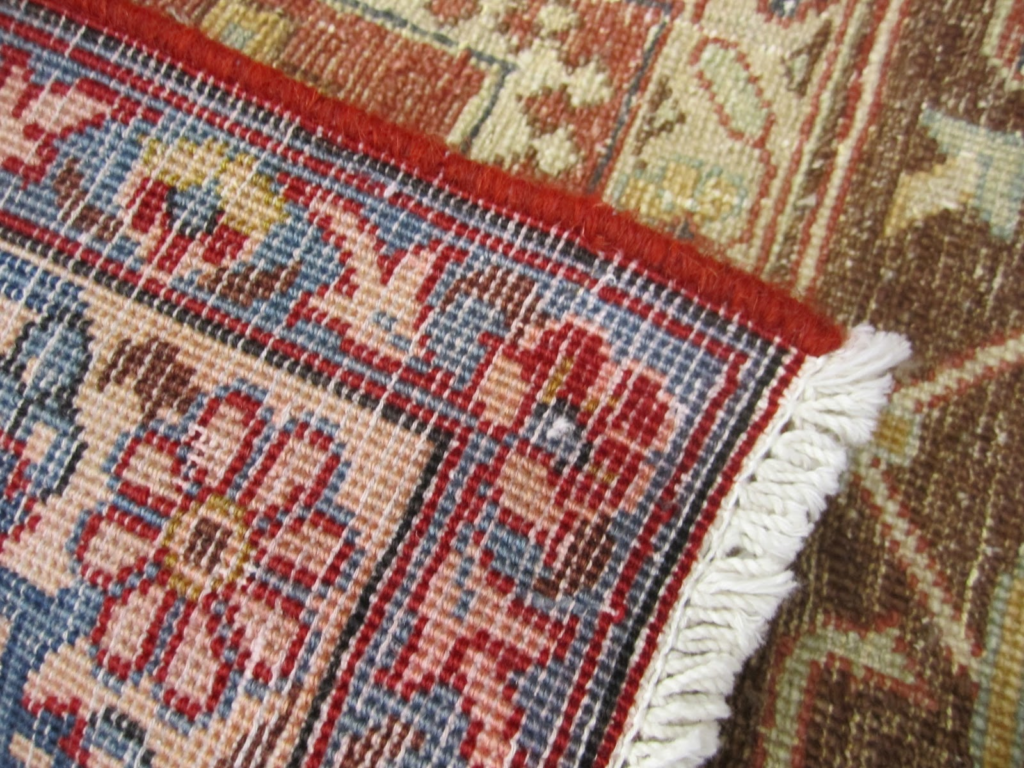
- Machine-made on industrial looms
- Synthetic fibers such as polyester, viscose, or acrylic
- Printed or stamped patterns instead of real pile and knots
- Perfectly uniform and very cheap, often lacking any natural variation or texture
Types of Moroccan Rugs (and What They Look Like)
Understanding names helps you shop smarter:
| Rug Type | Style | Typical Colors | Feel |
|---|---|---|---|
| Beni Ourain | Minimalist diamonds | Cream + black | Soft, thick, cozy |
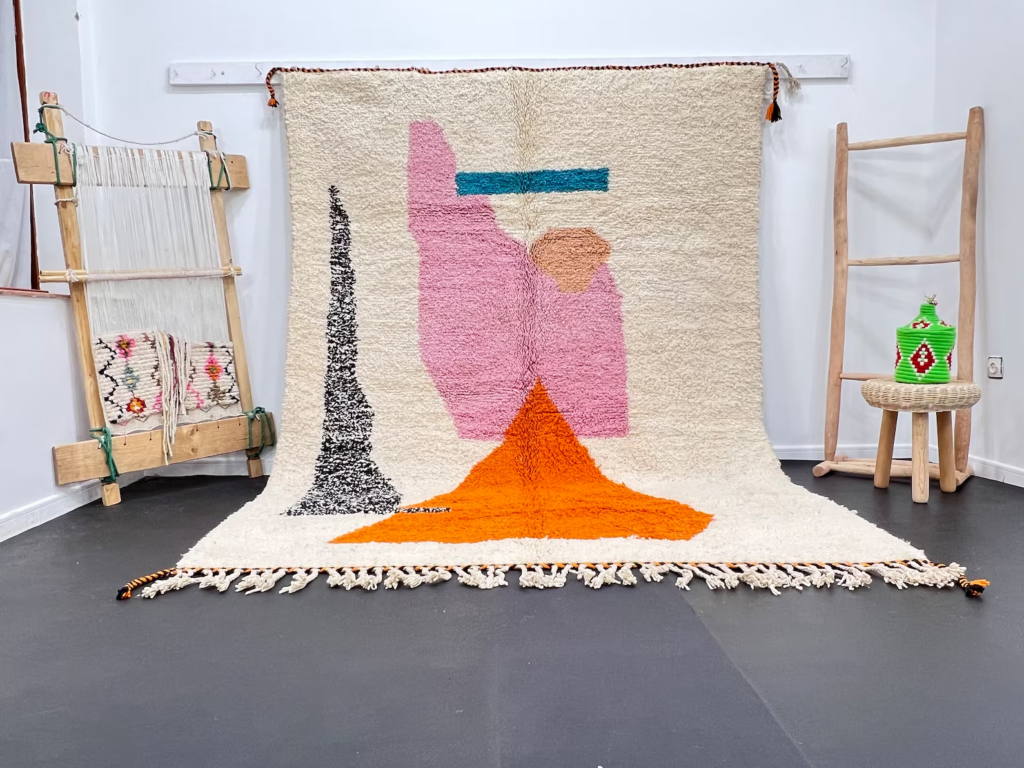
| Boujad | Vintage, abstract | Pinks, reds, orange | Medium pile, artistic |
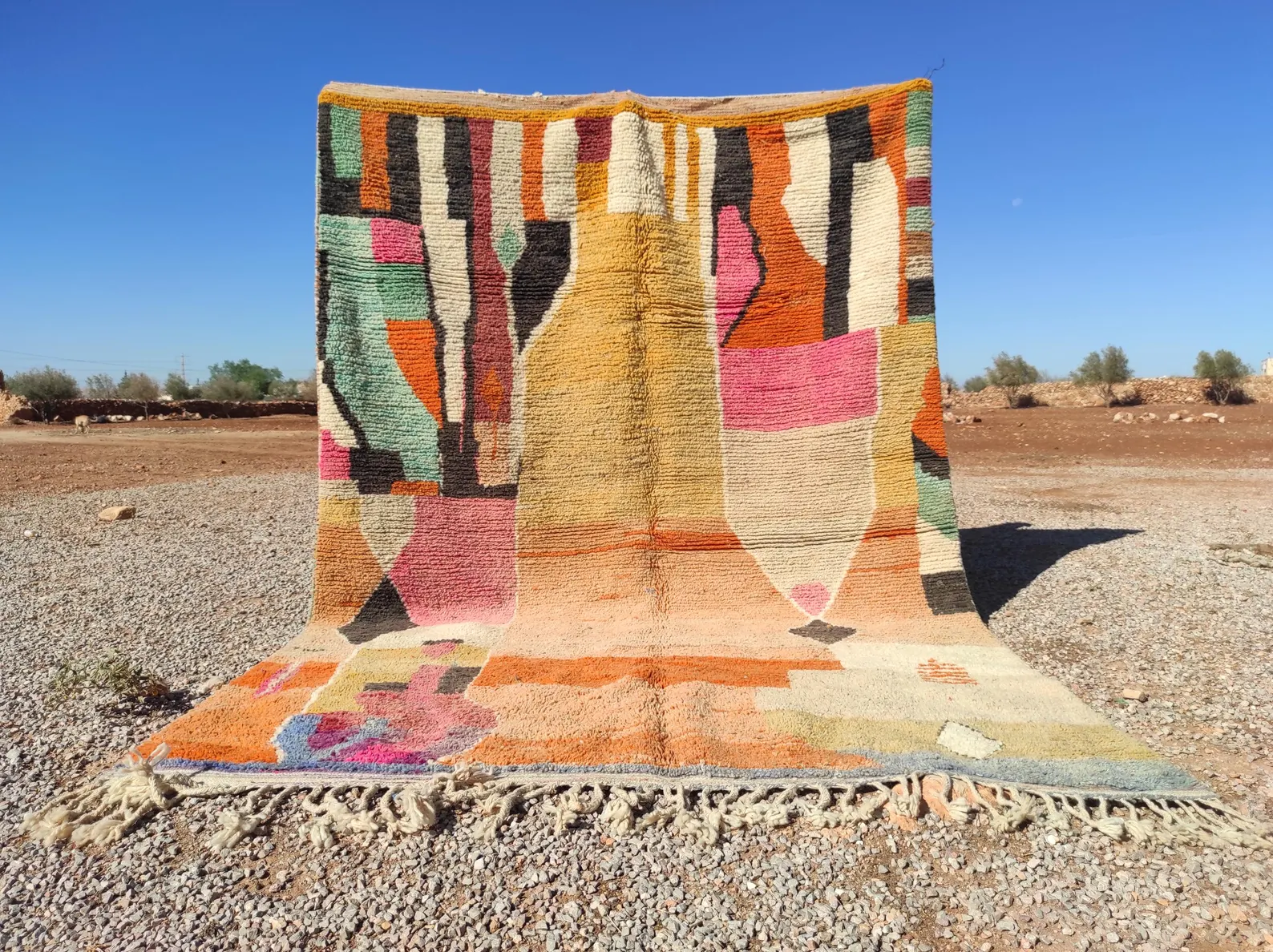
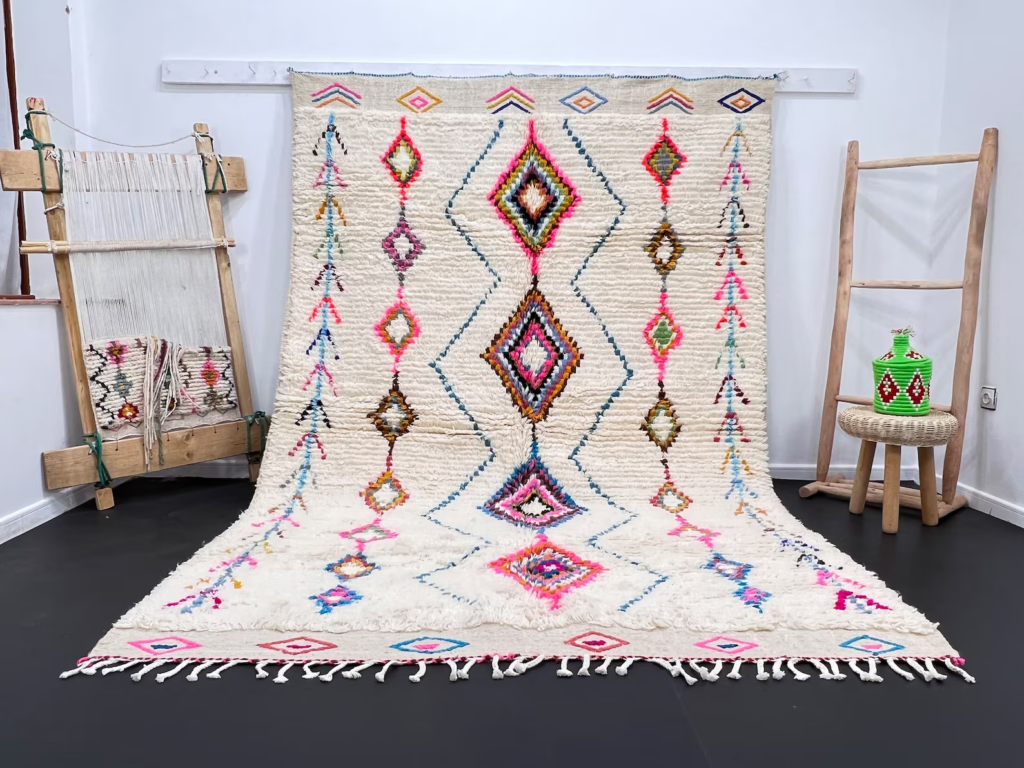
| Azilal | Playful, modern | White base + colorful shapes | Light / shag feel |
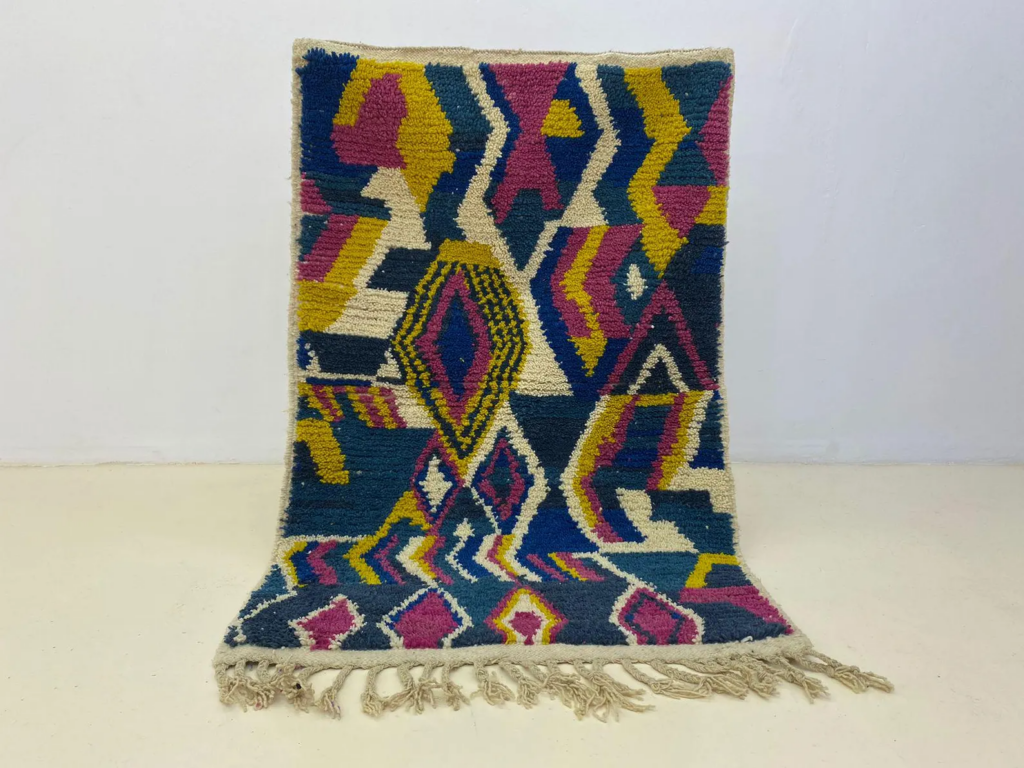
| Boucherouite | Upcycled fabric rugs | Mixed colors | Flatwoven, boho texture |
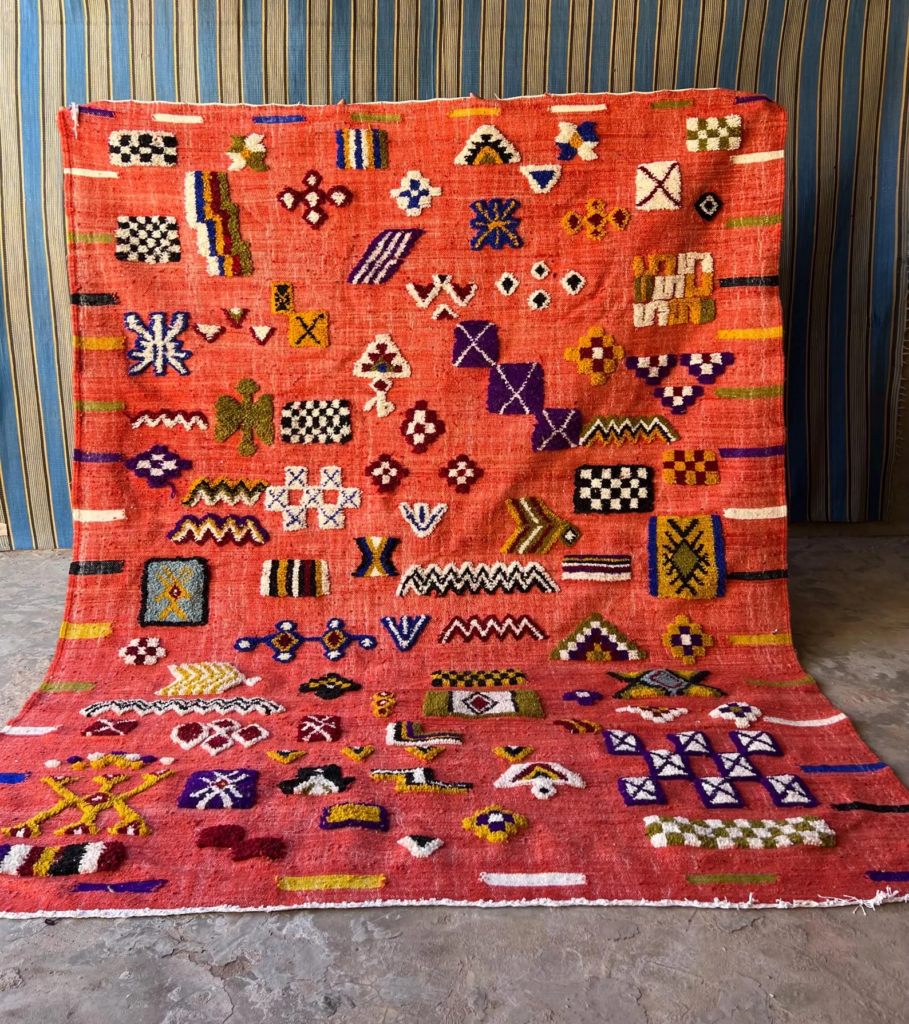
| Kilim | Flatwoven tribal | Geometric patterns | Thin and durable |
Bellow are examples of authentic rugs by region
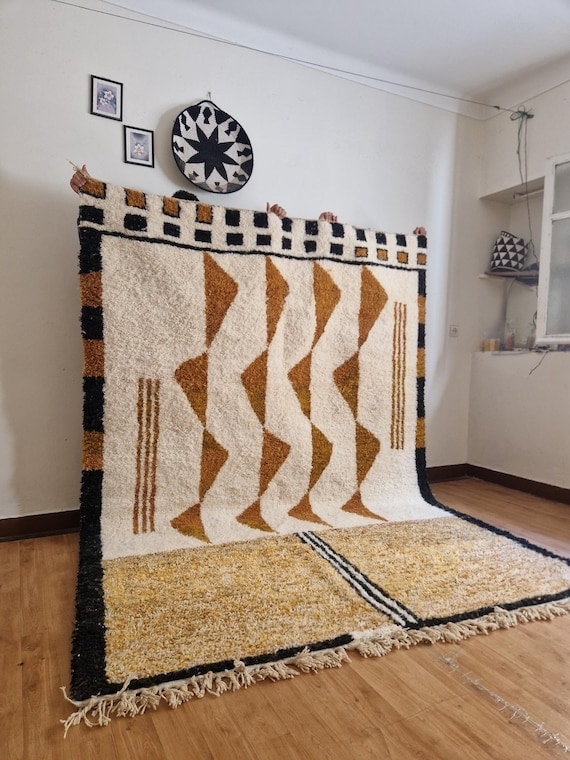
Beni Ourain Rug :
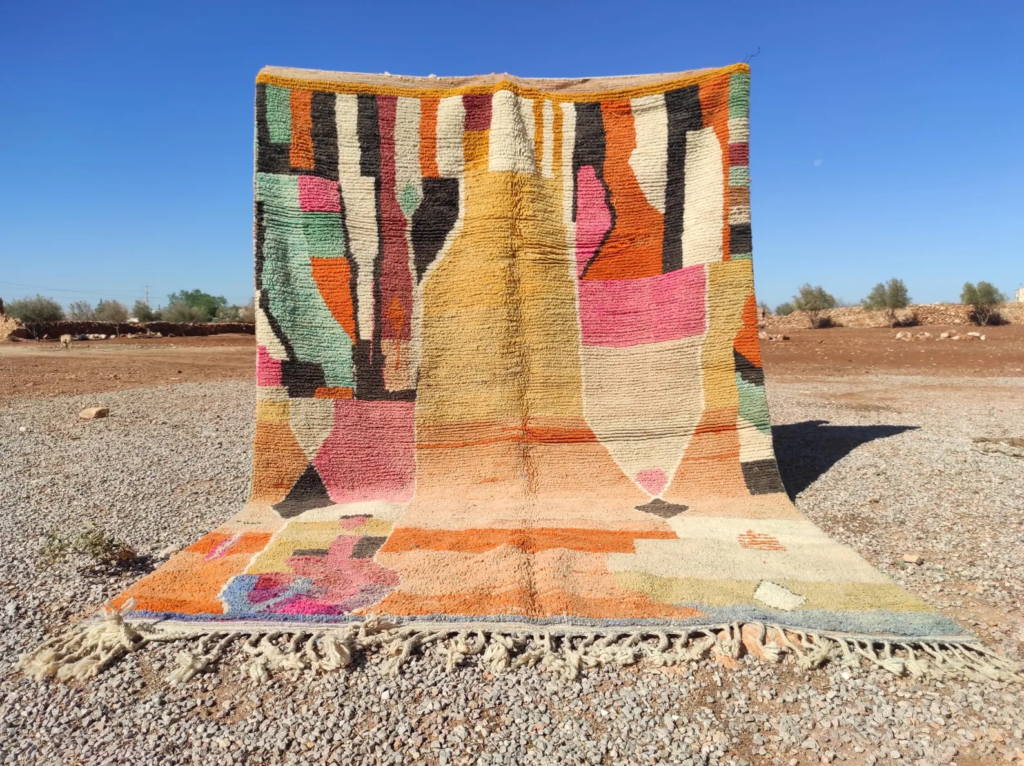
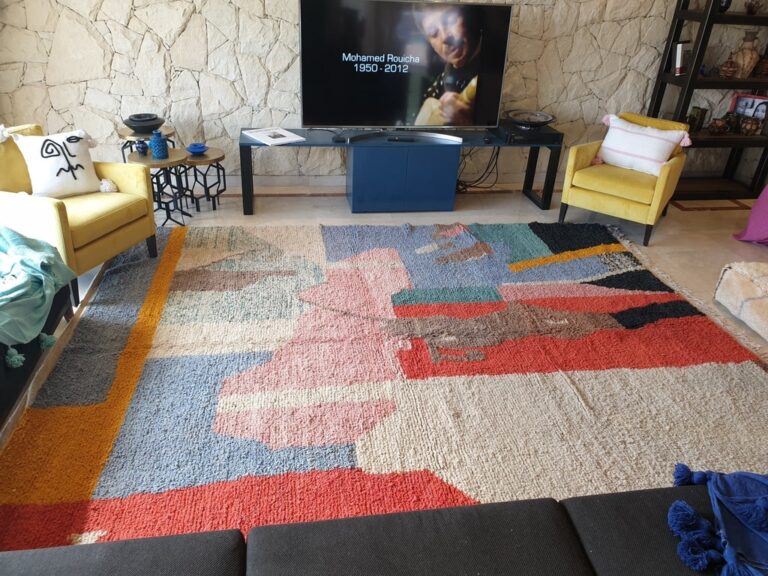
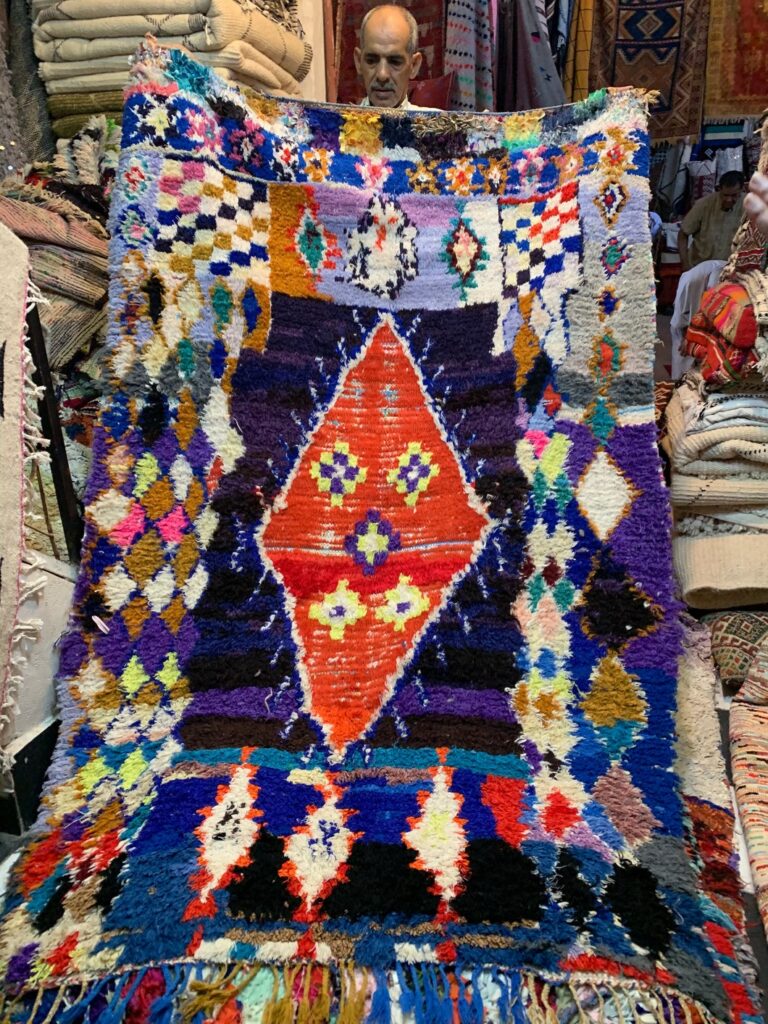
Boujad Rug
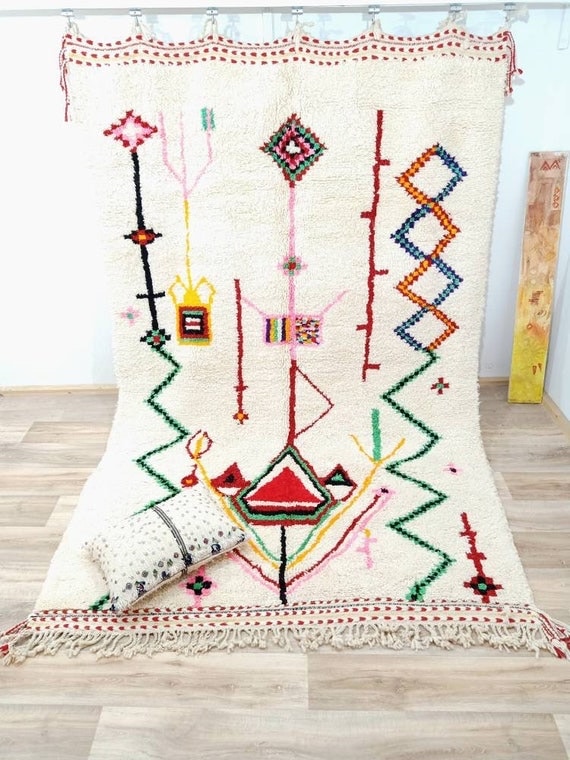
Azilal Rug :
Boucherouite Rug
Kilim Rug
Where to Buy Authentic Moroccan Rugs
You have three primary choices: in Morocco, from trusted U.S. sellers, or direct from Moroccan artisans online.
1. Buying in Morocco (If You Travel)
Most popular cities:
1. Marrakech
Here are some trusted places to shop for authentic rugs in Marrakech :
Les Nomades De Marrakech ★ 4,8
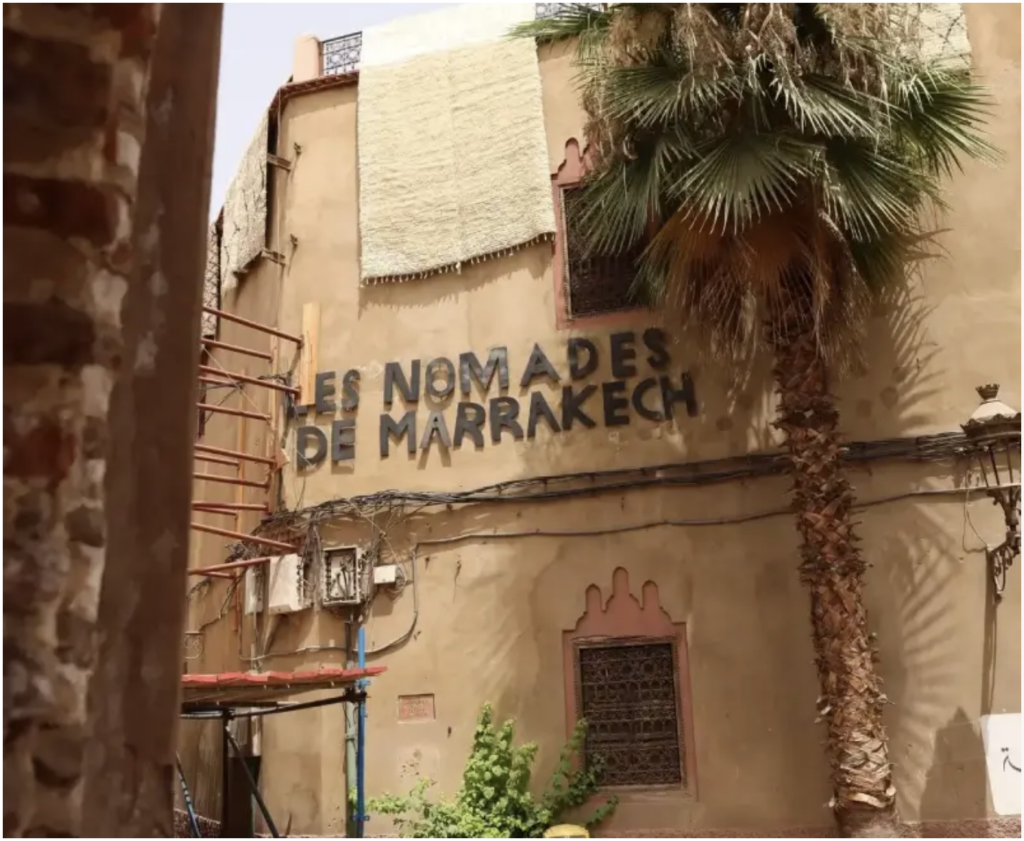
A longstanding, highly rated rug store in the heart of the medina known for expertly crafted Moroccan carpets and textiles. Les Nomades has a strong reputation for quality, natural materials, and traditional weaving techniques, and is widely recommended by travelers and interior designers alike.
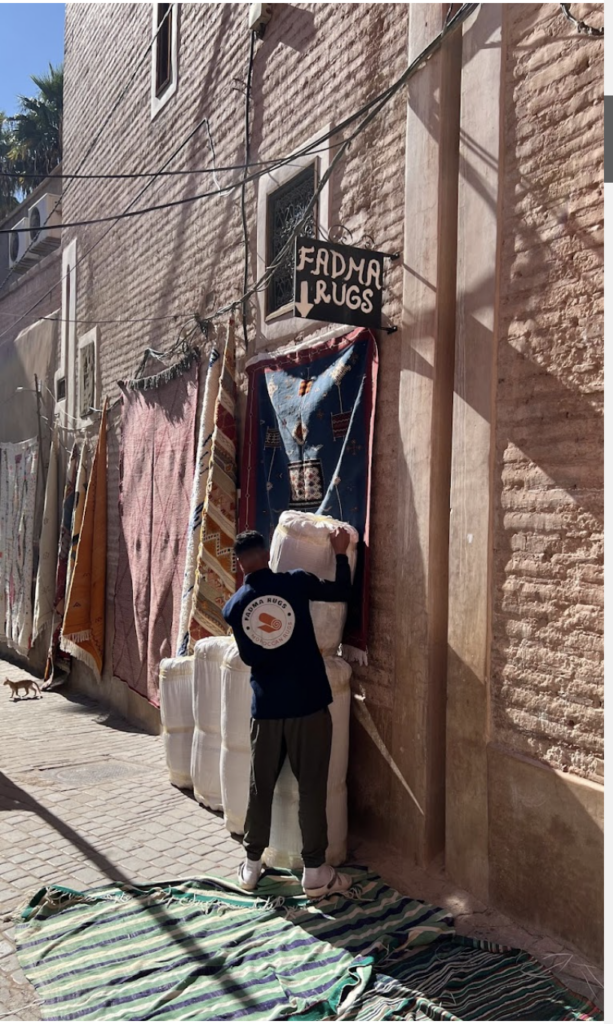
This boutique rug shop boasts perfect review scores and many glowing testimonials from visitors. It’s known for its selection of authentic handwoven rugs, friendly service, and quality pieces — a reliable choice when shopping in the Medina.
Lahandira the best moroccan rugs in Marrakech ★ 4,9
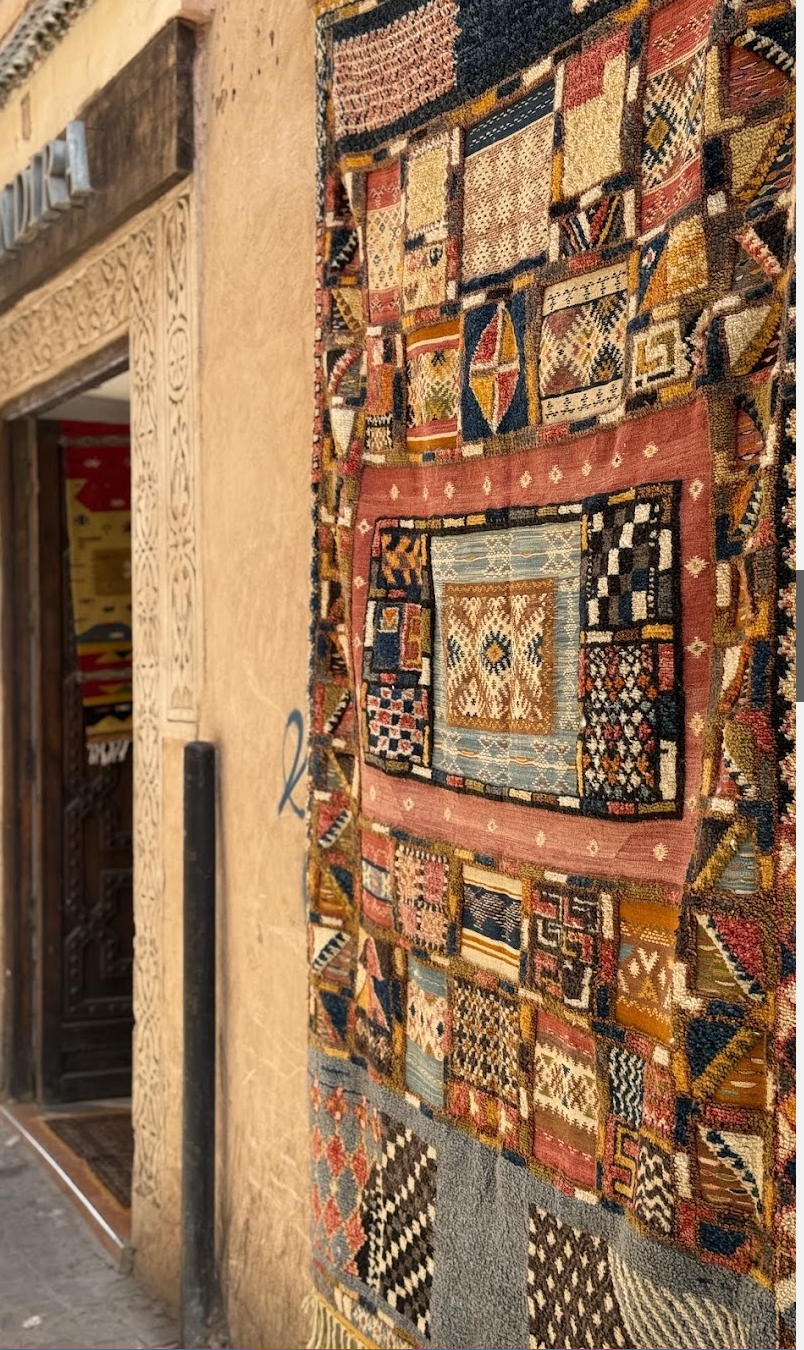
Lahandira is well reviewed for its curated assortment of traditional and contemporary Moroccan rugs, including Beni Ourain and artisanal custom pieces. Locals and tourists praise both the quality of the rugs and the knowledgeable staff.
BAZAR SALAMA Berber Rugs ★ 4,8
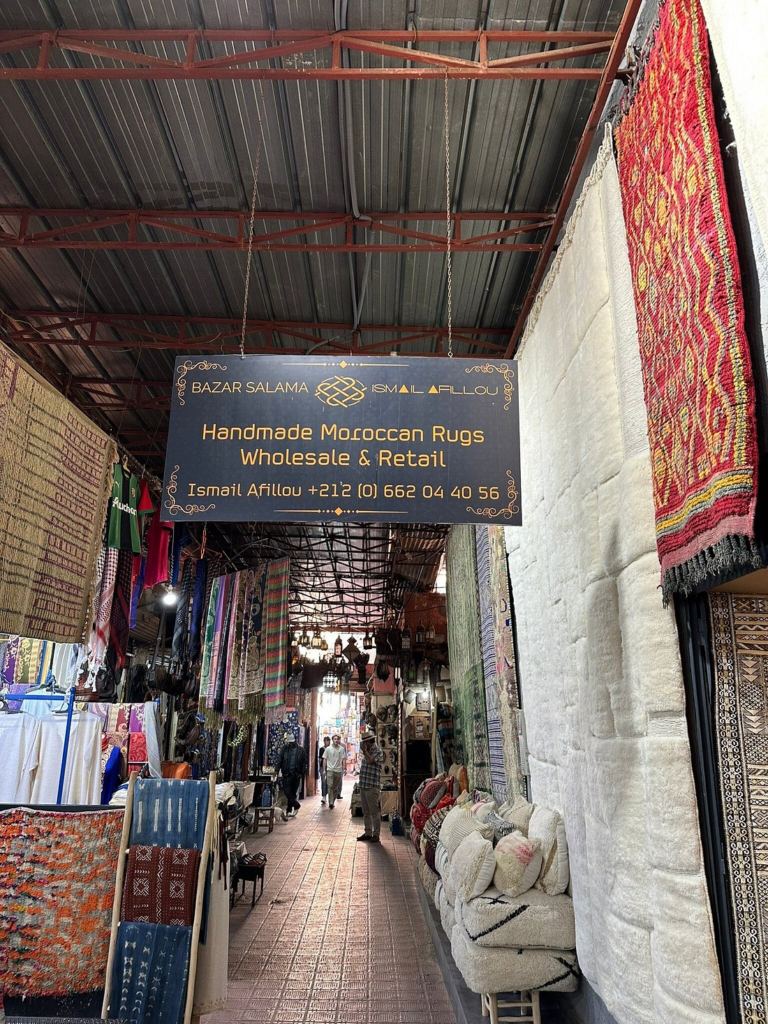
Located in the vibrant Rahba El Kadima area, this shop offers a great selection of Berber rugs with strong customer feedback. It’s a good stop if you’re wandering the souks and want a mix of styles and price points in one place.
La Porte D’or – Moroccan Rug Store – Since 1970 ★ 4,6
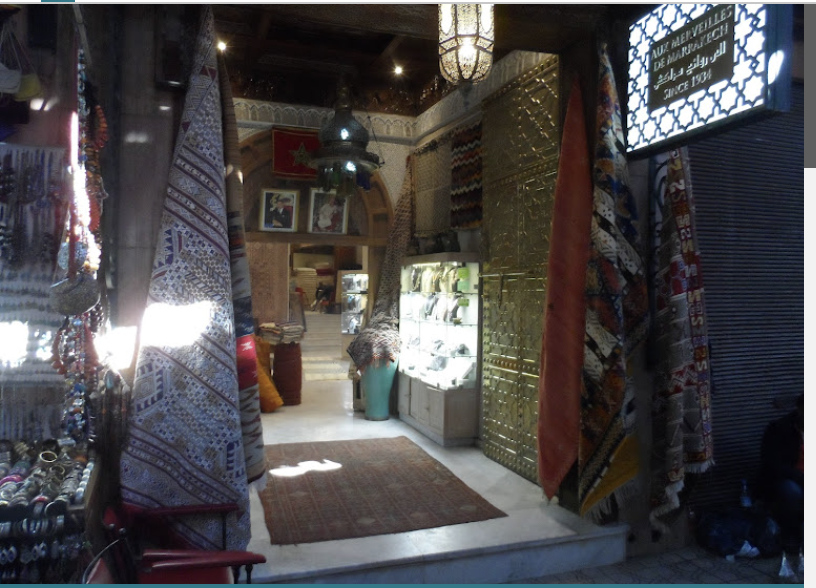
A classic Marrakech rug destination with decades of history, La Porte D’or remains a favourite for many visitors seeking traditional carpets. Its large inventory and longstanding reputation make it a solid choice in the Souk Semmarine area.
2. Fes
Here are some trusted places to shop for authentic rugs in Fes:
Coin Berbere Carpets & Antiques ★ 4,8
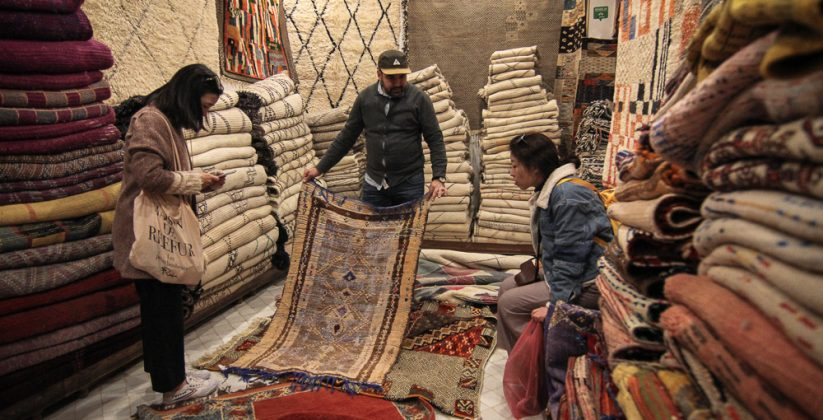
A long-established family-run shop in the heart of the Fes Medina, known for a wide selection of handmade rugs and antiques. It’s one of the city’s most recommended rug stores with decades of reputation for authentic pieces and knowledgeable service.
Maze of fez Moroccan Rugs ★ 4,9
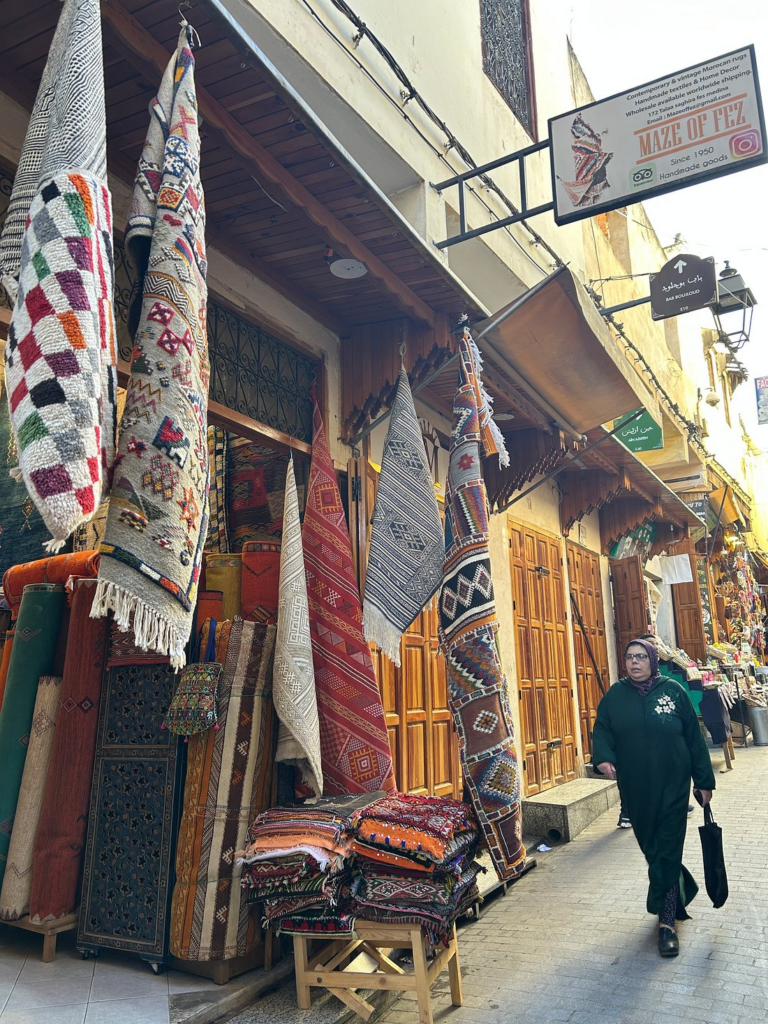
Popular with visitors for its large collection and relaxed, no-pressure shopping experience. Rug buyers appreciate the patient service and range of modern and classic Moroccan rugs, and the opportunity to compare different styles.
iFilan Carpets Gallery & Store ★ 5,0
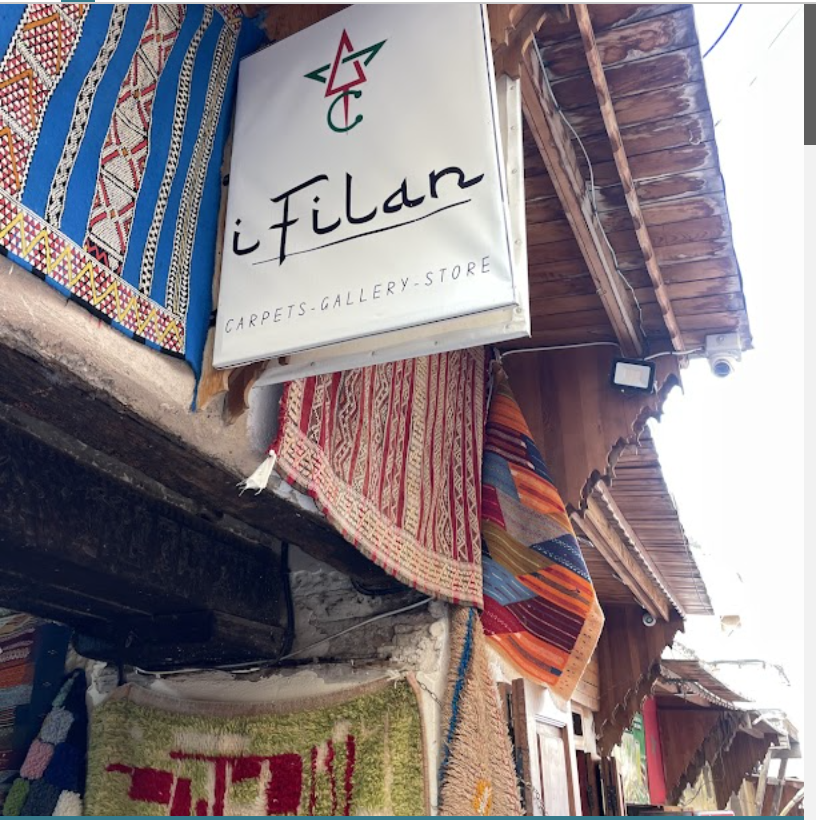
Highly rated for handcrafted rugs and Berber textiles, this boutique on Talaa Kebira offers quality pieces in a central medina location — great for those who want both authenticity and style.
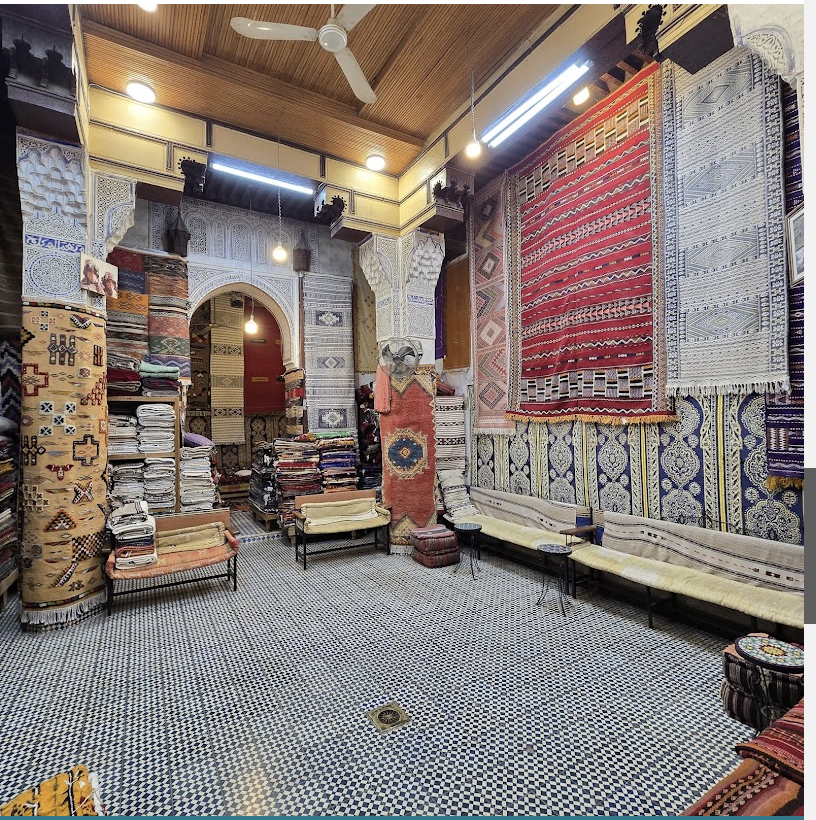
A smaller but very well-reviewed store in the Kissariat area of the medina, ideal if you’re exploring Fes on foot and want genuine artisanal rugs along with local crafts.
Known for handmade rugs and custom creations. This shop is slightly outside the very center but offers authentic, locally woven pieces and the option to create a custom rug if you want something unique.
3. Taznakht region
Here are some trusted places to shop for authentic rugs in Taznakht region:
Coopérative Tapis Bérbères Tazenakht ★ 4,7
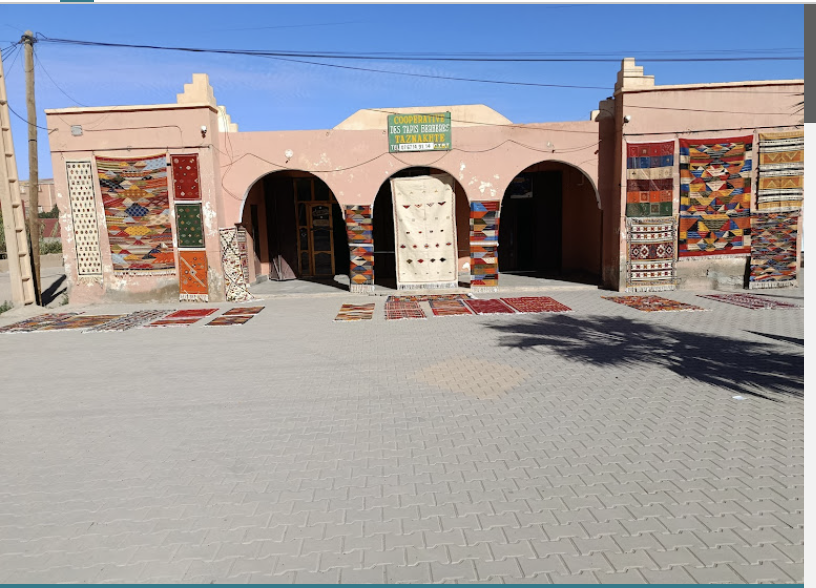
One of the most respected rug sources in Taznakht, this cooperative works with local Berber weavers and offers a variety of authentic hand-made carpet styles. Because cooperatives often sell directly from the artisans, you’re more likely to get true craftwork and support the local weaving community.
Local Taznakht carpets are known for their distinctive earthy tones and tribal patterns, handcrafted entirely from wool by Amazigh women artisans.
TazRugs taznakhte
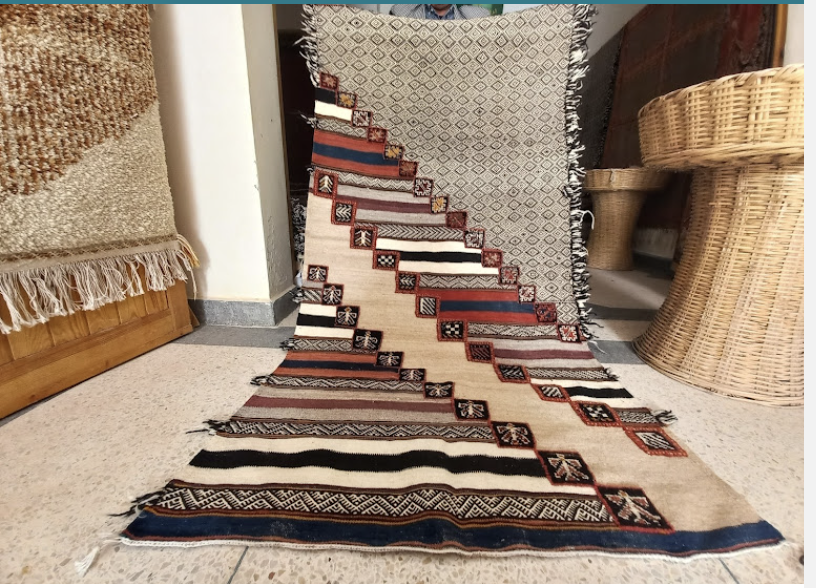
A locally based rug shop in Taznakht offering a range of hand-woven Berber pieces that reflect traditional patterns and regional weaving techniques. Stores like this in Taznakht typically have a variety of sizes and designs, from smaller accent rugs to larger floor pieces.
How to shop there:
Buying a rug in Morocco is an experience — take your time, ask questions, and enjoy the process.
- Expect to negotiate — bargaining is cultural. Sellers often start high; negotiating respectfully is normal and expected.
- Inspect the rug’s back and wool softness. The back reveals whether the rug is hand-knotted, and the feel of the wool tells you about quality.
- Ask who made it and which village it comes from. Authentic pieces have a story and a maker — knowing this helps ensure you’re buying real craft, not factory stock.
- Request the shipping quote before agreeing. Many shops can ship directly to the U.S., but clarify cost, delivery time, and packaging before finalizing your price.
Typical in-Morocco pricing:
| Category | Min Price | Max Price |
|---|---|---|
| Small rug | $70 | $150 |
| Medium rug | $150 | $350 |
| Large Beni Ourain | $400 | $700 |
Shipping to the U.S. may add $70–$200
2. Buying From a Trusted U.S. Seller
Buy in the U.S. if you want:
Purchasing from a U.S.-based seller is ideal when you value convenience and peace of mind. You get fast domestic shipping, the ability to make easy returns if the rug doesn’t match your space, secure payment options like credit cards or PayPal, and customer service you can actually reach if something goes wrong.
What to look for in a U.S. seller:
Not all shops offer the same level of transparency. Choose sellers who show photos of the back of the rug so you can confirm it’s handwoven, provide a clear and fair return policy, list details about materials and origin, and use real, unedited photos instead of stylized or filtered imagery. These signs usually mean the seller values authenticity and stands behind what they sell.
Expected prices in U.S. shops:
| Category | Min Price | Max Price |
|---|---|---|
| Small rugs | $120 | $350 |
| Medium | $350 | $800 |
| Large Beni Ourain | $900 | $2,000+ |
Why are U.S. prices higher?
When you buy from a U.S. shop, the cost includes more than just the rug itself. Importers pay international shipping, customs duties, and taxes before the rug ever reaches the store. Shops also cover overhead like rent, storage, photography, marketing, and staff. Add to that the risk of damaged or unsold inventory, plus the value of curation—hand-selecting rugs, ensuring quality, and offering customer support—and the final price naturally increases.
3. Buy Direct From Artisans Online
Buying directly from Moroccan artisans—through platforms like Etsy, Instagram, or cooperative websites—can offer some of the best prices and most meaningful purchases. You’re often supporting the weaver or her cooperative directly, without paying middle-man markups. However, you’ll need to do a bit more due-diligence since policies and protections vary.
Where to shop:
- Etsy shops with artisan-verified badges or long review histories
- Instagram sellers who show videos of weaving or rug sourcing
- Websites for women’s weaving collectives or fair-trade cooperatives
Before sending payment, ask:
- Is the rug handwoven or machine-made?
- Is it 100% wool or a wool blend?
- Can you send a photo of the back of the rug to verify weaving?
- What is the exact size in inches (U.S. buyers often misjudge cm)?
- What happens if the rug arrives damaged or delayed—is there a refund or replacement policy?
This option can give you amazing value and a direct connection to the maker, as long as you take a few extra steps to verify authenticity and protect your purchase.
Price range here is middle-ground:
| Category | Min Price | Max Price |
|---|---|---|
| Small | $80 | $200 |
| Medium | $200 | $450 |
| Large | $500 | $900 |
How to Avoid Scams
Unfortunately, fake “Moroccan rugs” are common online—especially on large marketplaces. These quick checks will help you avoid disappointment.
Major red flags:
- Anything labeled “Beni Ourain” under $100 — real handwoven wool rugs cannot be produced at that price
- Photos that look like stock images, AI-generated scenes, or duplicated backgrounds
- Sellers who refuse to show the back of the rug, which is the easiest way to confirm hand-knotting
Visual signs of a fake rug:
- Shiny or plastic-looking fibers
- Flat printed patterns instead of pile or knots
- Perfectly symmetrical lines or motifs — handwoven rugs are never flawless
If you see any of these signs, walk away. Real Moroccan rugs take time, skill, and wool — they will always look slightly imperfect, because they were made by hand.
What Size Rug Should You Buy?
Choosing the right size matters just as much as choosing the right rug. A high-quality piece can look cheap if it’s too small for the room. Aim for a size that anchors your furniture rather than floating in the middle of the floor.
General sizing rules:
- Living room: 8×10 minimum (ideally front legs of sofa and chairs on the rug)
- Bedroom: large enough so at least 5×8 of rug shows on both sides of the bed
- Entryway: 2×5 runner or a narrow accent rug to define the space
If you’re working with a tight budget:
Start with a runner in the hallway or kitchen, or layer a small Moroccan rug over a large, inexpensive neutral rug (like one from IKEA). Layering gives you Moroccan texture and pattern without needing to buy a full-room rug right away.
How to Care For Your Rug (So It Lasts)
A Moroccan rug can last decades when cared for properly — they’re made from natural wool designed to endure real daily living.
Basic care tips:
- Vacuum weekly, but avoid the beater bar to protect wool fibers
- Spot clean spills immediately using cold water and mild soap
- Rotate the rug once a year for even wear and sun exposure
- Schedule a professional deep wash every 2–3 years (or sooner if heavily used)
Wool rugs naturally soften and become more beautiful with time. The slight aging, patina, and changes in texture are part of what makes an authentic rug feel lived-in and soulful.
Final Thoughts
Buying a Moroccan rug doesn’t have to be overwhelming. Once you understand what makes a rug truly authentic, where to shop, what a fair price looks like, and which size works best for your space — you’re no longer guessing. You’re choosing with confidence.
A Moroccan rug is more than something soft underfoot. It is a piece of craft, history, and culture that will shape how your home feels every single day. Treated well, it becomes part of your story — an investment not just in décor, but in comfort, warmth, and the soul of your space.