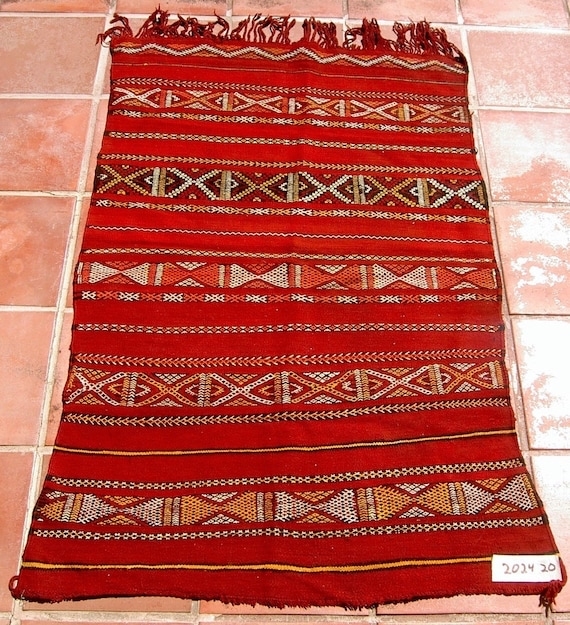
Boujad vs. Beni Ourain: Which Moroccan Rug Actually Fits Your Home?
Why This Choice Feels Harder Than It Looks
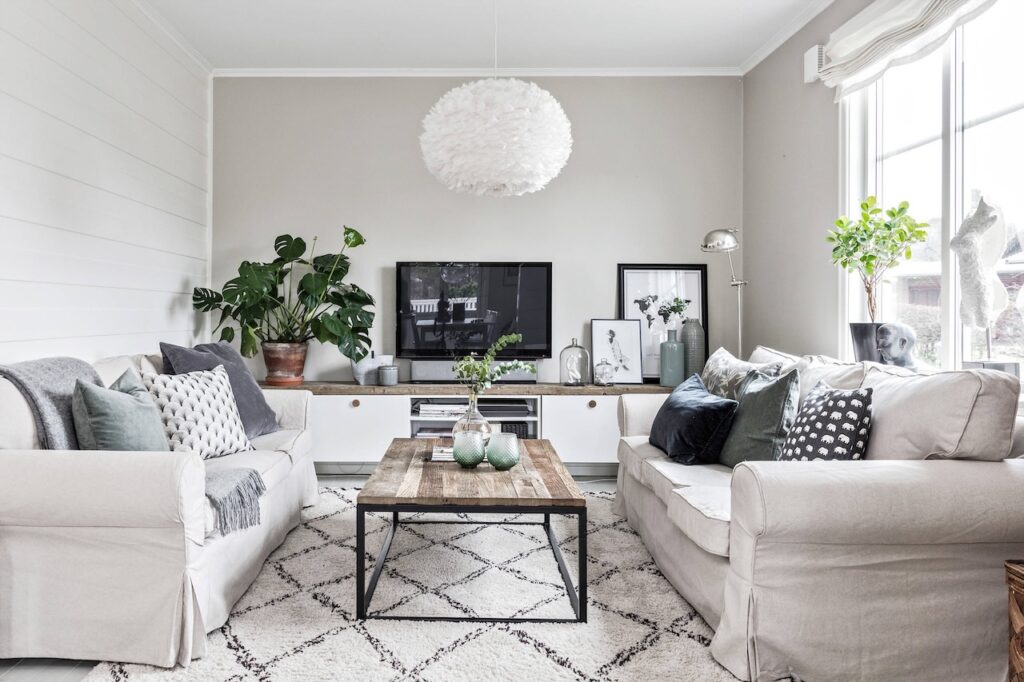
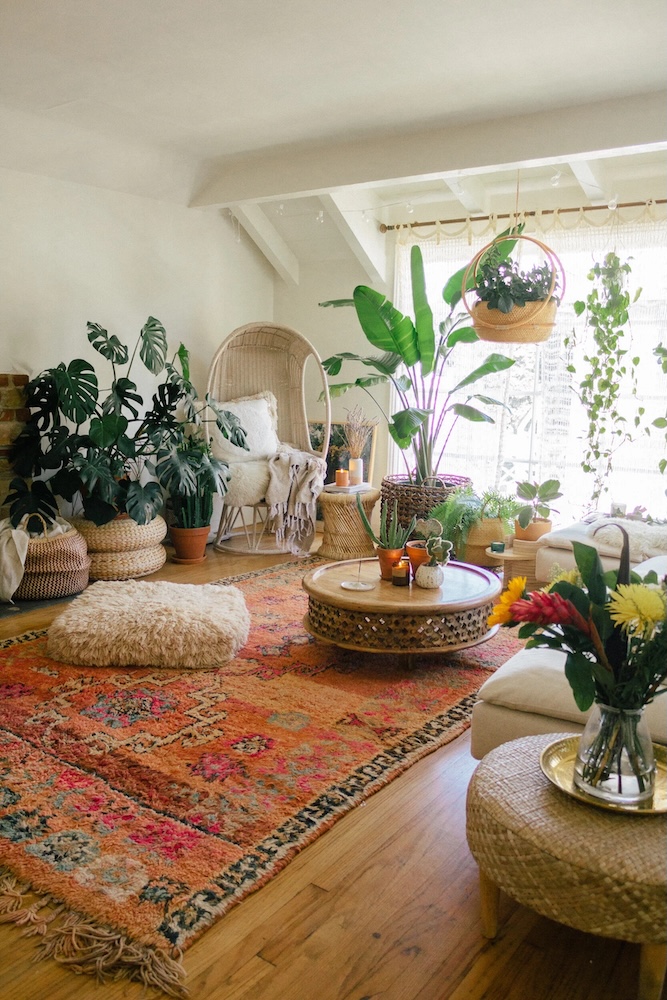
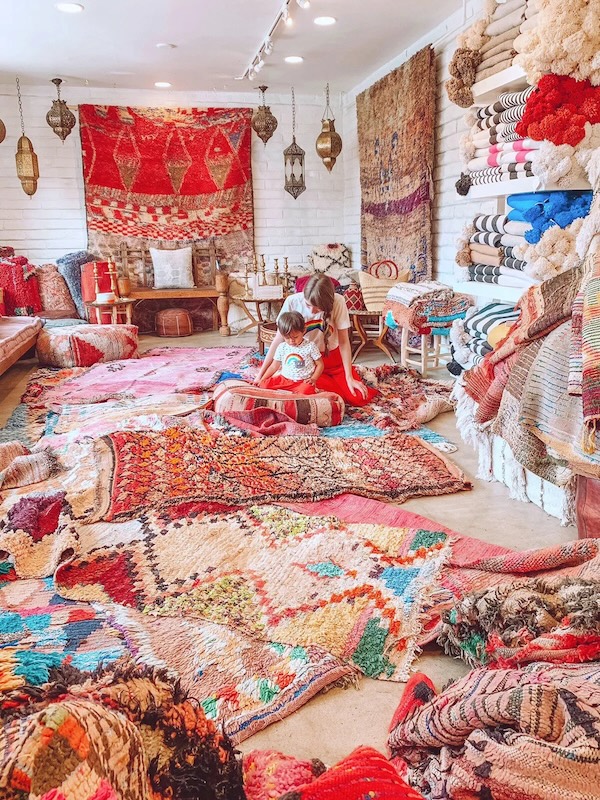
If you’re choosing between a Boujad rug and a Beni Ourain, chances are you’re stuck for a reason.
Online, the comparison feels simple: bold versus neutral, expressive versus minimal. But once you imagine the rug in your own space—under your feet, around your furniture, part of your daily routine—the decision becomes less obvious.
Pinterest shows you how rugs look in perfect rooms. It doesn’t show how they feel at 7am, how they age, or how they change the atmosphere of a space you actually live in.
This guide isn’t about which rug is “better.”
It’s about which one fits your home, your habits, and your tolerance for visual presence.
Boujad and Beni Ourain: Different Intent, Not Just Style
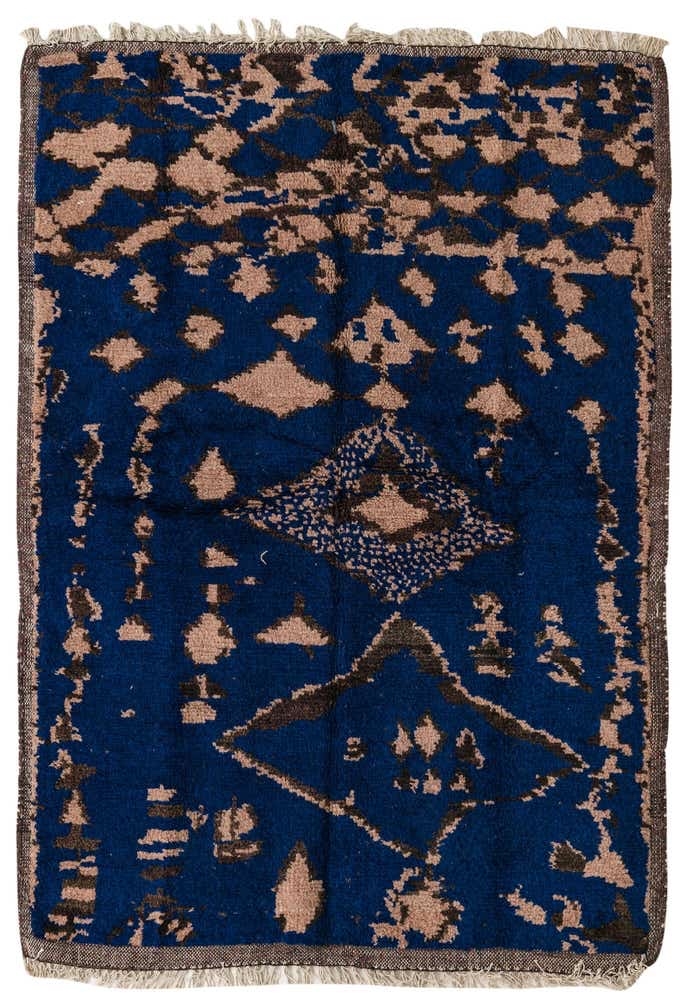
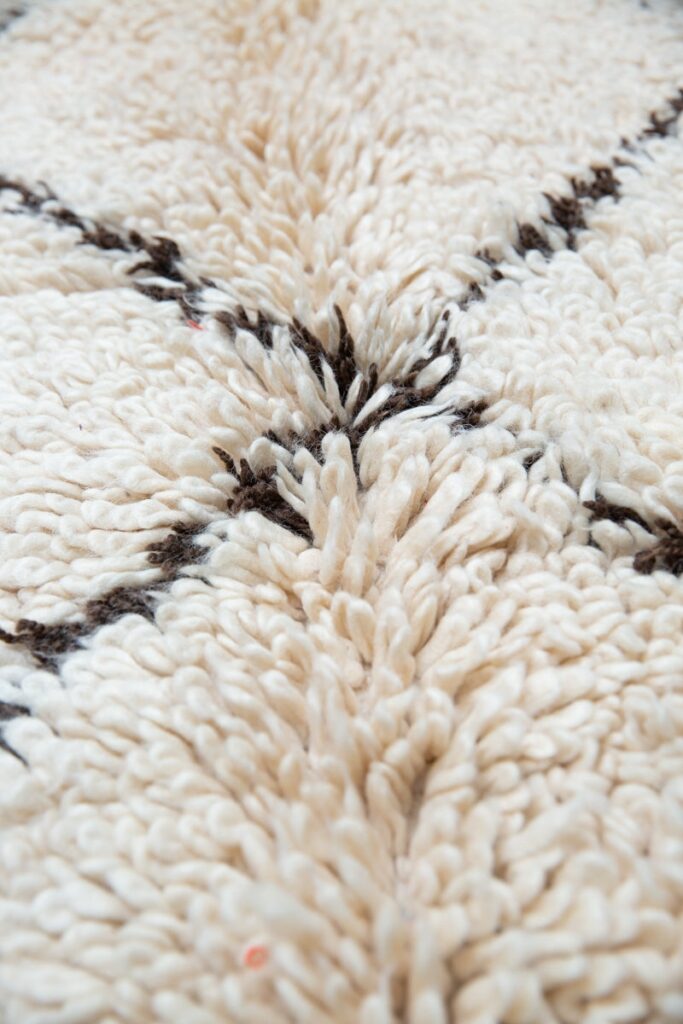
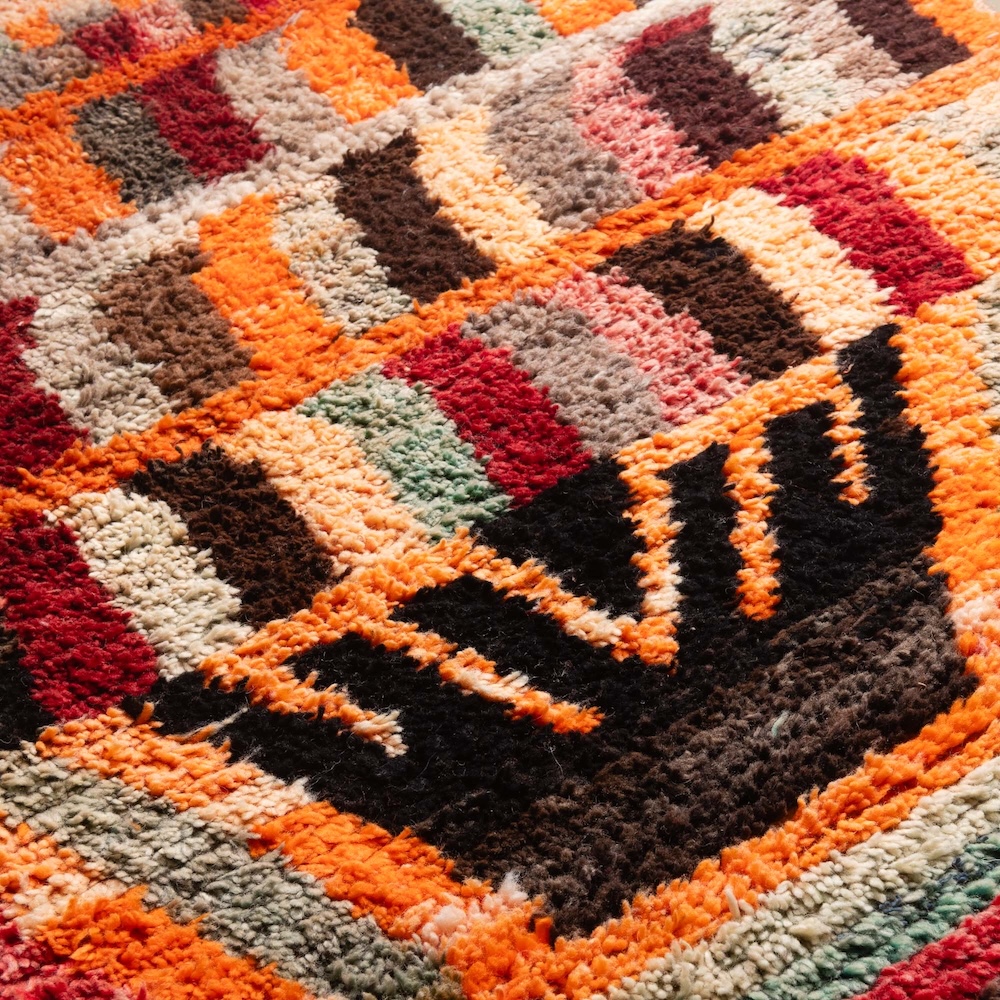
Boujad and Beni Ourain rugs weren’t created to compete with each other. They come from different regions, have different needs, and have different ideas of what a rug should do.
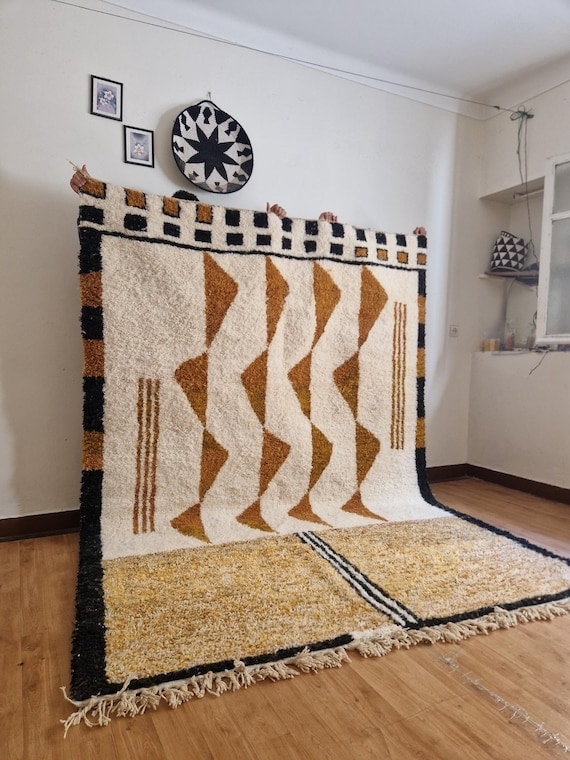
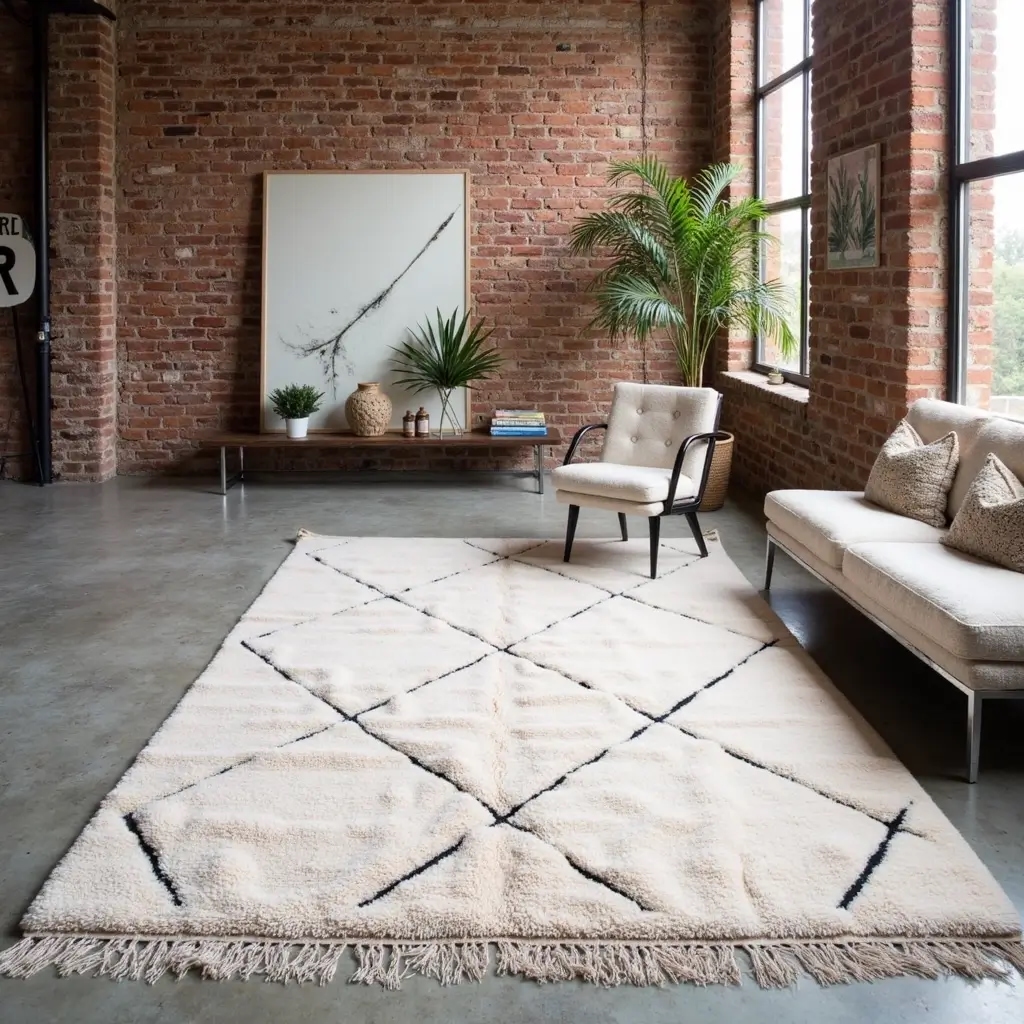
Beni Ourain rugs were woven primarily for warmth and comfort. Thick pile, soft wool, simple geometry. They were meant to insulate, to soften stone floors, and to make interiors feel calm and protected.
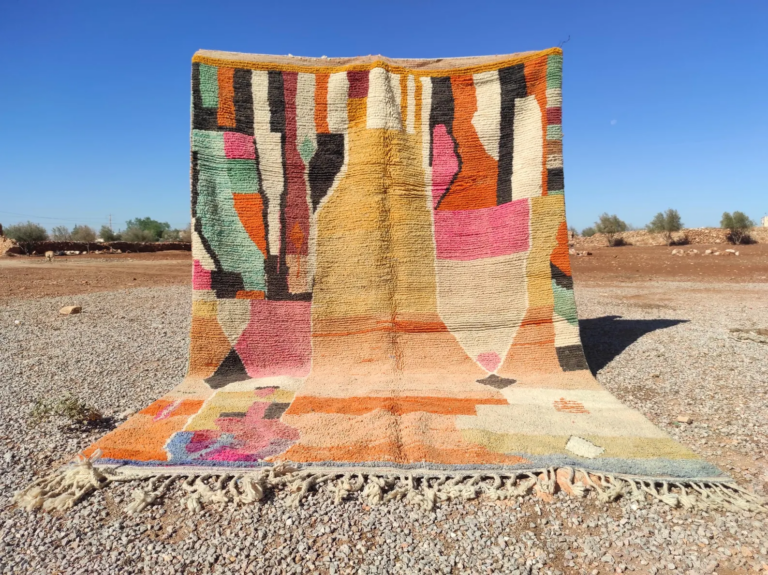
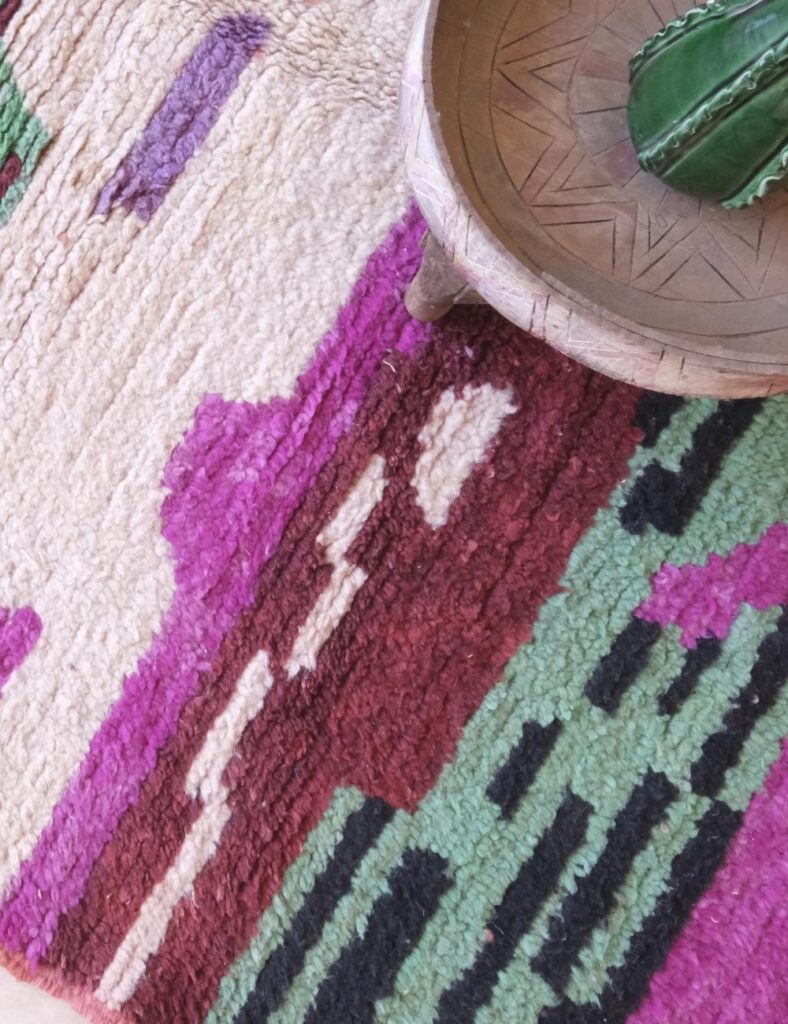
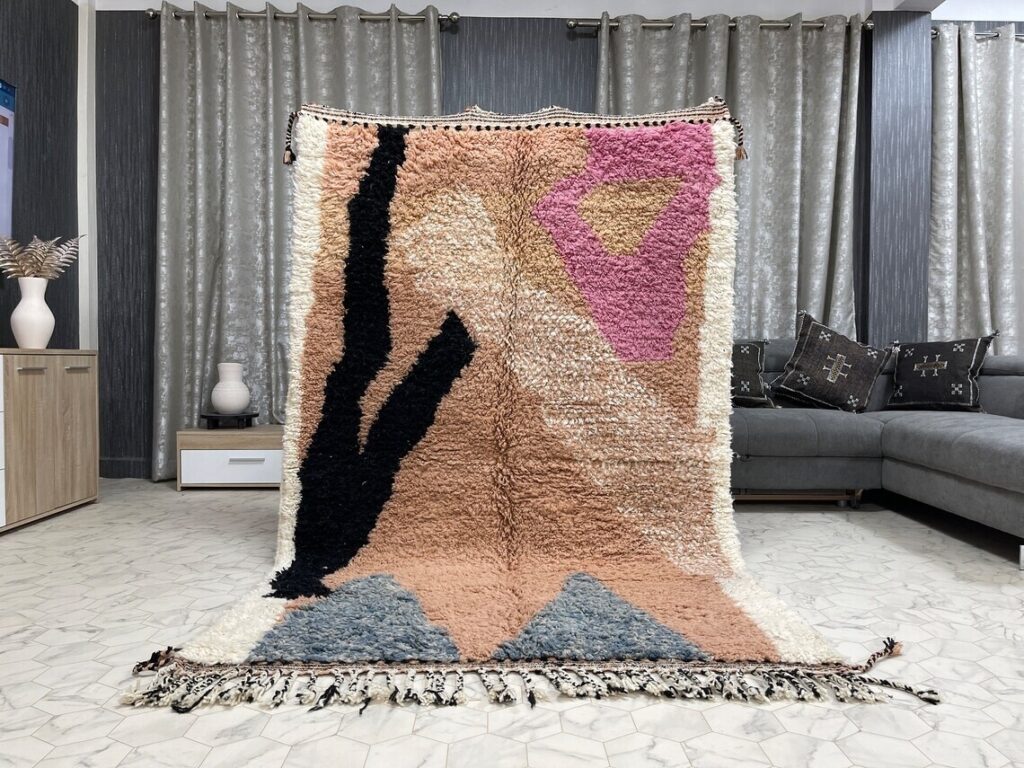
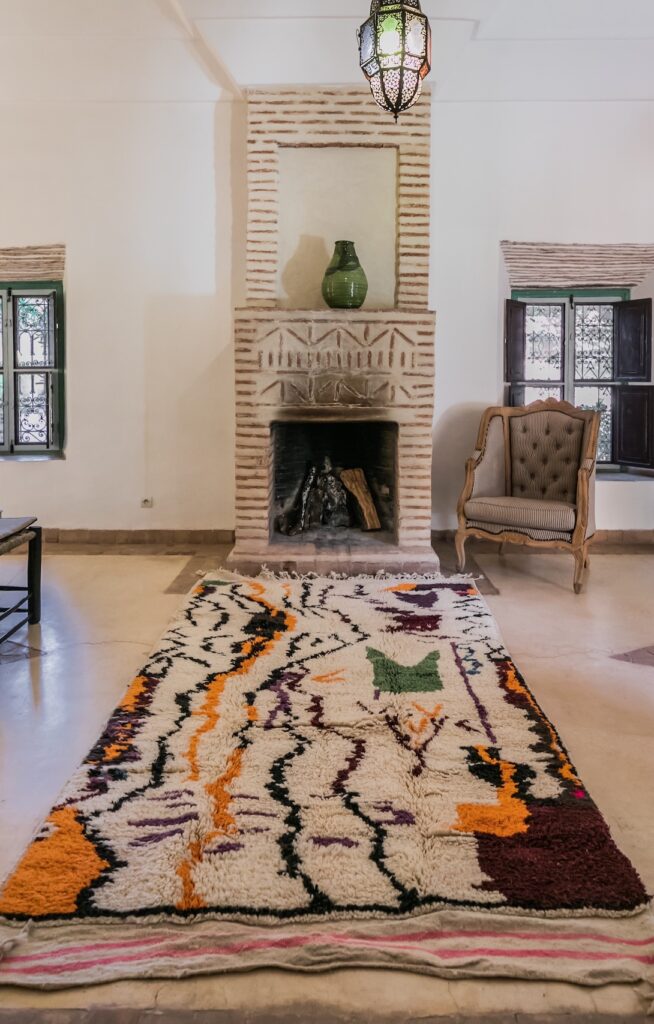
Boujad rugs, on the other hand, prioritize expression. They are flatter, more graphic, and more visually active. Their patterns are intuitive rather than structured, and their colors were never meant to fade into the background.
The difference starts with intent—and everything else follows from that.
How They Feel Underfoot (Daily Reality)
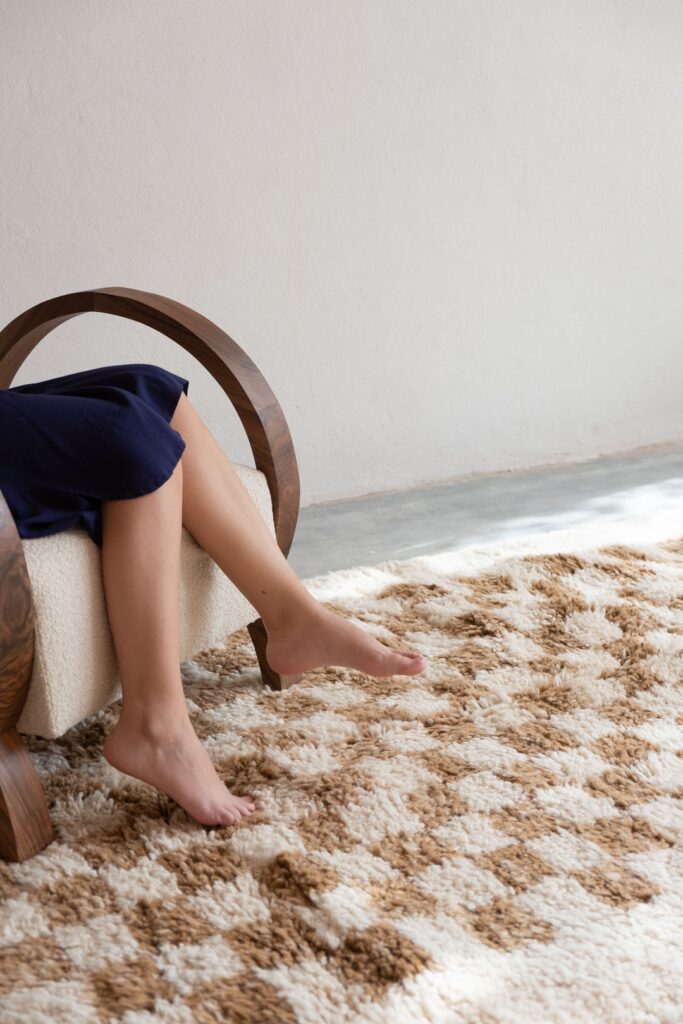
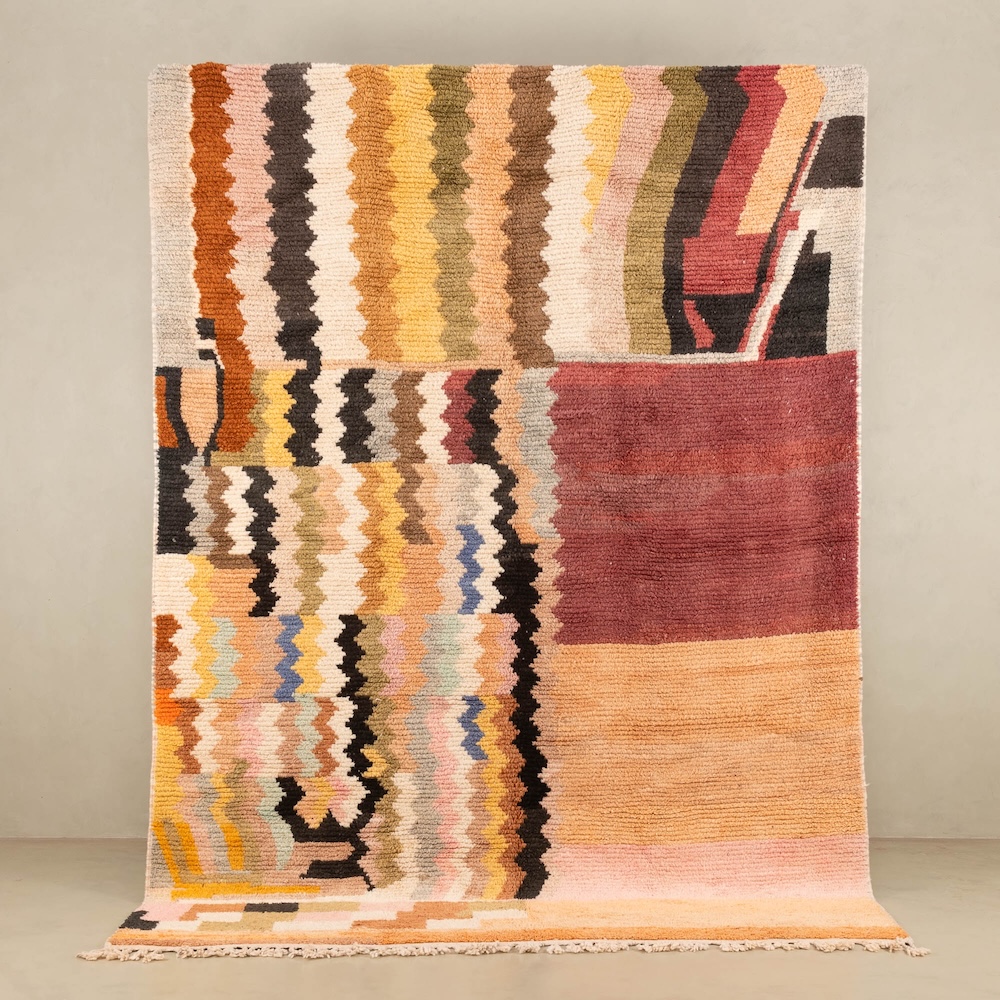
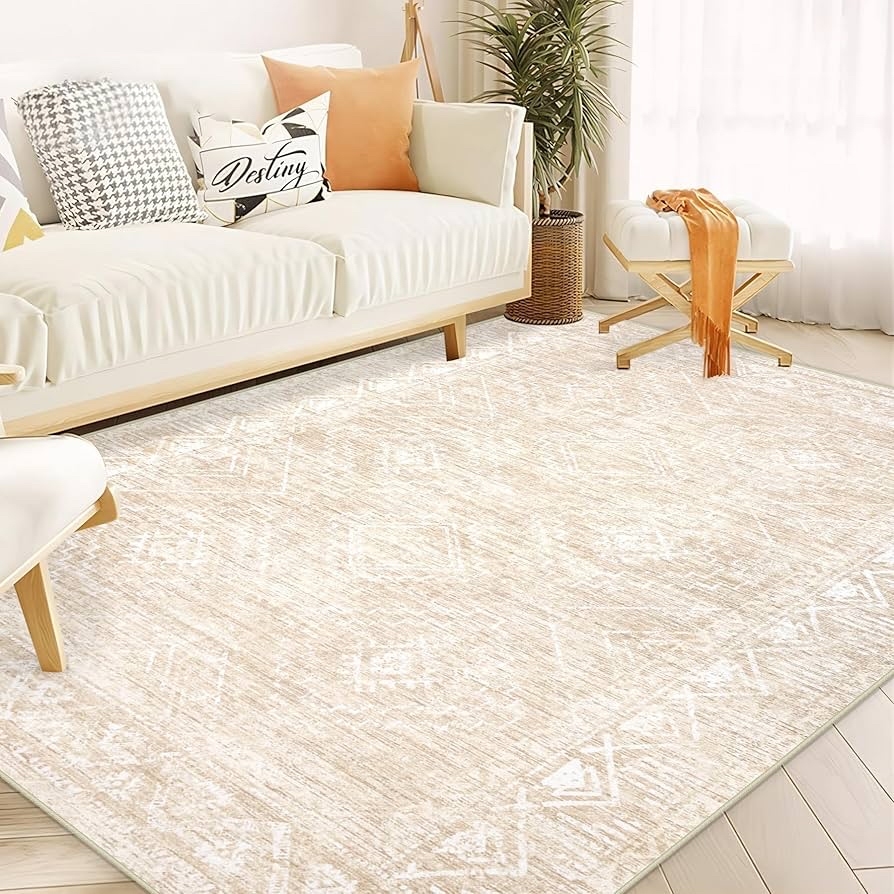
This is where expectations often clash with reality.
A Beni Ourain feels immediately comforting. Soft, plush, and forgiving. It absorbs sound, cushions steps, and makes a room feel warmer—both physically and emotionally. If you walk barefoot often, you notice it right away.
A Boujad feels firmer. You feel the weave, the structure, and the ground beneath. It’s not uncomfortable—but it’s present. Some people love that grounded feeling. Others are surprised by it.
Neither is wrong. But they offer very different daily experiences.
How They Behave in Real Rooms
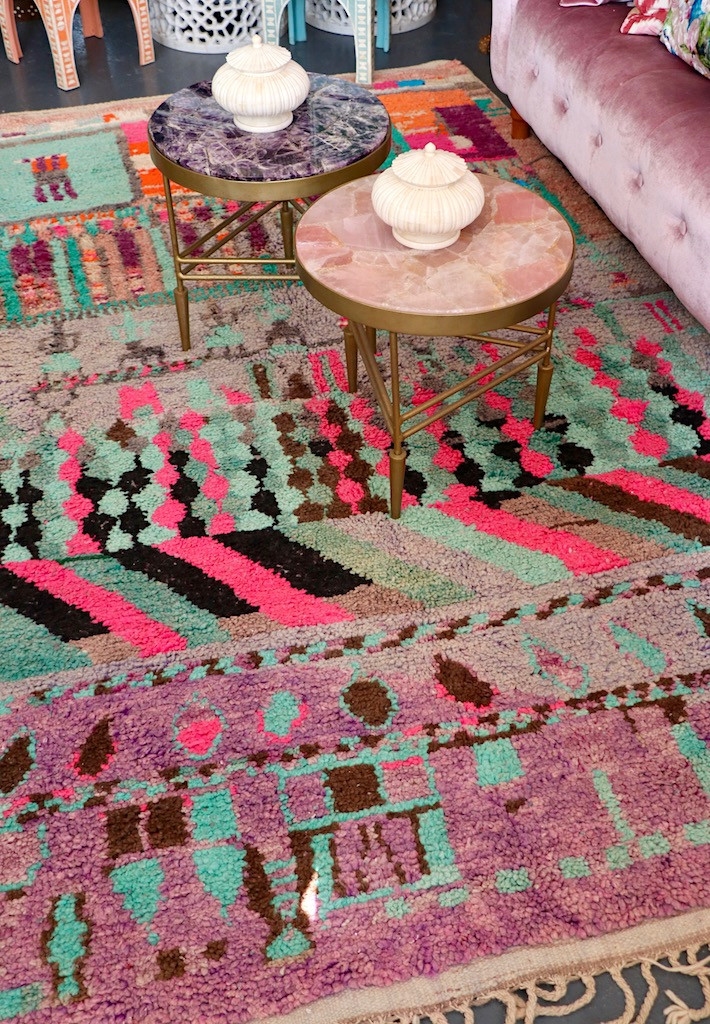
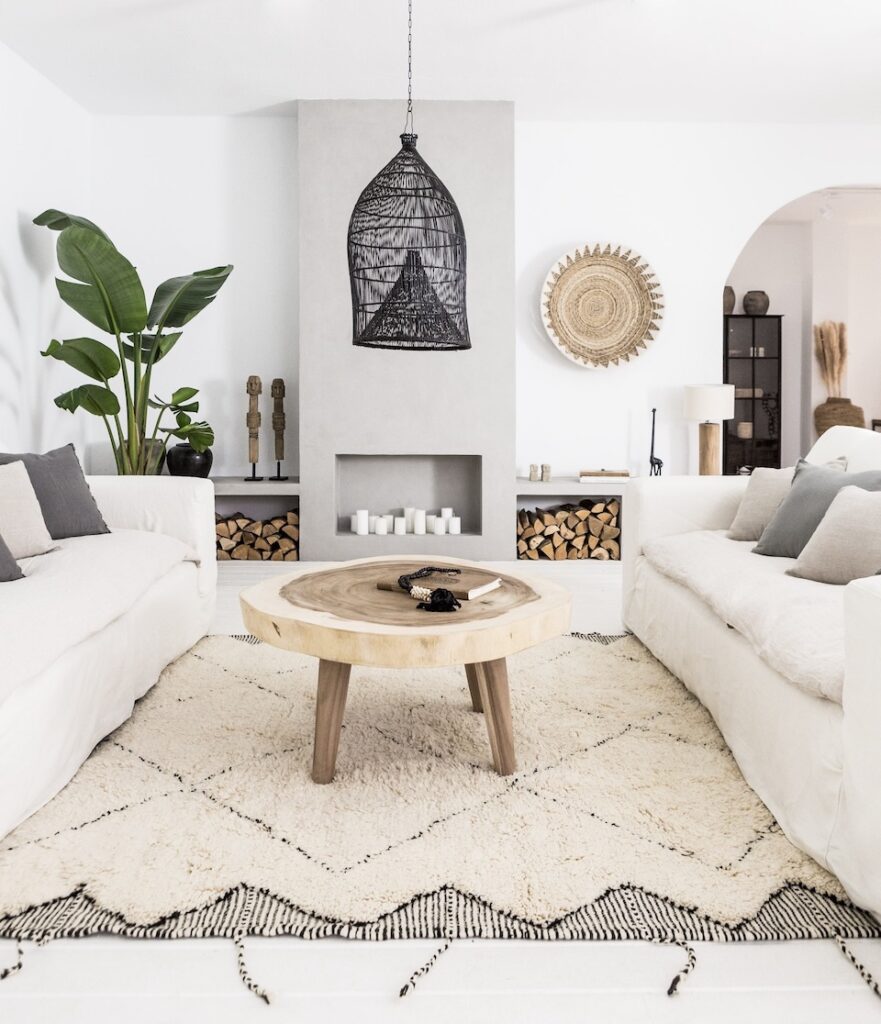
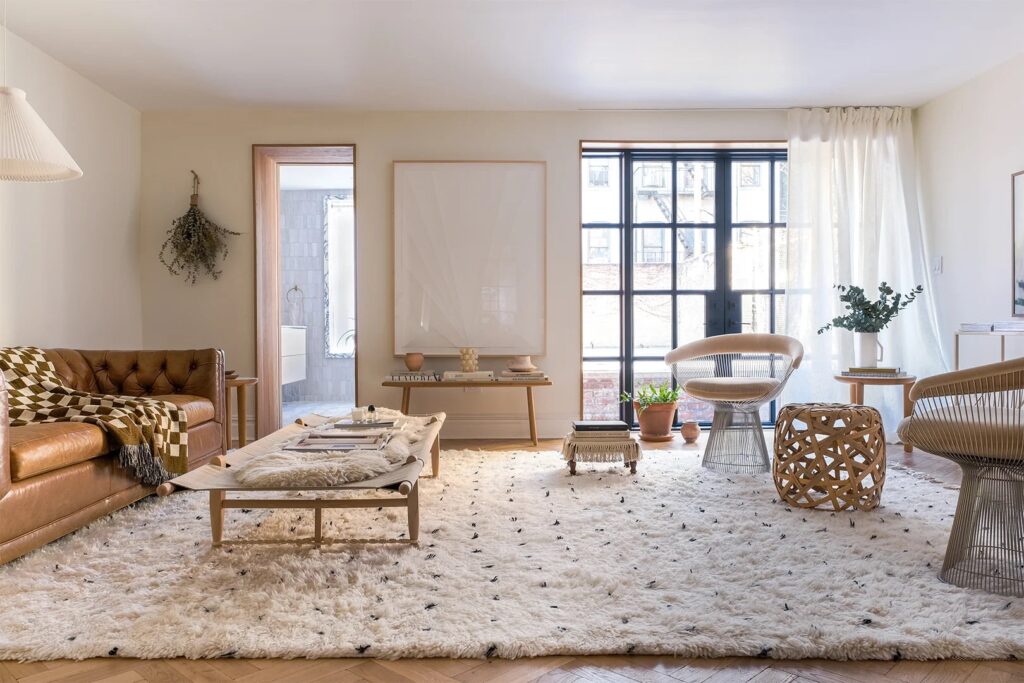
In real homes, rugs don’t sit alone. They interact with furniture, walls, light, and movement.
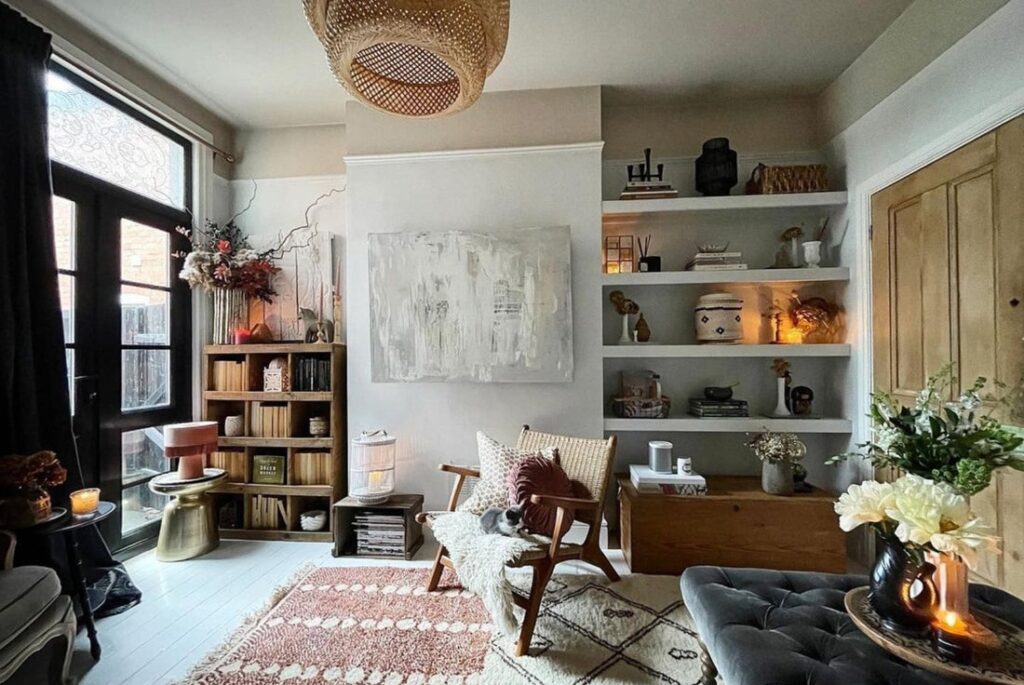
A Beni Ourain tends to quiet a room. It works well in:
- Smaller spaces
- Busy layouts
- Homes with lots of visual elements
It rarely competes for attention.
A Boujad does the opposite. It anchors a room visually. In larger spaces, that can be powerful. In smaller rooms, it can feel dominant—sometimes more than expected.
I’ve seen people fall in love with Boujad rugs online, then struggle with how much space they occupy visually once laid down.
Living With Them Over Time
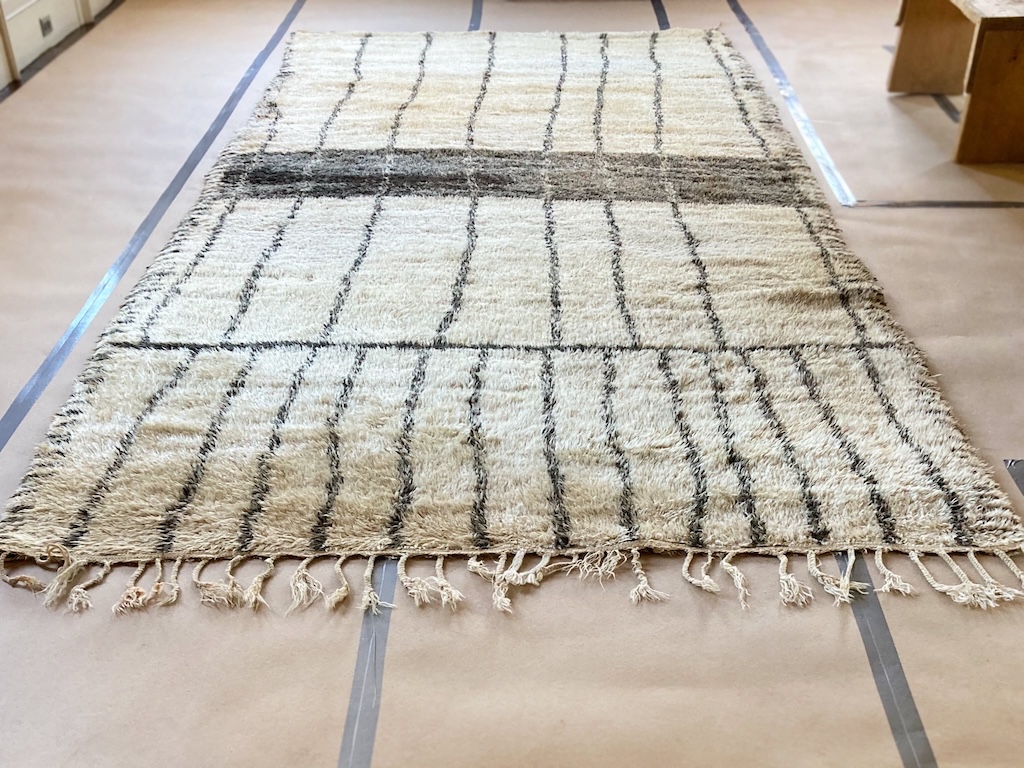
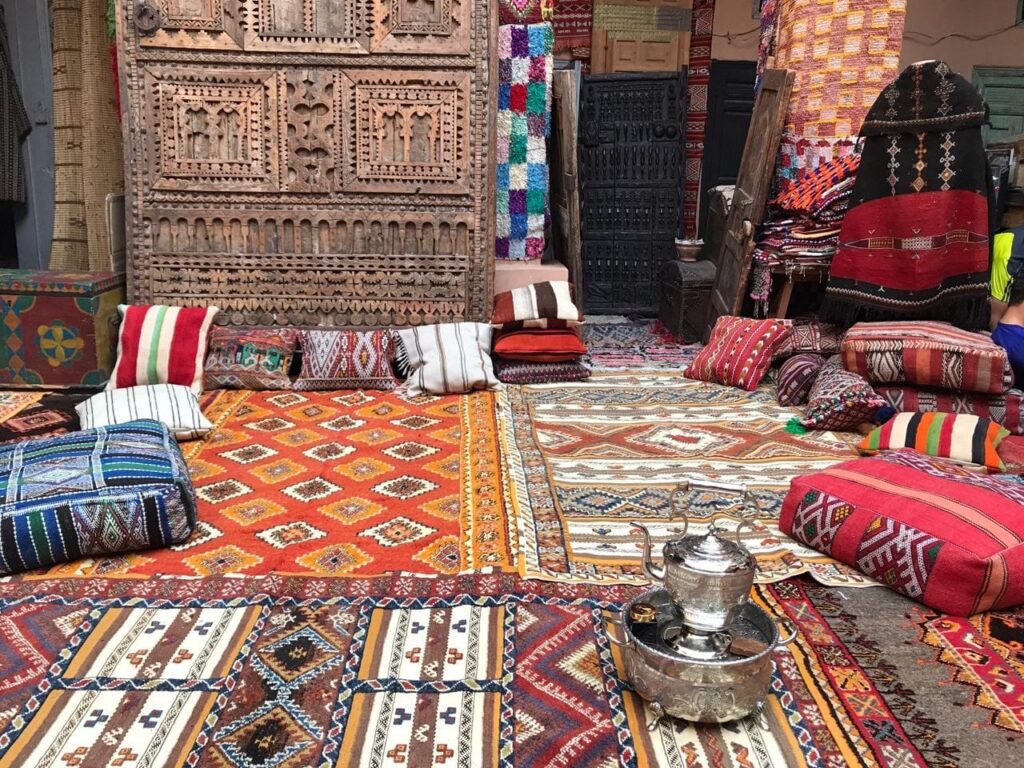
Time treats these rugs differently.
Beni Ourain rugs soften further. Their pile compresses slightly, their patterns blur gently, and they often become more comfortable with age. They’re forgiving of daily life.
Boujad rugs age visually. Colors mellow, contrast shifts, and wear becomes part of the story. They don’t disappear—they evolve.
If you like objects that change and show history, Boujad rugs reward attention.
If you prefer consistency and calm, Beni Ourain rugs feel reassuring long-term.
Common Buyer Regrets (Seen More Than Once)
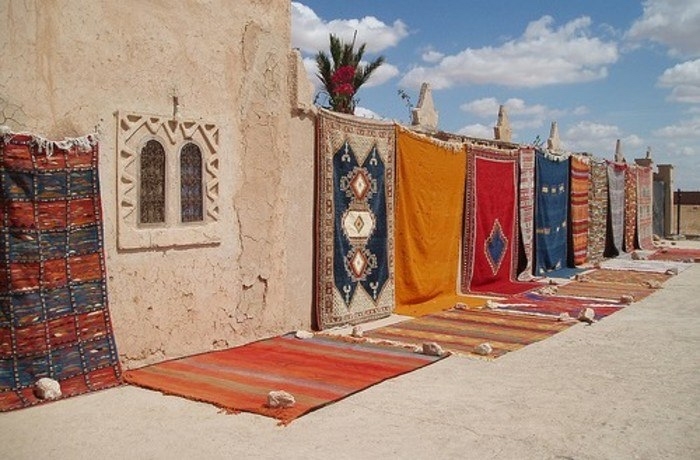
Two regrets come up repeatedly.
The first: choosing a Beni Ourain because it feels safe, then finding the space a bit too neutral—almost unfinished.
The second: choosing a Boujad for its statement, then realizing it asks for more attention than the room can comfortably give.
Neither mistake comes from bad taste. Both come from choosing based on photos rather than daily experience.
Who Boujad Rugs Are (and Aren’t) For
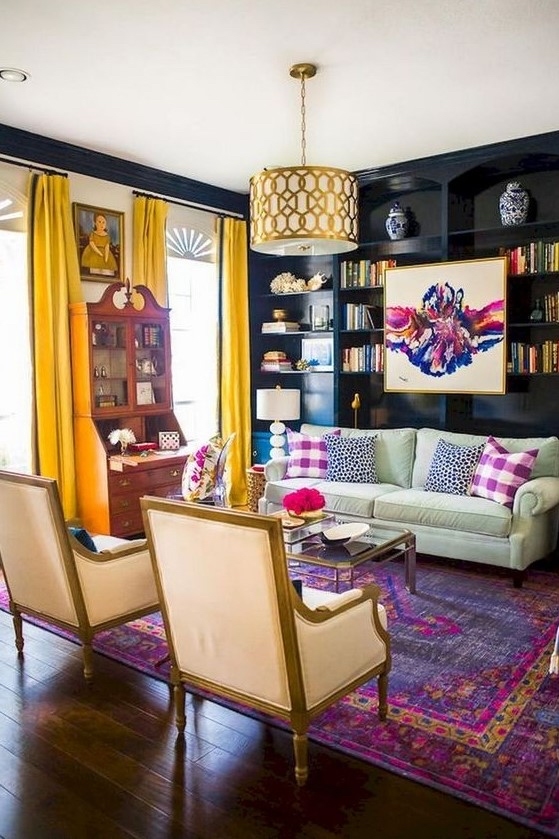
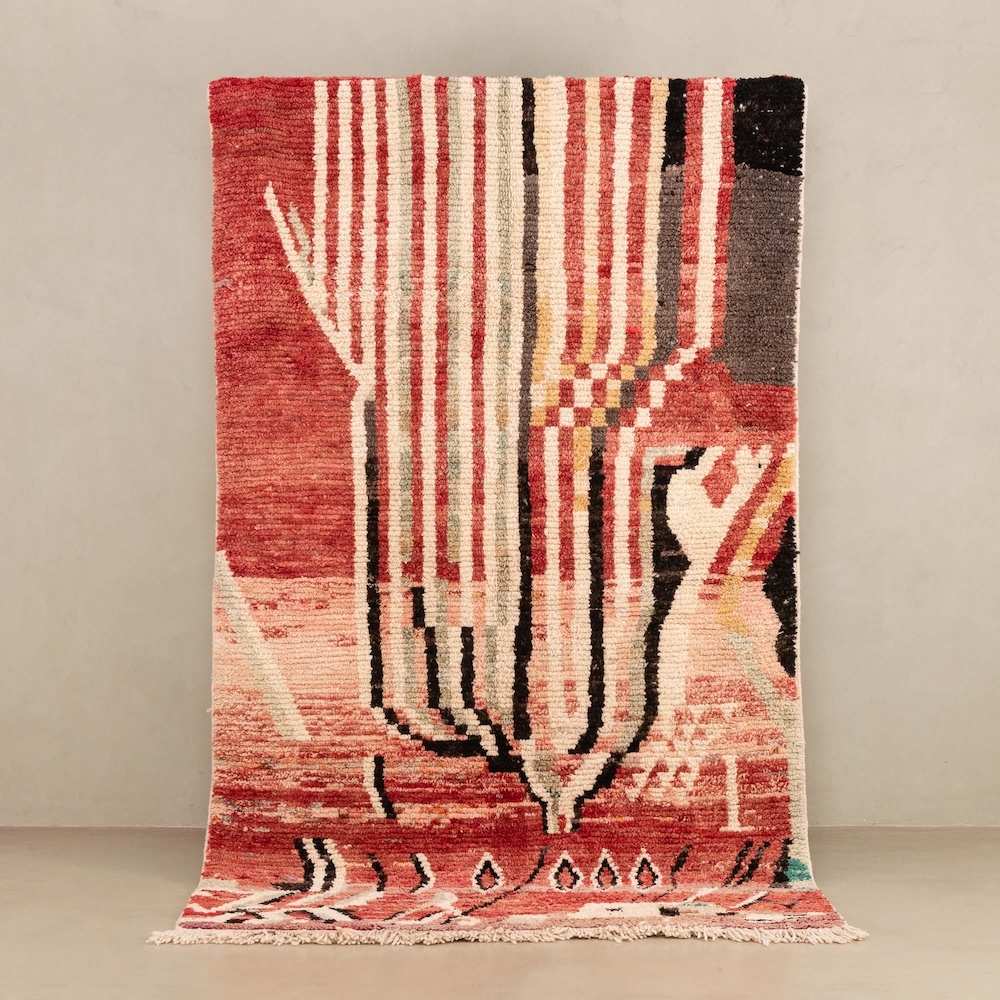
Boujad rugs tend to suit you if:
- You’re comfortable with visual tension
- You enjoy rooms that feel expressive rather than settled
- You see rugs as functional art, not background elements
They may frustrate you if:
- You prefer visual calm
- You like symmetry and repetition
- You want your rug to disappear into the room
Boujad rugs don’t adapt quietly. They ask to be noticed.
Who Beni Ourain Rugs Are (and Aren’t) For
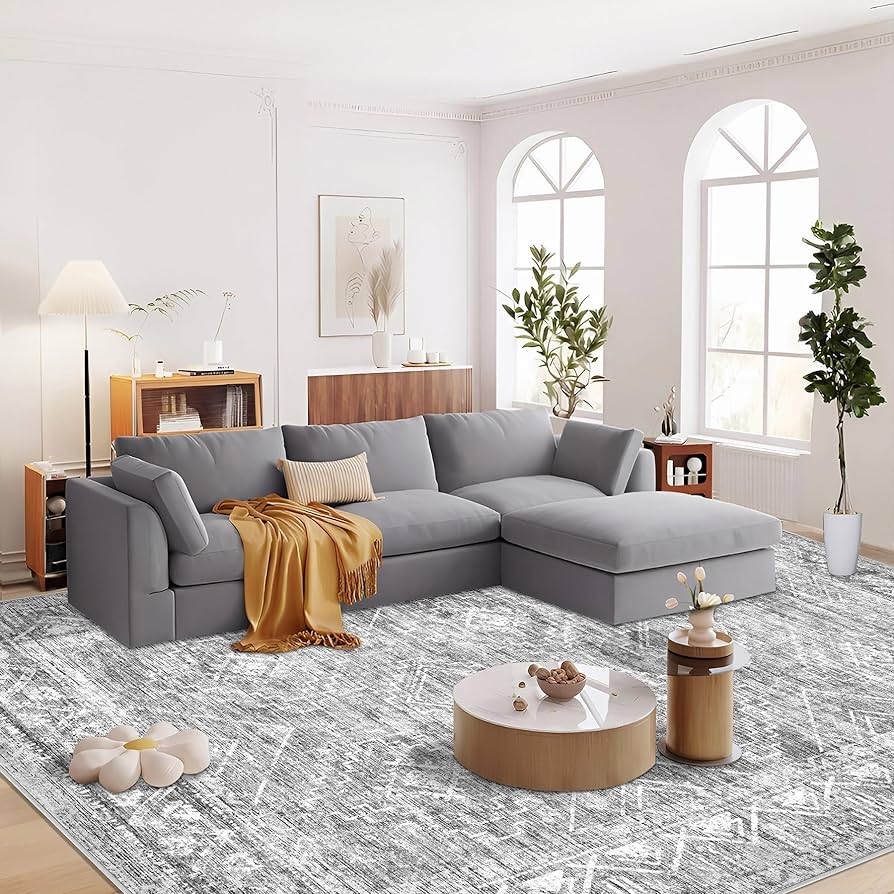
Beni Ourain rugs tend to fit if:
- You value comfort and softness
- You want a grounding, calming base
- Your space already has strong elements
They may disappoint you if:
- You’re craving visual energy
- You want your rug to lead the room
- You expect bold personality from textiles
Beni Ourain rugs don’t compete. They support.
A Simple Way to Decide (Without Overthinking)
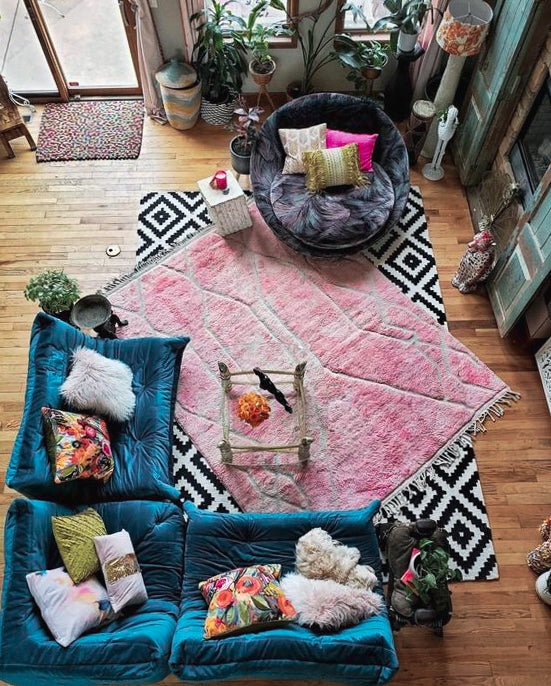
Ask yourself honestly:
- Do I want my rug to lead or support the room?
- Will I walk barefoot on it often?
- Do I want calm or conversation?
- Can my space visually hold a strong pattern?
Your answers usually point clearly to one rug over the other.
Final Thought—Choose for Life, Not Photos
Ask yourself honestly:
- Do I want my rug to lead or support the room?
- Will I walk barefoot on it often?
- Do I want calm or conversation?
- Can my space visually hold a strong pattern?
Your answers usually point clearly to one rug over the other.