5 Red Flags When Buying “Authentic” Moroccan Decor Online
When “Authentic” Stops Meaning Anything
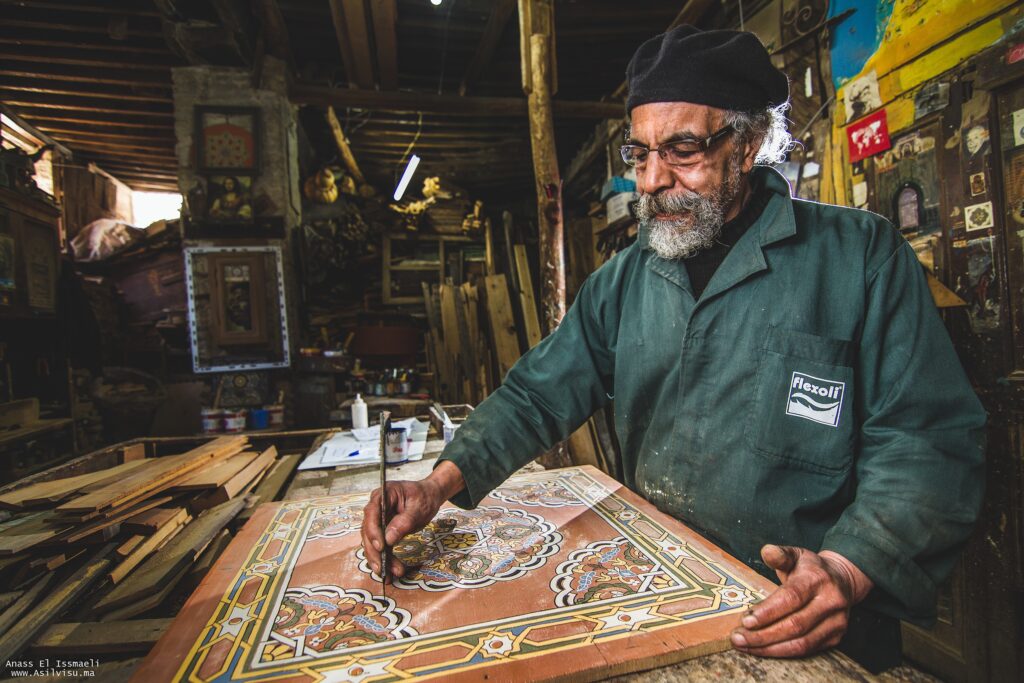
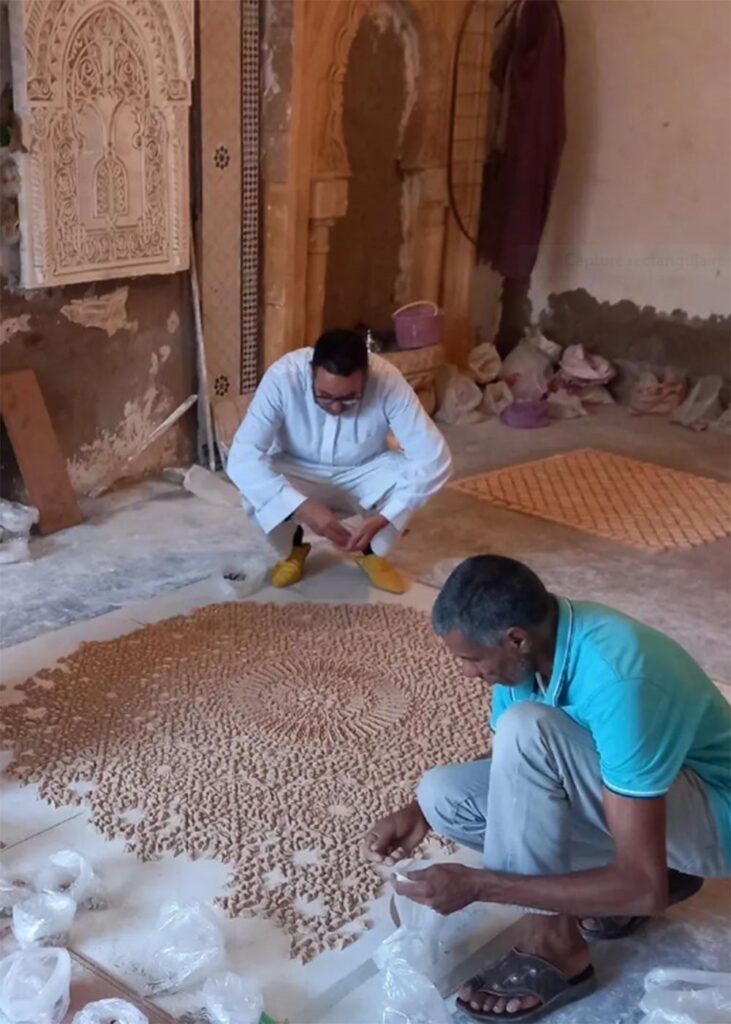
If you’ve spent time shopping for Moroccan decor online, you’ve probably noticed something unsettling: almost everything is described as authentic.
Authentic Moroccan rug.
Authentic handmade lantern.
Authentic artisan decor.
The word appears so often that it starts to lose its meaning. And if you’re trying to buy carefully—without overpaying, without being misled—that repetition creates doubt rather than confidence.
That doubt is reasonable.
Most buyers don’t want to become experts. They just want to avoid obvious traps and feel good about what they bring into their home. This guide isn’t about spotting “fake” decor—it’s about recognizing when marketing language replaces real information.
Red Flag #1 — “Authentic” With No Clear Origin
When a listing claims authenticity but never mentions:
- a region
- a city
- a specific craft tradition
…this usually indicates that the term “authentic” is being used for decorative purposes rather than to convey accurate information.
Moroccan decor is deeply regional. Rugs, leatherwork, woodcraft, and pottery all come from specific places, with different materials and techniques. When that context disappears, authenticity becomes a mood instead of a fact.
A trustworthy listing doesn’t need a history lesson—but it should be able to answer one simple question:
Authentic to where?
Red Flag #2 — “Handmade” Without Any Process
“Handmade” sounds reassuring, but it often goes unexplained.
There’s a difference between:
- an object touched by human hands at some stage
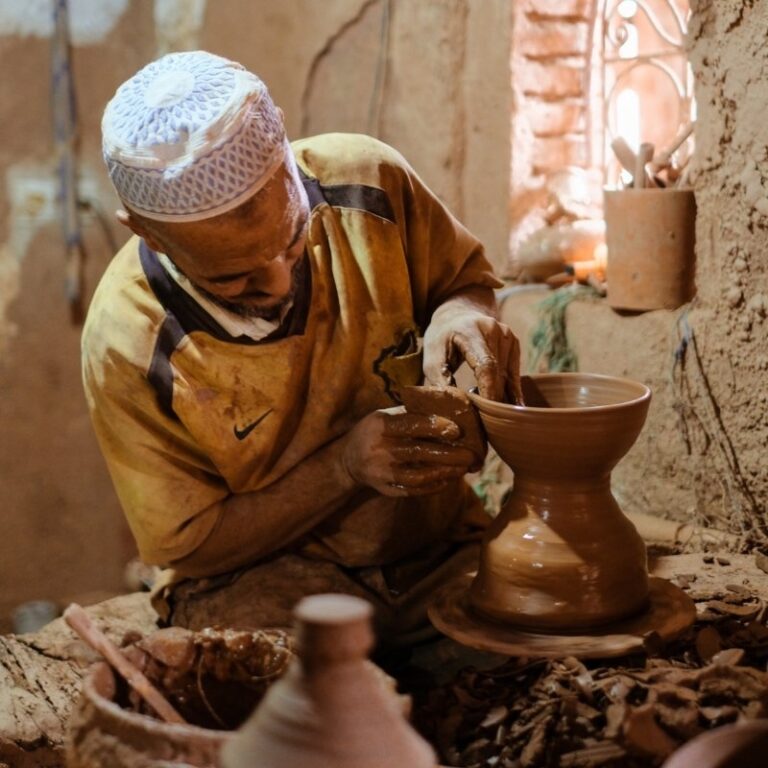
- an object made entirely through a traditional craft process
When a listing shows only finished products—no materials, no tools, no work-in-progress—it’s reasonable to pause.
Some Moroccan crafts simply cannot be handmade cheaply or quickly. When prices are very low and the process is invisible, the claim deserves scrutiny.
Red Flag #3—Perfect Uniformity Across Every Item
This is one of the easiest signs to miss.
If every item in a shop:
- looks exactly the same
- has identical dimensions
- shows no variation in color or texture
Yet each one is described as unique; something doesn’t add up.
Traditional Moroccan decor almost always shows variation—sometimes subtle, sometimes obvious. That doesn’t mean poor quality. It means materials, hands, and conditions change from piece to piece.
Uniformity isn’t automatically bad. But when it’s paired with heavy artisan language, it often signals factory production dressed up as craft.
Red Flag #4—Lifestyle Photos, No Material Details
Beautiful styling can be inspiring—but it can also hide a lot.
A common pattern in misleading listings is
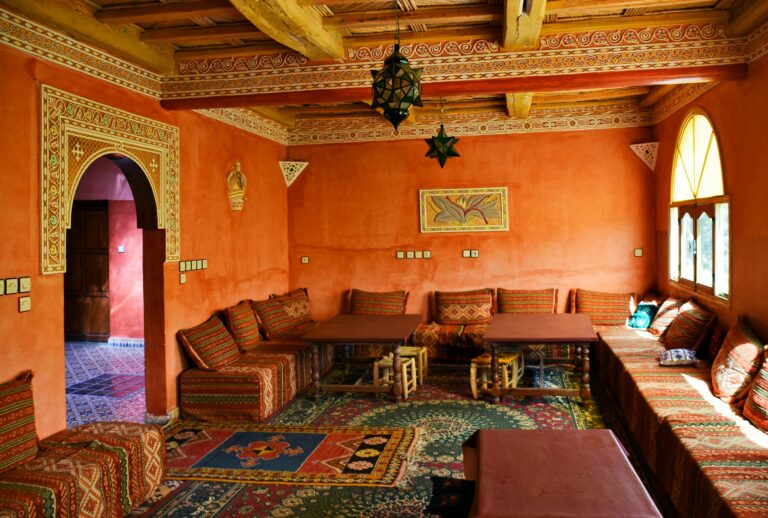
- perfectly styled interiors
- warm lighting
- wide shots only
…and very few close-ups of:
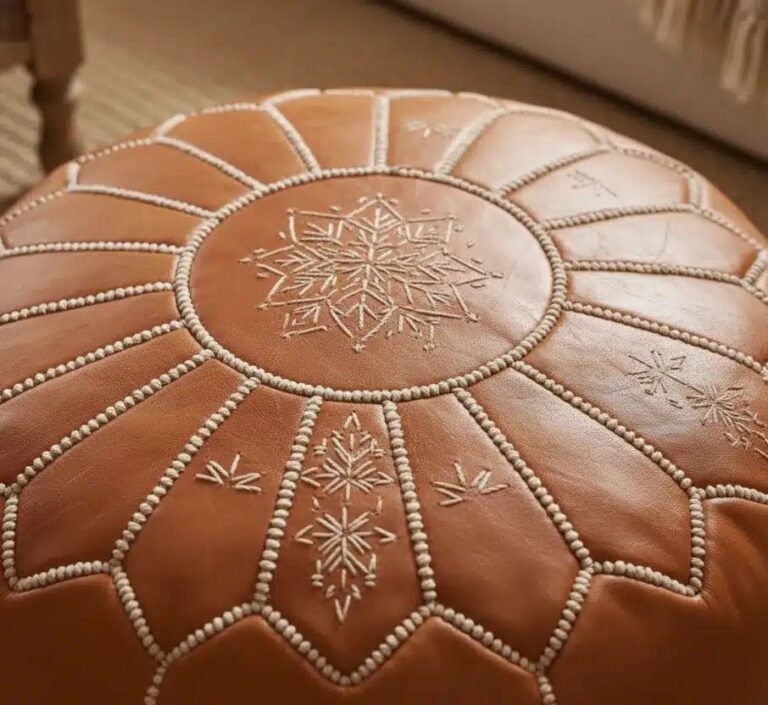
- texture
- stitching
- weaving
- edges
- undersides
Real craftsmanship shows itself in details. Sellers who work closely with handmade objects tend to show them—even when those details aren’t “pretty.”
When you’re shown atmosphere but not material, you’re being sold a feeling, not an object.
Red Flag #5—Prices That Make No Sense (Low or High)
Price alone doesn’t determine authenticity—but price without explanation is a warning sign.
Extremely low prices often point to:
- mass production
- synthetic materials
- outsourced labor unrelated to Moroccan craft traditions
Extremely high prices can be just as misleading when they rely solely on words like “rare,” “luxury,” or “artisan”—without explaining age, origin, or technique.
Authentic Moroccan decor usually falls into a logical range, shaped by materials and labor—not trends.
Real Online Listing Examples (Anonymized)
Example 1—Everything Sounds Right, Nothing Is Said
“Authentic Moroccan handmade decor crafted by skilled artisans using traditional techniques.”
No region. No material. No process. This description could apply to almost anything.
Example 2—Handmade as a Disclaimer
“Each piece is handmade and therefore unique. Minor variations may occur.”
This sentence appears everywhere—and explains nothing about how the item is actually made.
Example 3—One of a Kind, Twenty Times
A shop displays twenty identical items, each labeled as unique. Variation is part of craft. Interchangeability is not.
Example 4—Price Without Context
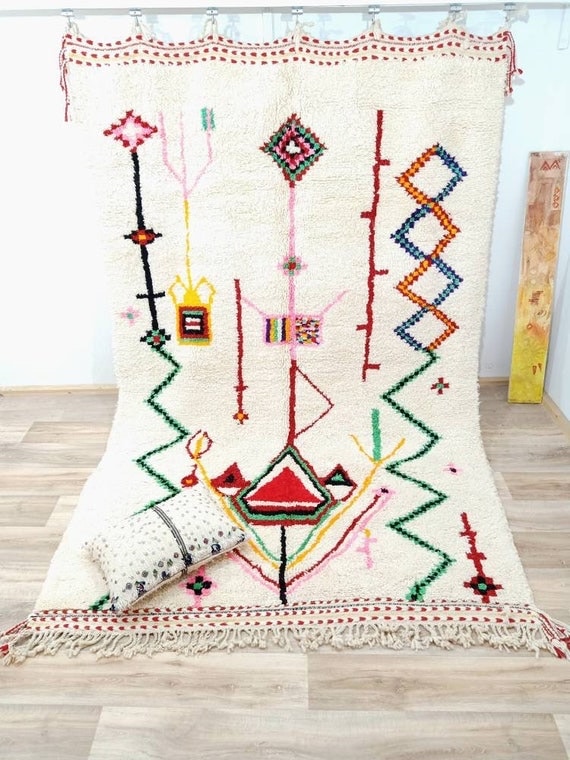
“Rare artisan Moroccan rug—premium quality—$1,200”
No age. No wool type. There is no specific weaving technique involved. Price is doing all the talking.
What’s Not a Red Flag (And Often a Good Sign)
To avoid becoming overly suspicious, it helps to know what usually signals real craft:
- small imperfections
- asymmetry
- color variation
- simple packaging
- sellers who admit uncertainty
Authentic decor isn’t optimized for algorithms. It’s shaped by use, time, and hands.
How to Shop Moroccan Decor Online Without Becoming an Expert
You don’t need to interrogate sellers or memorize craft techniques.
A few calm checks are enough:
- Is the origin described clearly?
- Is the process explained, even briefly?
- Do materials make sense for the price?
- Are details shown, not just styling?
If a product relies entirely on buzzwords, it’s okay to walk away.
Final Thought—Authenticity Is Context, Not a Claim
Authentic Moroccan decor isn’t defined by a label, a trend, or a perfect photo.
It’s defined by context: where something comes from, how it’s made, and why it exists.
Once you start looking for that context, shopping becomes calmer—not more complicated. You don’t need to catch every red flag. You just need to notice when language is doing all the work.
That awareness alone protects you better than any “authentic” badge ever will.