Moroccan Kilim Rugs Explained: What They Are, How They’re Made, and How to Choose One
Why “Kilim” Is a Confusing Word

If you’ve been searching for rugs online, you’ve likely seen the word “kilim” applied to almost everything flat, patterned, and vaguely “ethnic.”
On Pinterest and Etsy, Moroccan kilim rugs are often grouped together with Turkish, Persian, or even machine-made flatweaves—without explanation. The result is confusion: you like the look, but you’re not sure what’s real, what’s durable, or what actually belongs to Moroccan weaving traditions.
That confusion isn’t your fault. Kilim is a shared word, used across many cultures, but it doesn’t mean the same thing everywhere.
This guide exists to bring clarity—specifically in a Moroccan context—so you can understand what a Moroccan kilim rug really is, how it’s made, and how to recognize one suited to real life, not just photos.
What Does “Kilim” Actually Mean?
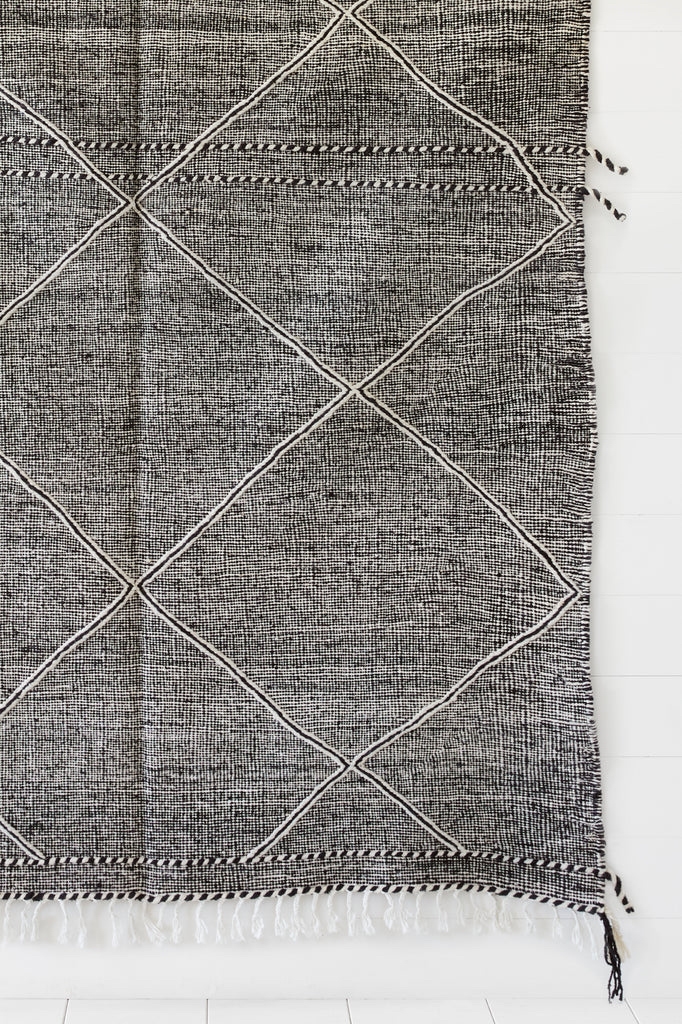
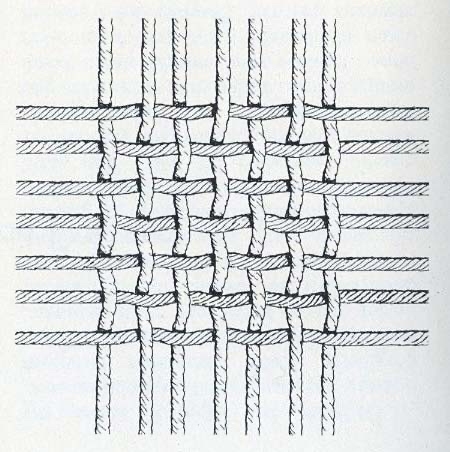
At its core, “kilim” refers to a flatwoven rug.
Unlike pile rugs, kilims have:
- No knots
- No raised surface
- The same structure on both sides
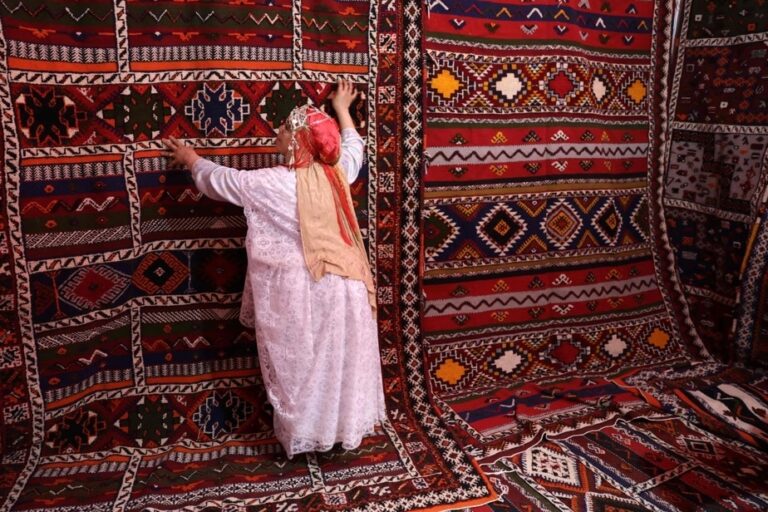
This weaving technique exists across a wide geographic area—from Anatolia to North Africa. Over time, the word became a convenient label in global markets, even though the rugs themselves differ greatly in purpose and construction.
When you see “kilim rug,” you learn how it’s woven, but not its origin or use. That’s where Moroccan kilims often get misunderstood.
Are Kilim Rugs Moroccan?
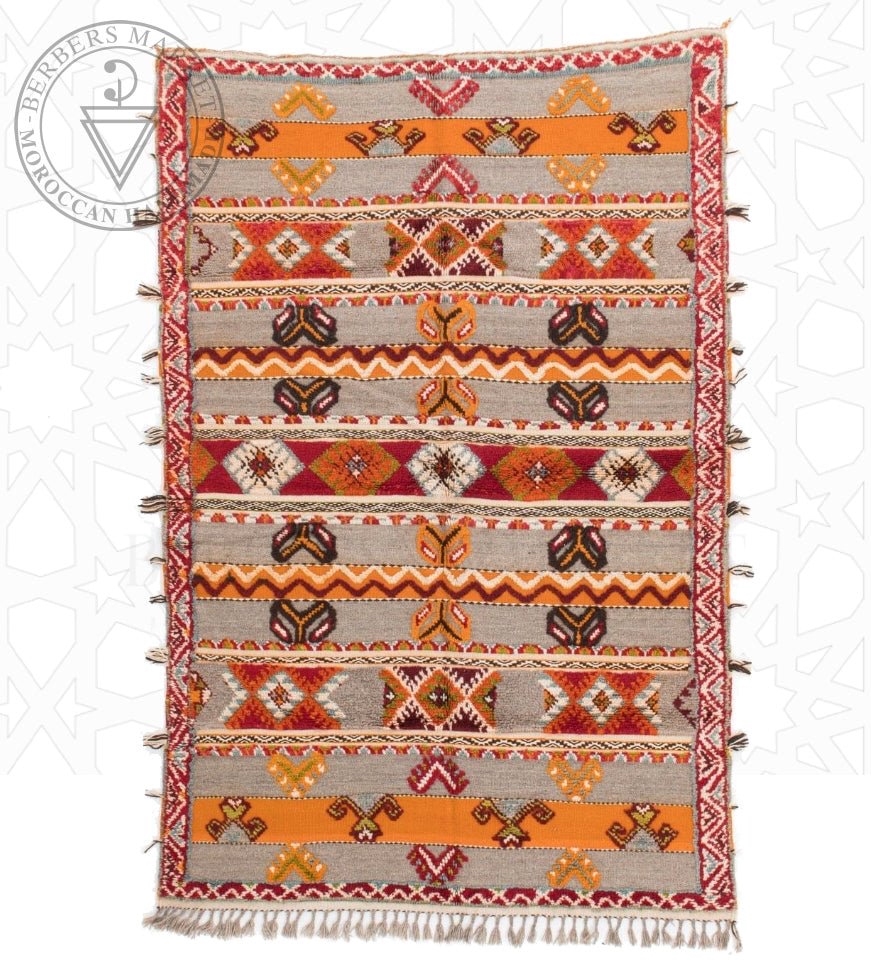
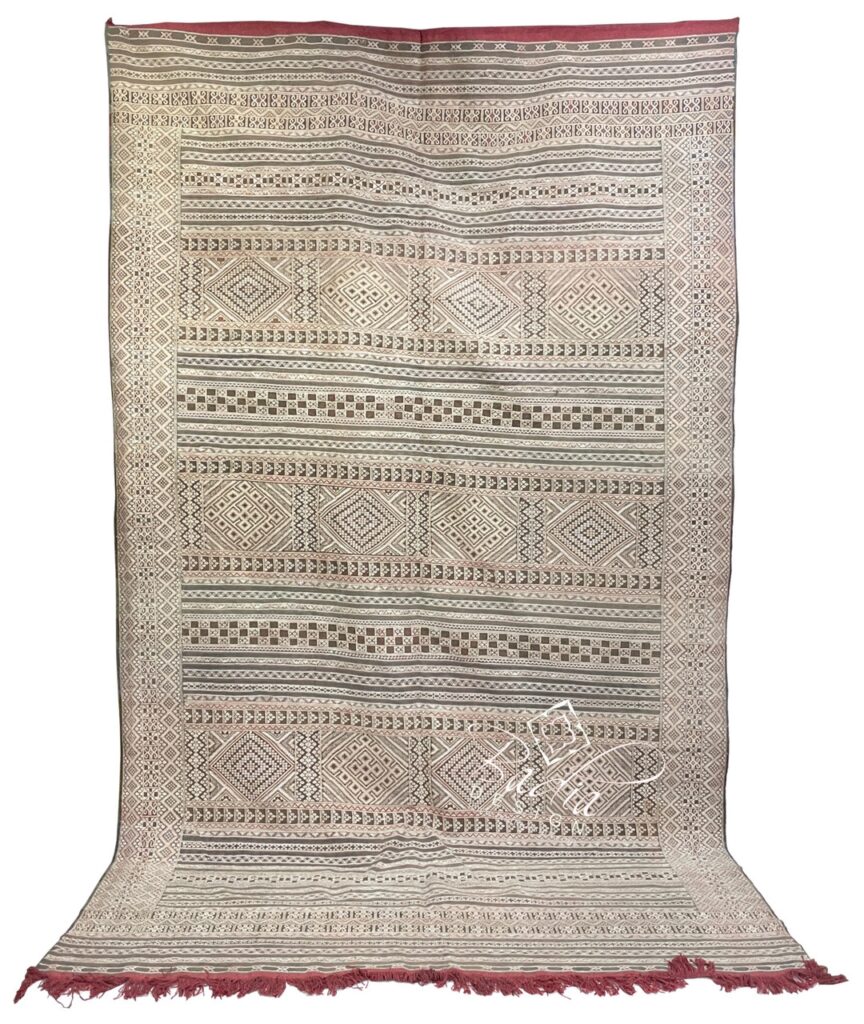
Yes—but with an important distinction.
Morocco has a long tradition of flatwoven textiles, but they were not historically labeled as “kilims.” That term was adopted later, largely for export and international understanding.
What makes Moroccan kilim rugs distinct is not the name, but the intent behind them.
Moroccan flatweaves tend to be:
- More intuitive than symmetrical
- Designed for everyday use
- Less symbolic, more functional
Where Turkish or Persian kilims may be woven primarily as decorative or symbolic pieces, Moroccan kilims are often practical textiles first—made to be walked on, folded, moved, and reused.
How Moroccan Kilim Rugs Are Made
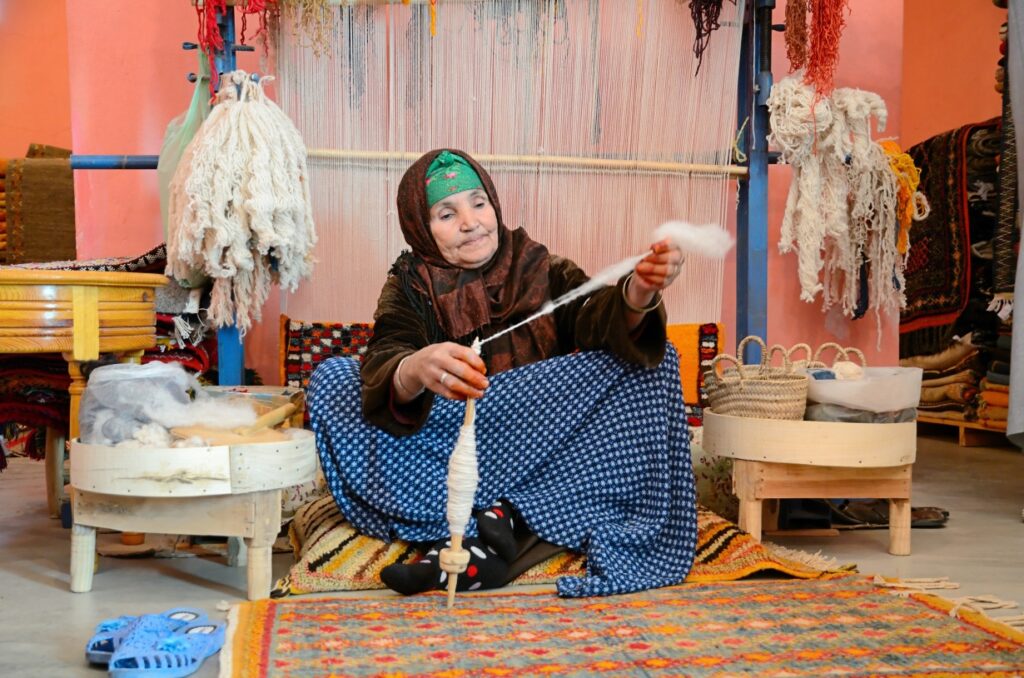
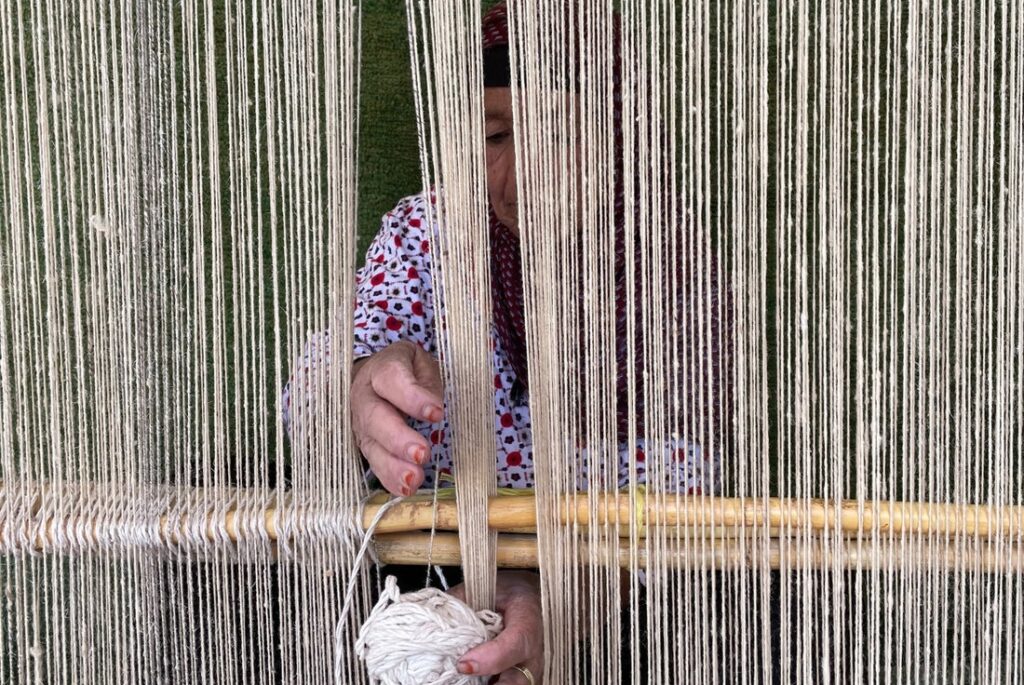
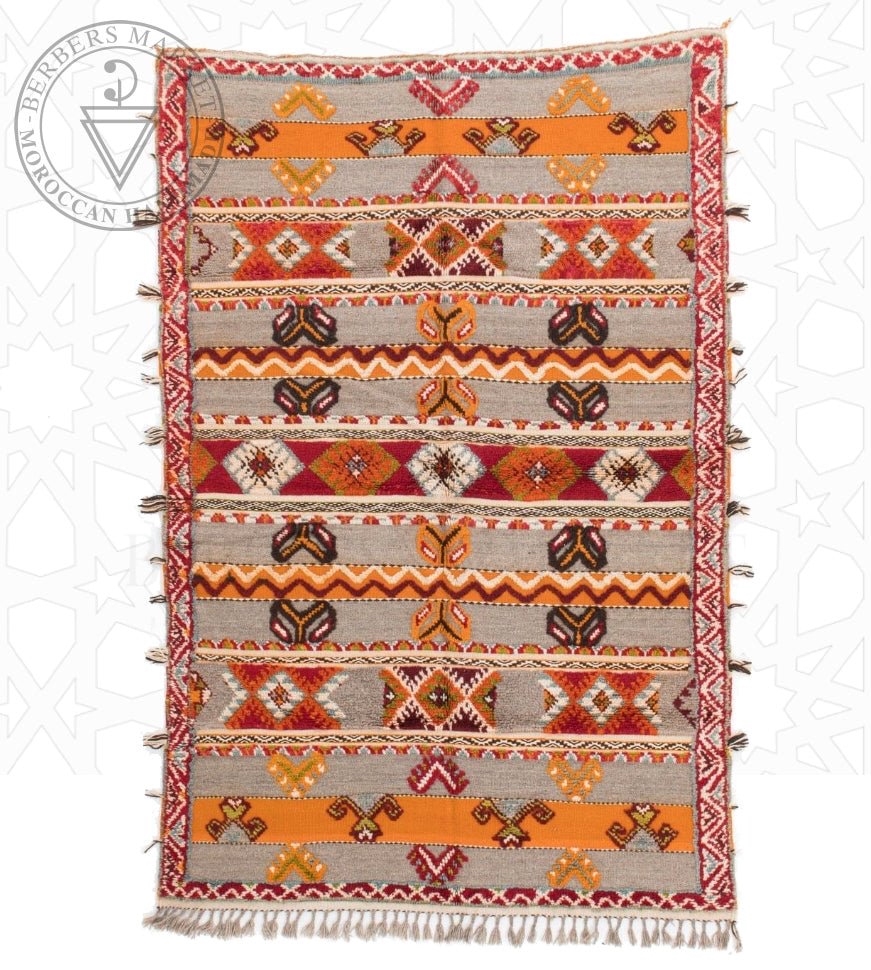
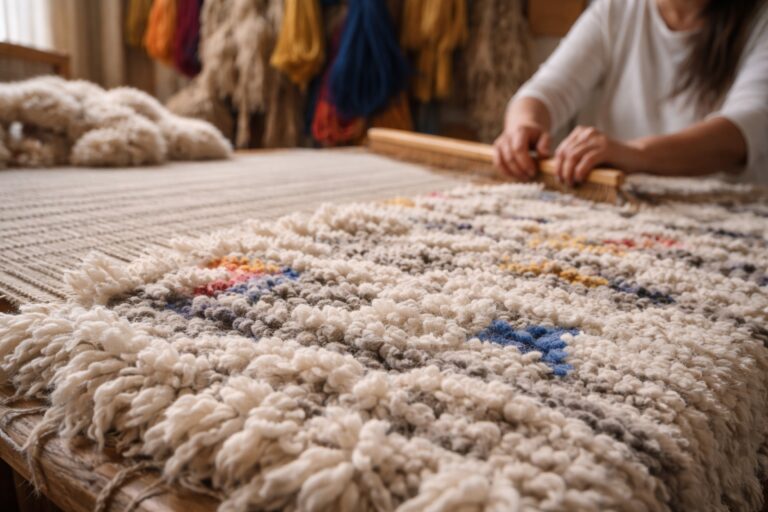
Moroccan kilim rugs are woven on traditional looms using a flatweave technique. There is no knotting, no backing, and no later assembly.
What you’ll usually find:
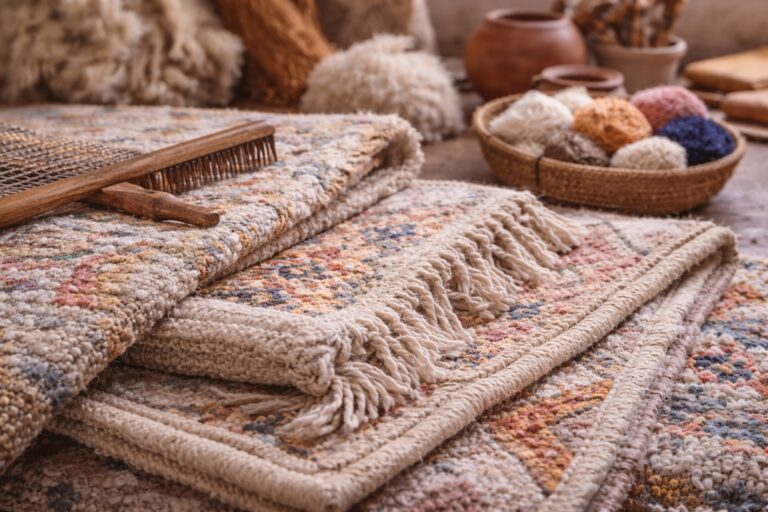
- Wool as the primary material
- Occasionally cotton for warp threads
- Tight, even weaving for durability
When you handle Moroccan kilims alongside flatweaves from other regions, one difference becomes clear: Moroccan kilims often prioritize strength and tension over perfect visual precision.
They’re meant to lie flat, bend easily, and hold up over time. The craftsmanship is quiet, not decorative for its own sake.
How Moroccan Kilims Are Actually Used
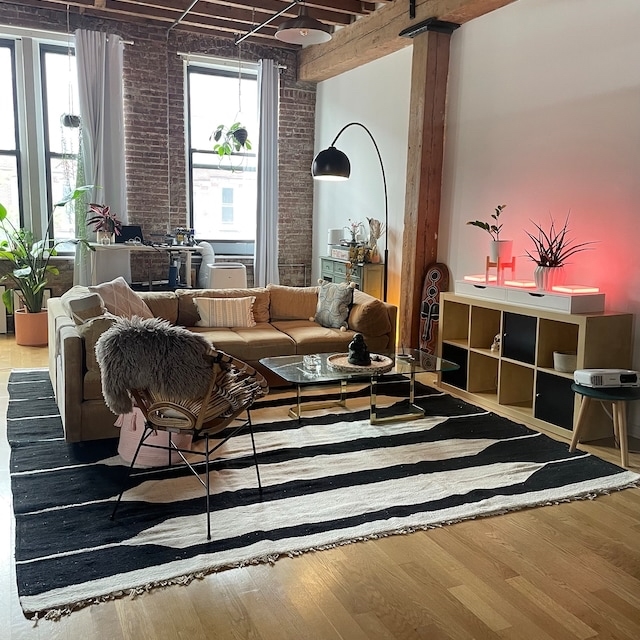
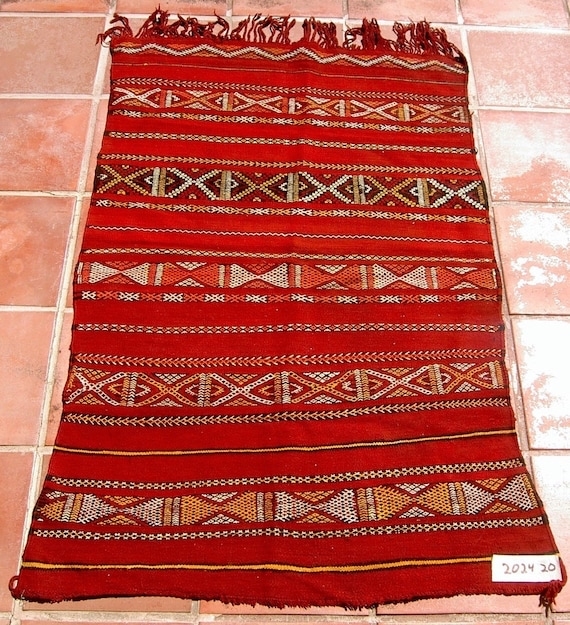
Moroccan kilims are not fragile decor pieces.
In everyday settings, they’re used:
- On floors, especially in warmer regions
- As wall textiles for insulation or decoration
- Draped over benches or seating
- Layered with thicker rugs for comfort
Their flat structure makes them lightweight and adaptable. You can fold them, move them, or repurpose them without worrying about damage.
This everyday versatility is often lost online, where kilims are styled as purely decorative “boho” accents rather than functional household textiles.
Moroccan Kilim vs Other Moroccan Rugs
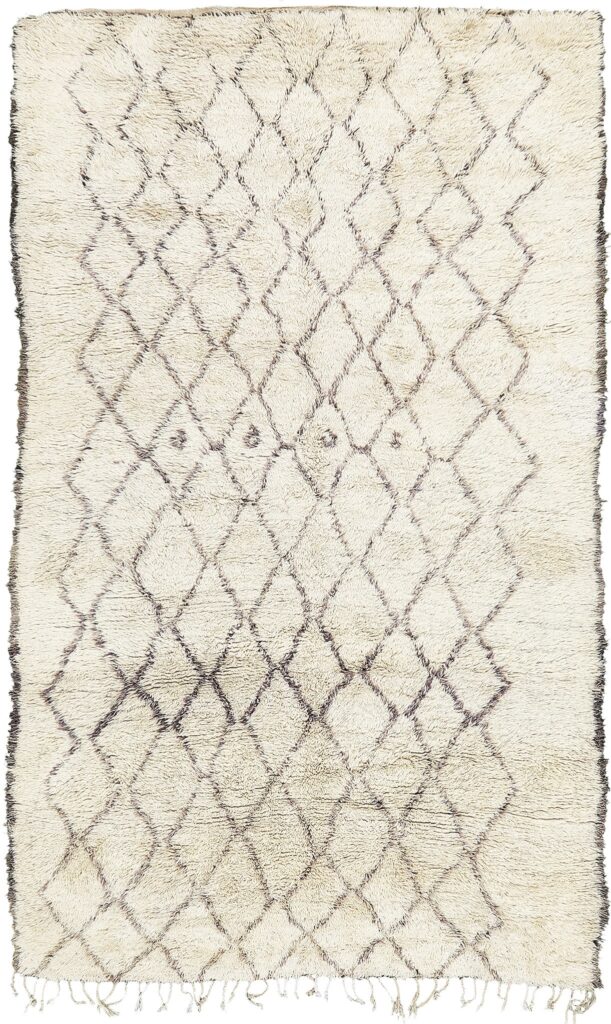
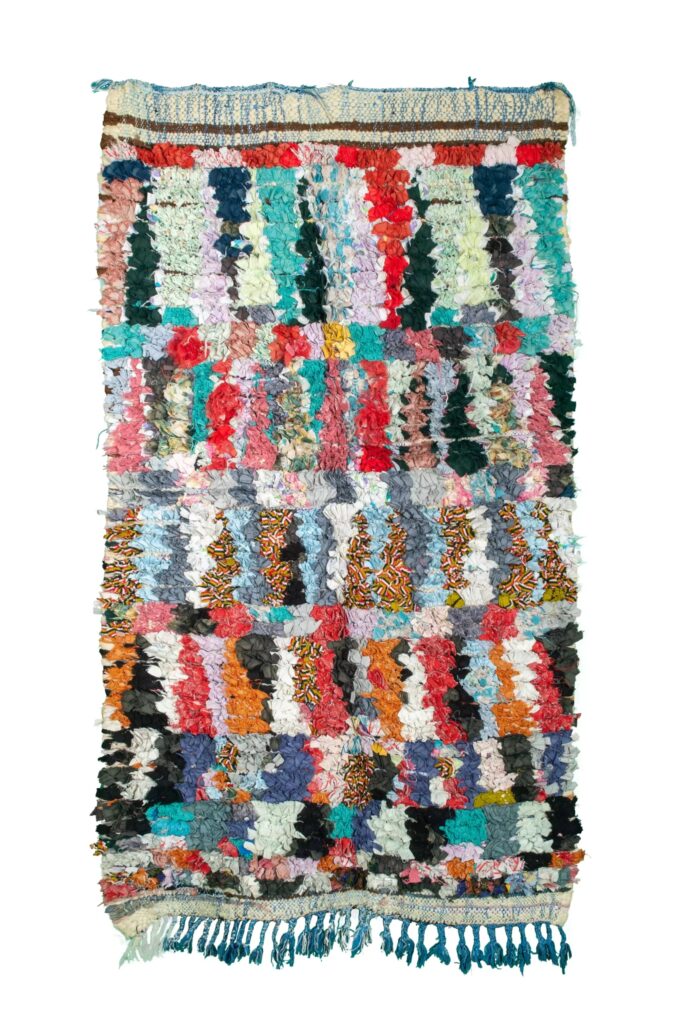
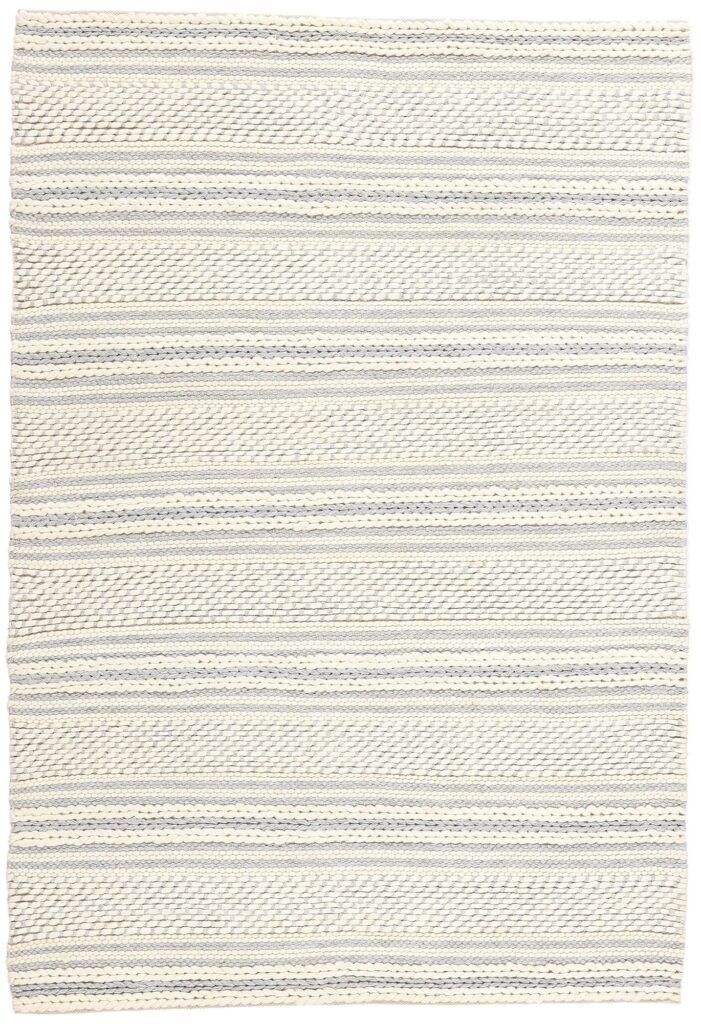
Understanding Moroccan kilims becomes easier when you compare them with other Moroccan rug types.
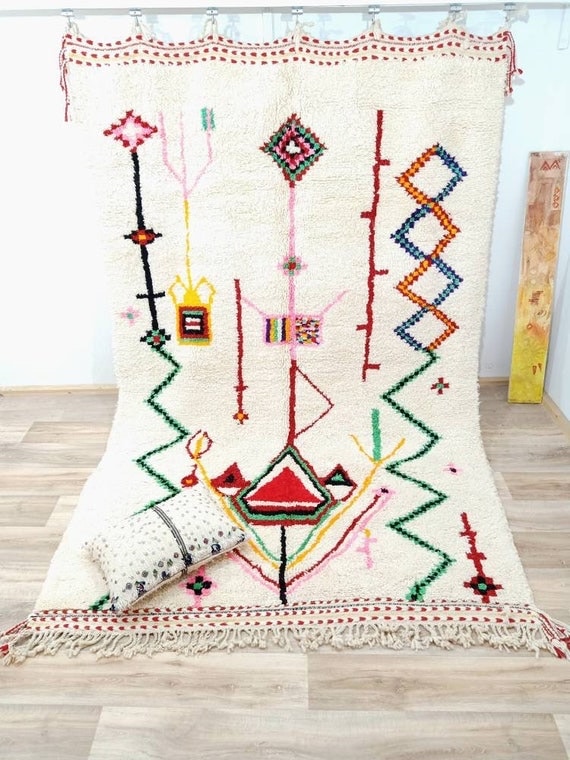
- Kilim vs Beni Ourain Beni Ourain rugs are thick, knotted, and soft. Kilims are thin, flat, and structured.
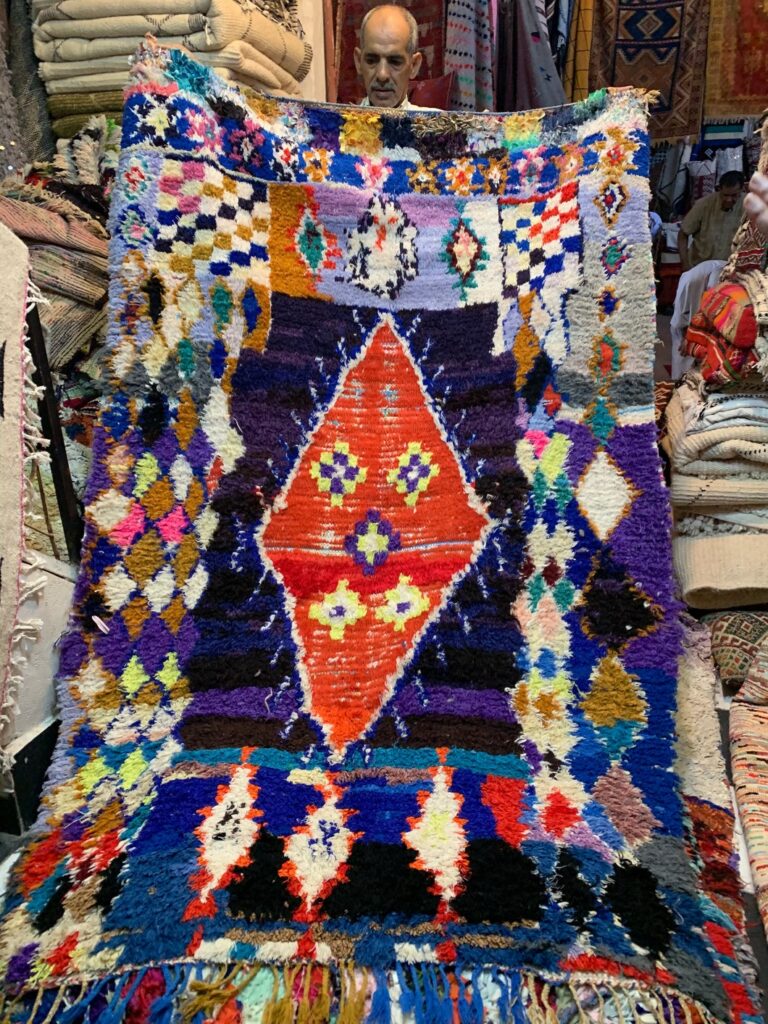
- Kilim vs. Boucherouite rugs are expressive and textured, made from recycled materials. Kilims are more restrained and material-driven.
- Flatweave vs pile Kilims don’t provide cushioning like pile rugs, but they’re cooler, lighter, and easier to maintain.
Each serves a different role. None is a substitute for the other.
Common Buyer Mistakes
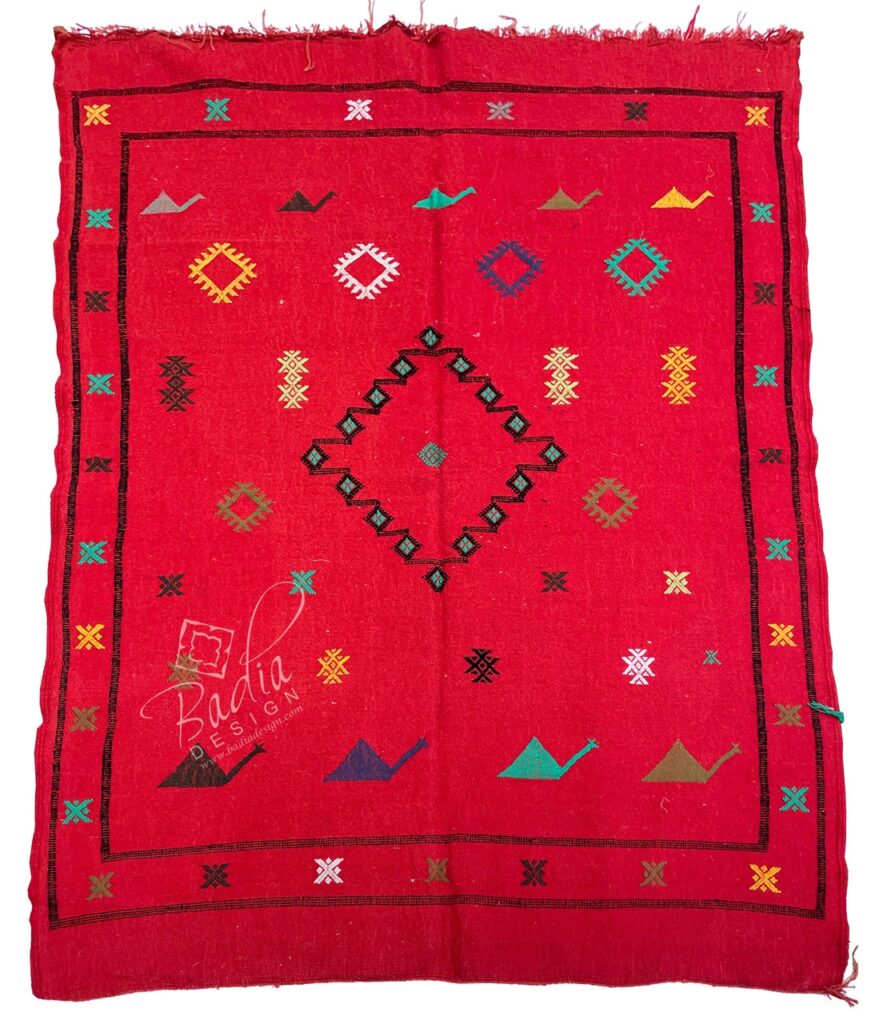
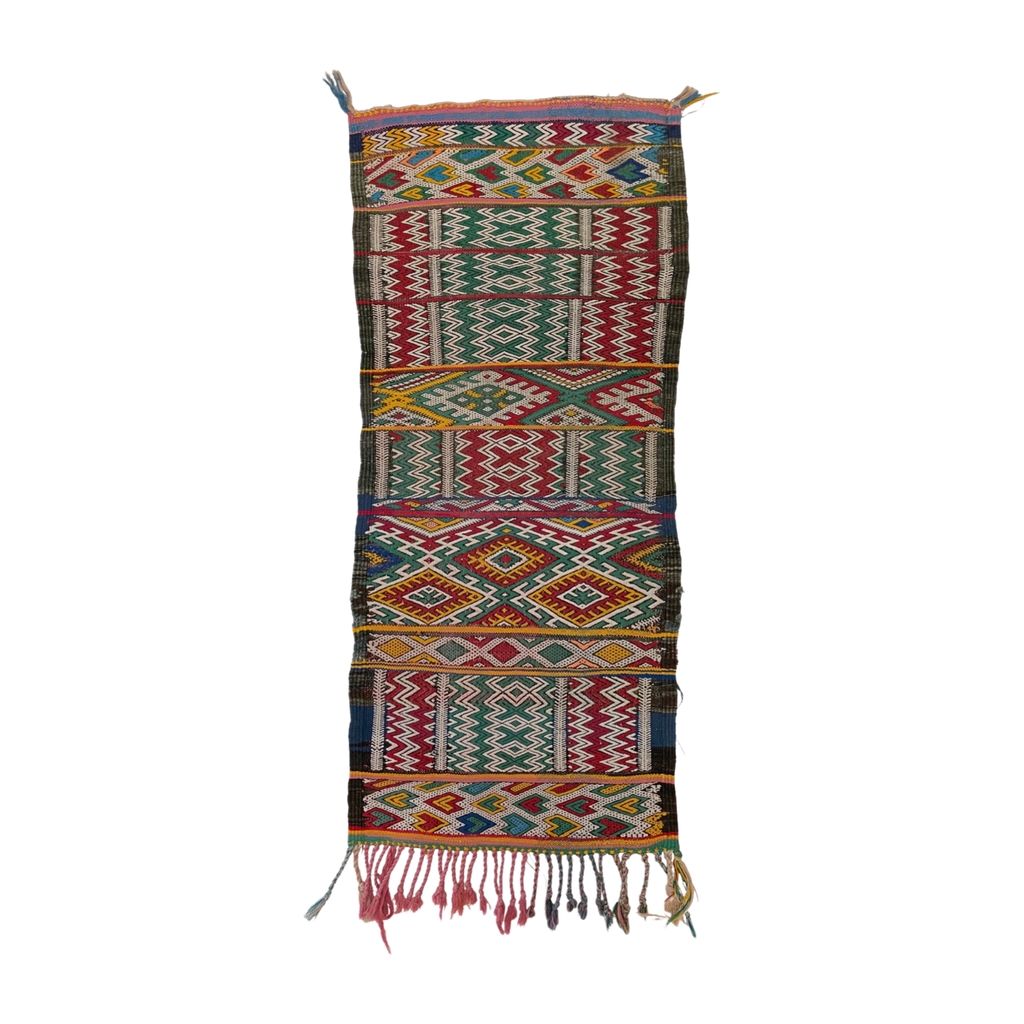
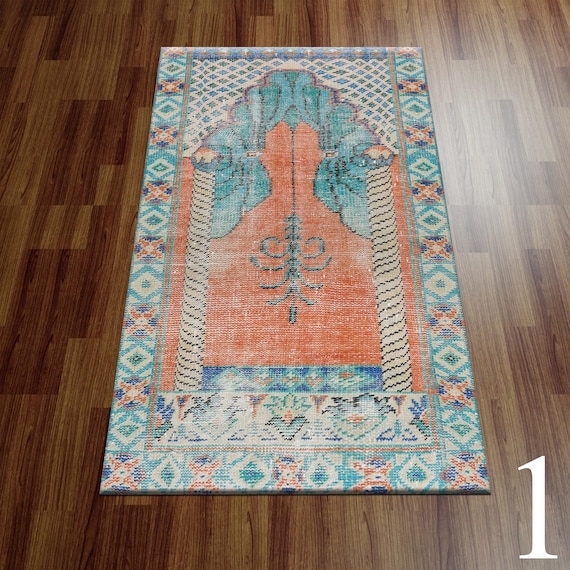
Many first-time buyers make similar assumptions:
- Assuming all flatwoven rugs are kilims
- Choosing based on pattern without checking weave density
- Buying decorative kilims and using them in high-traffic areas
Two kilims may look similar online but behave very differently in daily life. The difference usually lies in weave tightness and material quality, not design.
Understanding that distinction prevents disappointment.
How to Choose a Moroccan Kilim Rug (Without Overthinking)
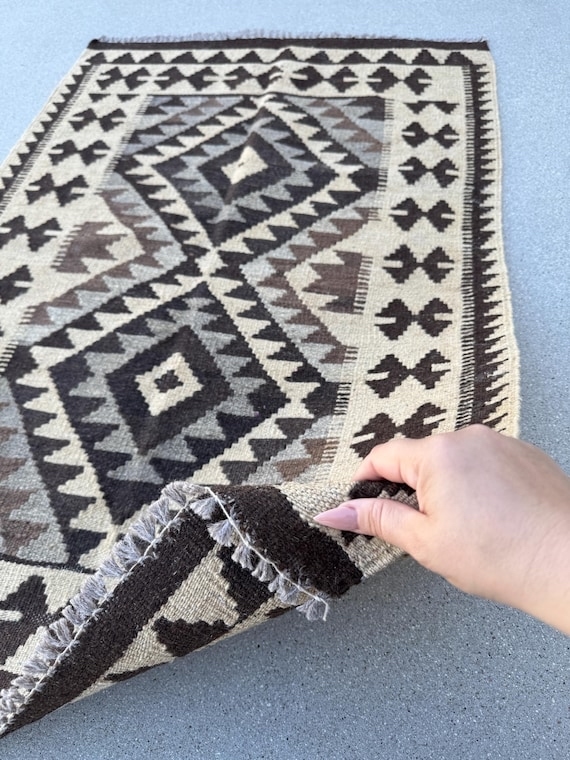
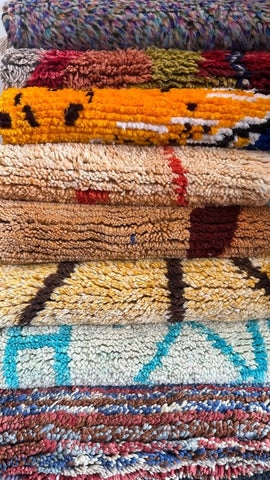
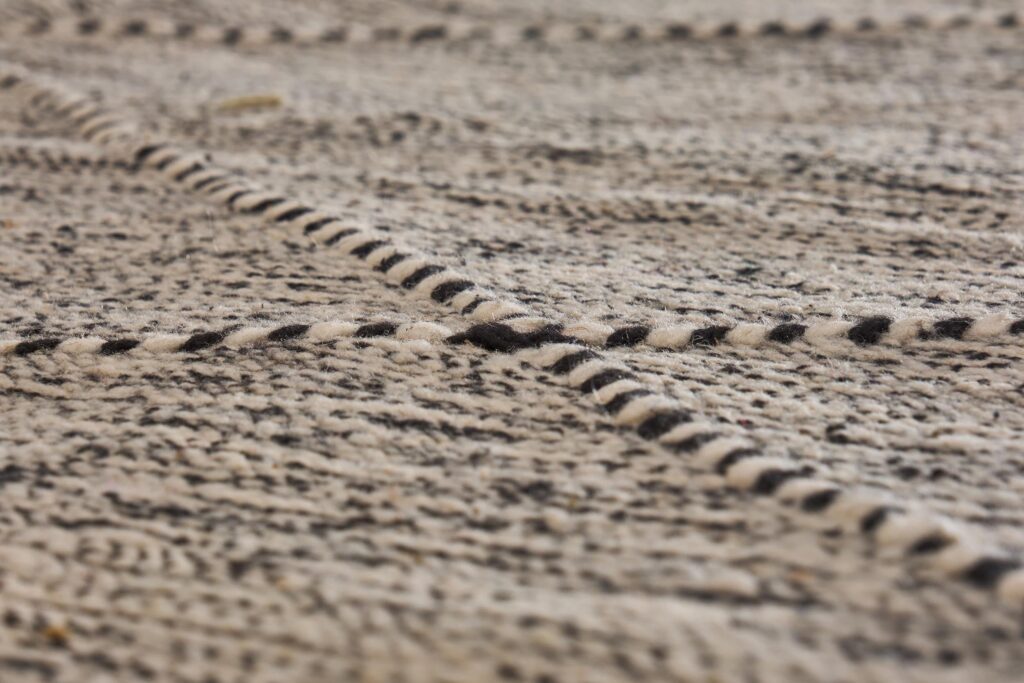
You don’t need to master rug terminology. A few practical checks go a long way.
Focus on:
- Tight, even weaving
- Natural wool fibers
- A use case that matches your space
Worry less about:
- Trend-driven color palettes
- Perfect symmetry
- Marketing labels like “vintage”
A lovely Moroccan kilim feels balanced and flexible—made to live with, not tiptoe around.
Final Thought—Understanding Before Owning
Moroccan kilim rugs are often misunderstood because they don’t fit neatly into global categories.
Once you see them as functional flatwoven textiles shaped by Moroccan daily life, the confusion fades. Their materials, construction, and use start to make sense—on their own terms, not someone else’s definition.
That understanding doesn’t push you toward a purchase.
It simply gives you confidence when you’re ready.