Authentic Moroccan Leather Bags: How to Spot the Real Craft Before You Buy
Introduction
If you’ve been looking at Moroccan leather bags online, chances are you’ve felt it already: hesitation.
The photos look excellent. The descriptions sound convincing. Everything claims to be authentic.
And yet, many buyers only discover the real differences after the bag arrives—when the leather feels off, the smell is unexpected, or the craftsmanship doesn’t quite match the promise.
That uncertainty is normal. Moroccan leather bags are widely copied, loosely labeled, and often misunderstood.
This guide isn’t here to push you toward a purchase. It exists to help you recognize authentic Moroccan leather craft—so you can make decisions with clarity, not pressure.
No hype. No shortcuts. The focus is solely on the materials, process, and experience involved.
1—What People Mean by “Moroccan Bags”
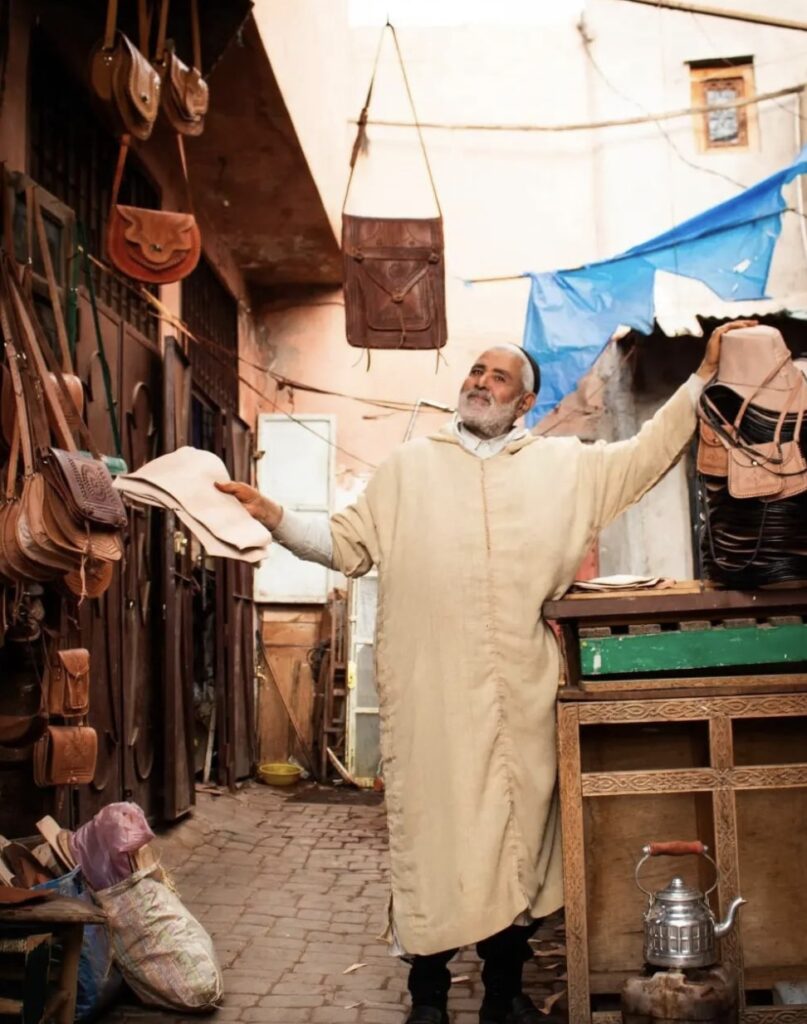
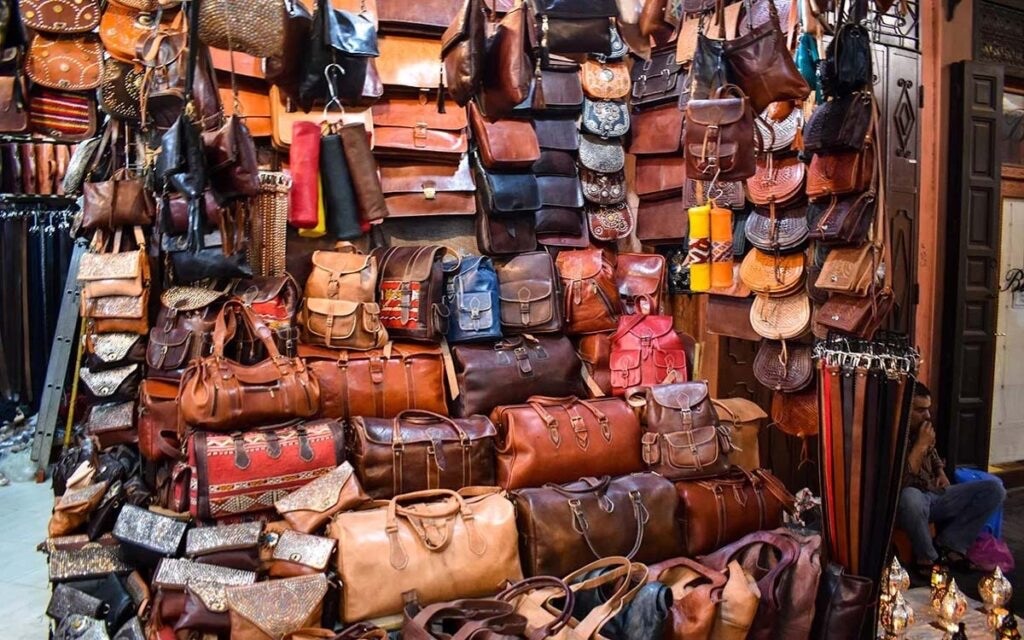
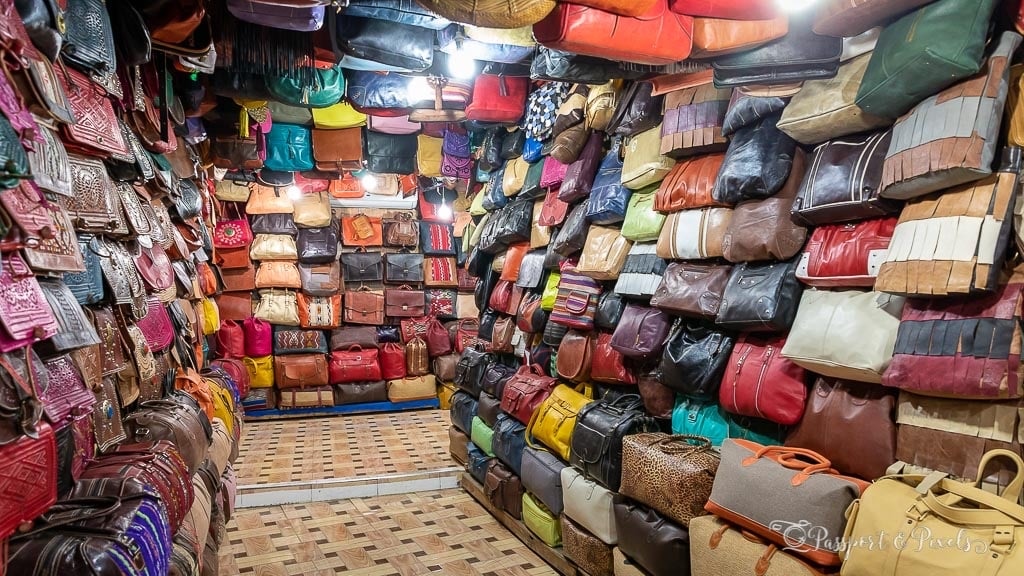
The word “Moroccan” gets used in completely unique ways—and that’s where confusion often begins.
In practice, a “Moroccan leather bag” can mean one of three things:
- Made in Morocco, by local artisans using traditional methods
- Inspired by Moroccan style, but produced elsewhere
- Mass-produced export goods, sometimes assembled in Morocco, sometimes not
Only the first category reflects what most people think they’re buying.
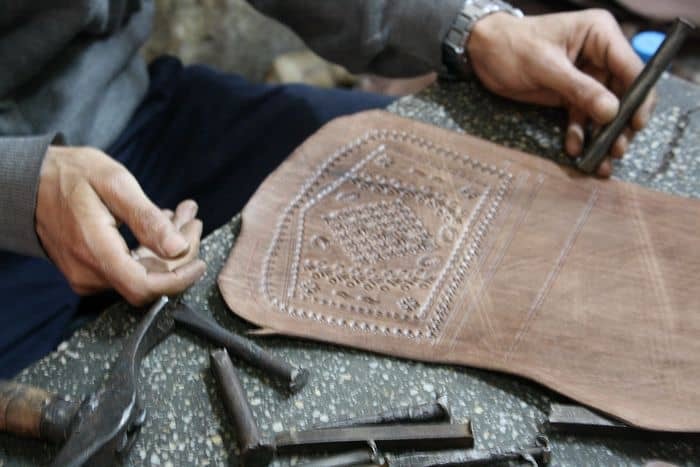
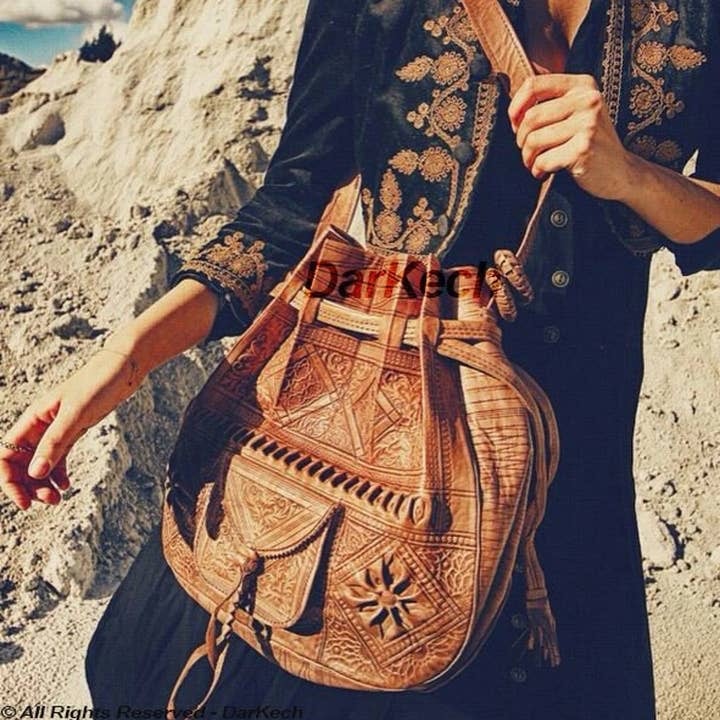
In cities like Fez and Marrakech, leatherwork still happens in small workshops. You’ll see hand-cut hides, uneven tables, and tools that look older than the shops themselves. Production is slower. Output is limited.
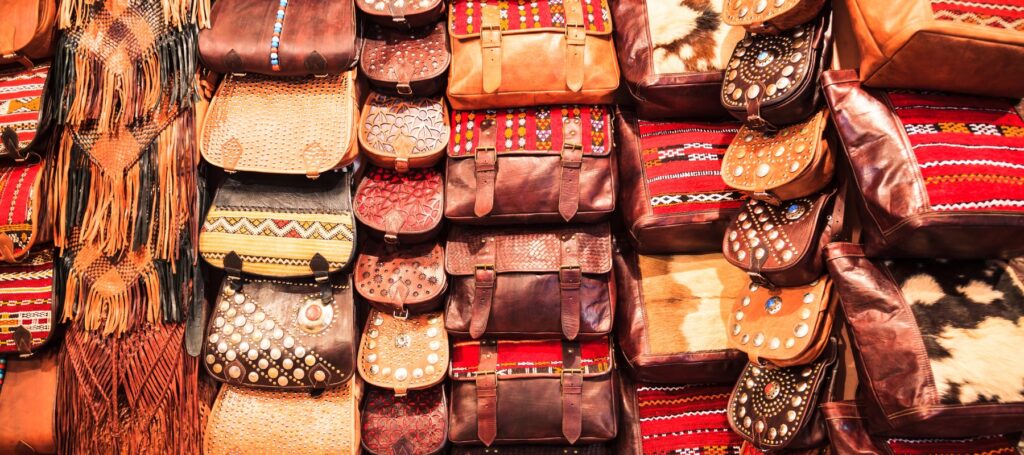
That’s very different from tourist stalls stacked high with identical bags—or online listings where “Moroccan” is reduced to a pattern or color palette.
Seeing these environments in person makes one thing clear: authenticity isn’t about style. It’s about how and where the bag was made.
2—How Authentic Moroccan Leather Bags Are Made
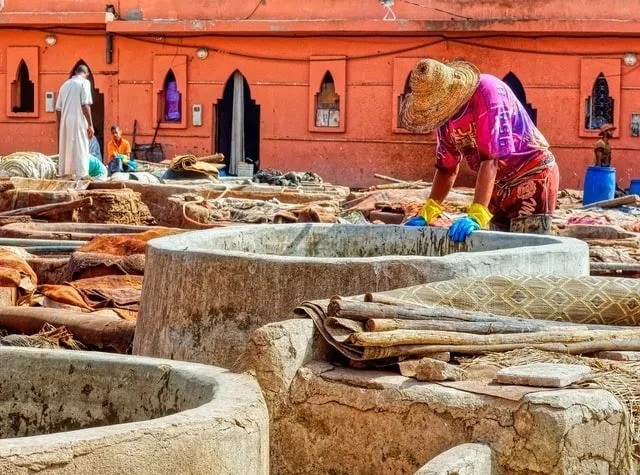
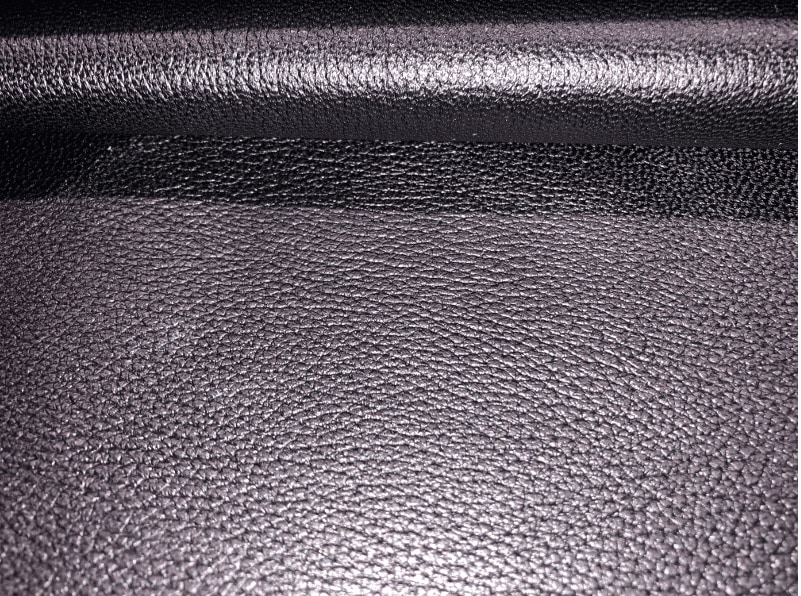
Authentic Moroccan leather bags start long before stitching or design. They start with vegetable tanning.
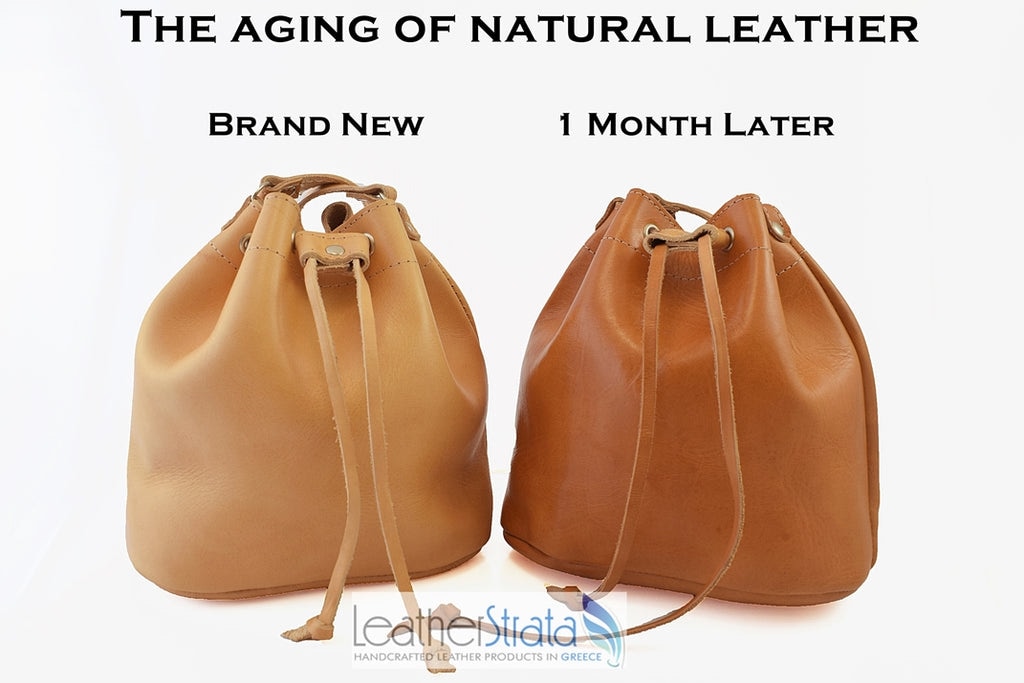
Vegetable-tanned leather uses natural tannins from plants instead of synthetic chemicals. The process takes longer, costs more, and produces leather that evolves rather than staying frozen in its original state.
In traditional workshops, leather is
- Hand-cut, not die-punched
- Hand-stitched, often with slight variations
- Finished with minimal surface treatment
Those variations are not defects. They’re evidence of manual work.
After handling both handmade and factory-produced bags side by side, the difference is subtle but unmistakable. Factory bags aim for visual perfection. Artisan bags prioritize durability and material honesty—even if that means small inconsistencies.
If a bag looks too flawless, it’s often because machines had more say than hands.
3—Real Leather vs Faux: How to Tell the Difference
Many buyers worry most about this part—and rightly so.
Here are practical checks that actually help.
Smell
Vegetable-tanned leather has a strong, organic smell at first. It often fades within weeks. Faux leather smells neutral or chemical—and never really changes.
Grain
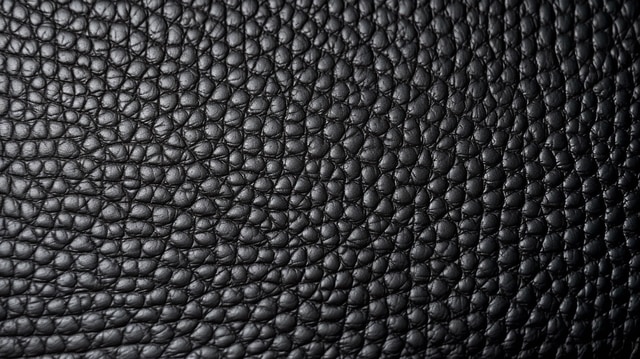
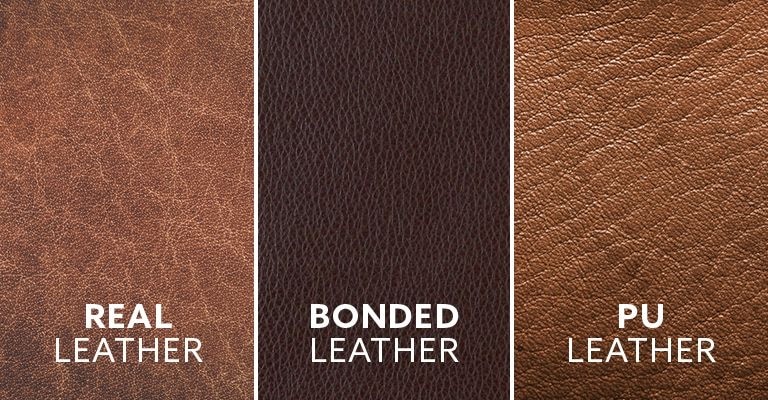
Real leather grain is irregular. No two panels look exactly the same. Faux leather repeats patterns unnaturally.
Lining
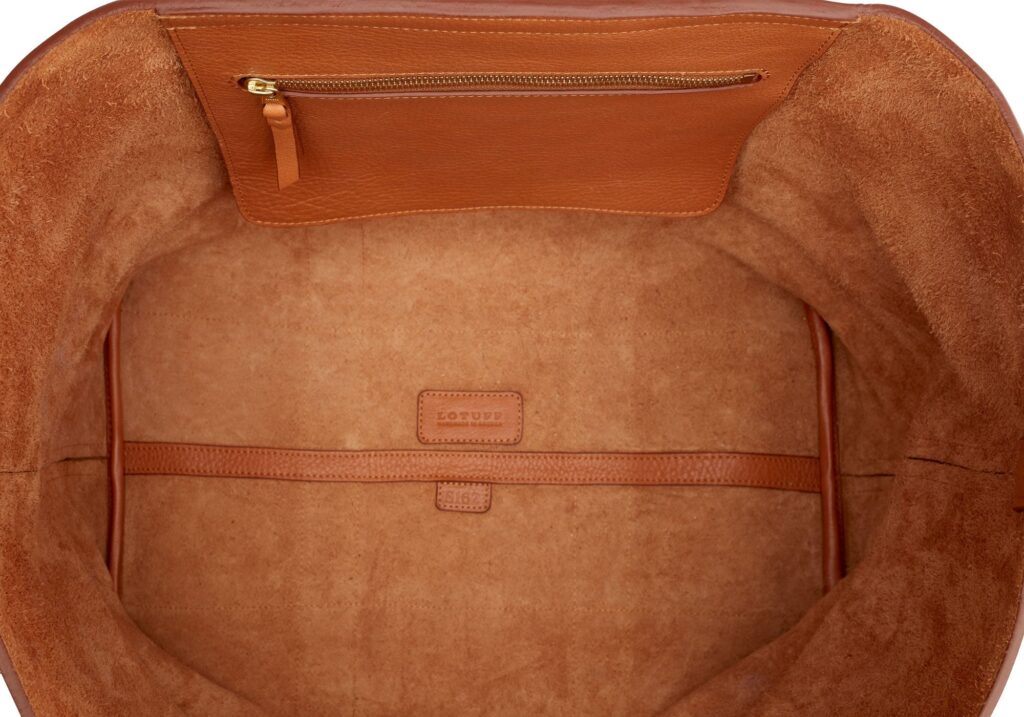
Many authentic Moroccan bags are unlined. This lack of lining surprises buyers who are accustomed to fabric interiors, but it is a common and intentional feature.
Weight and stiffness
New vegetable-tanned leather feels firm and slightly heavy. It softens with use. Faux leather stays light and unchanged.
A common disappointment comes from expecting softness immediately. Authentic leather earns comfort over time.
4—What Quality Looks Like (And What It Doesn’t)
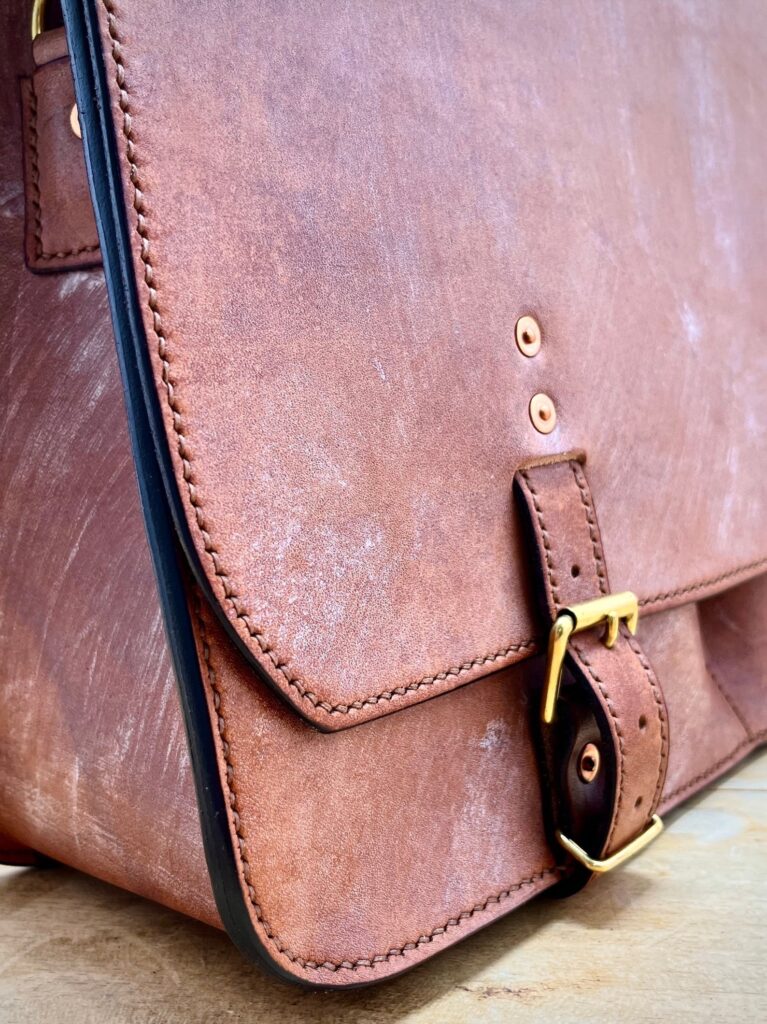
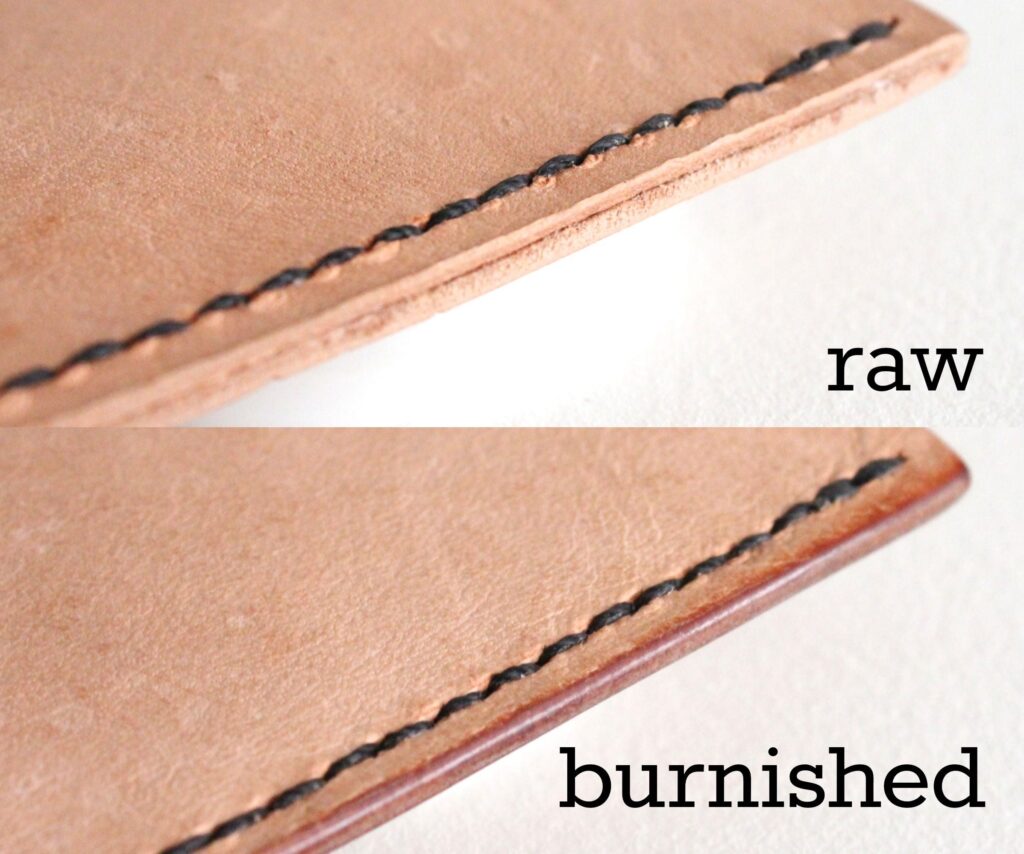
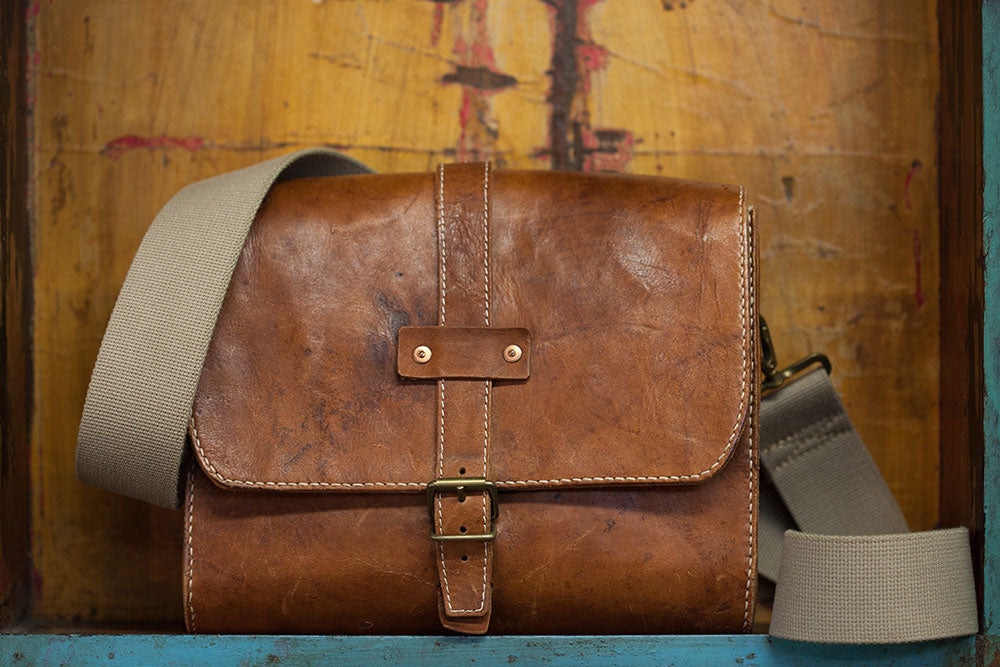
Quality in Moroccan leather bags isn’t about perfection. It’s about coherence.
Here’s what to look for:
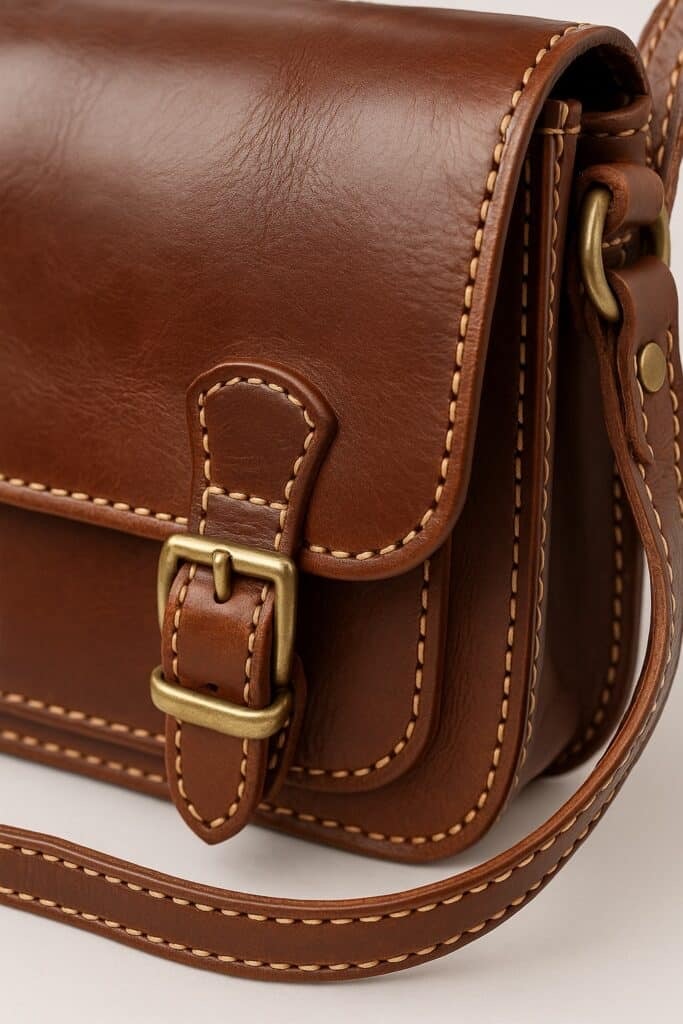
- Stitching: consistent spacing, even if not perfectly straight
- Edges: burnished or folded, not raw or peeling
- Hardware: simple brass or metal; slightly imperfect is normal
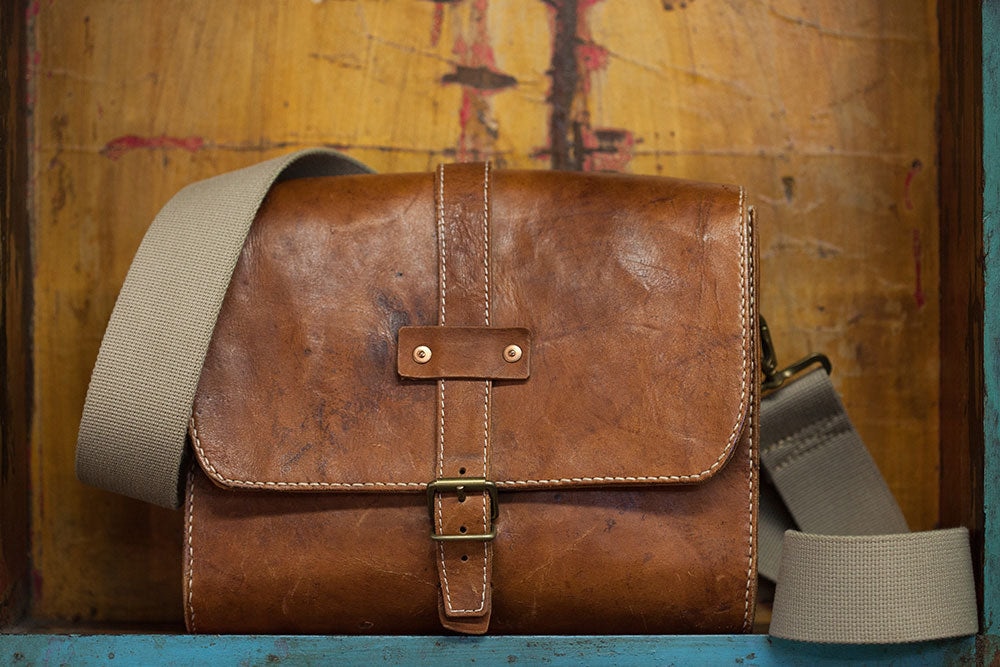
- Aging: leather should darken and develop patina, not crack or flake
Bags that aged well do so quietly. The leather deepens in color, softens at stress points, and becomes more personal over time.
Bags that fail usually show it quickly—fraying seams, surface cracking, or separating layers.
5—Price, Value, and the “Too Cheap” Trap
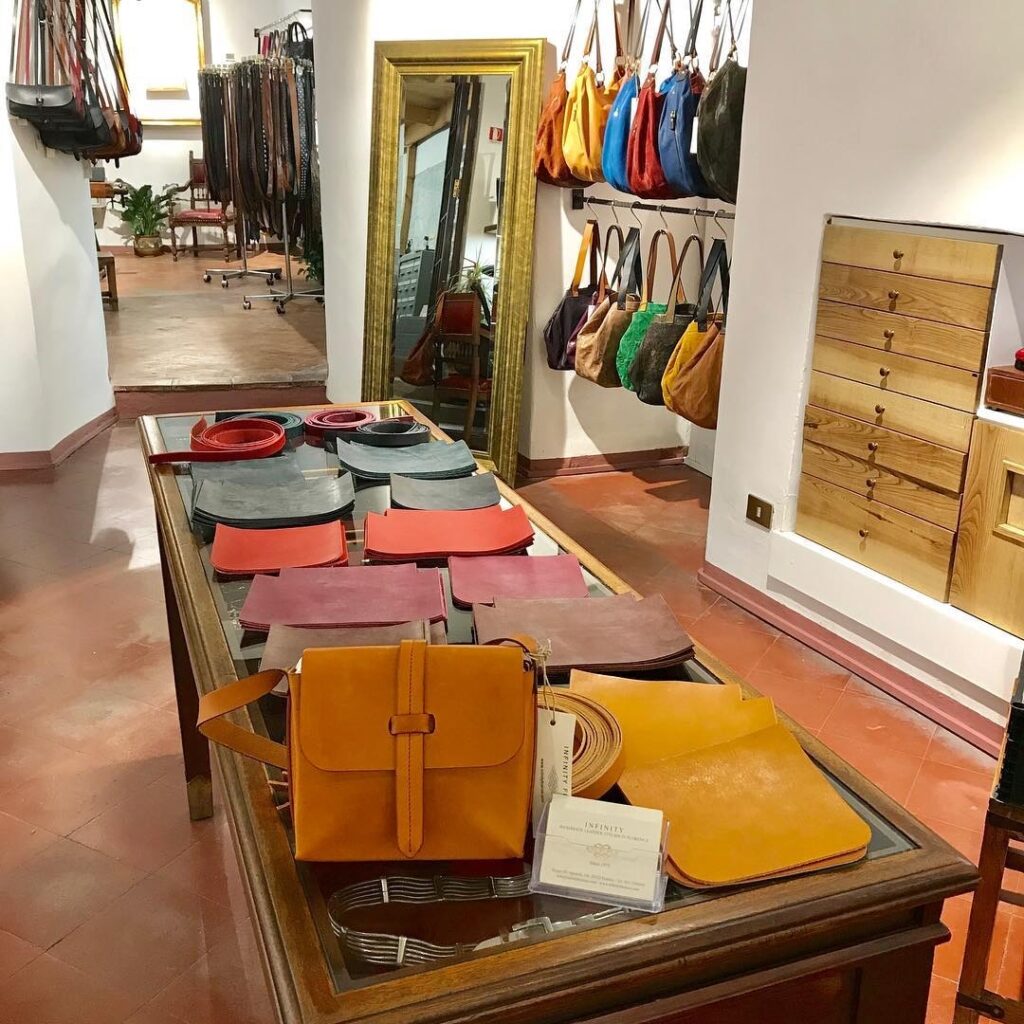
Vegetable-tanned leather is expensive. Hand labor adds more cost. There’s no way around that.
That doesn’t mean high prices guarantee authenticity—but very low prices usually signal shortcuts.
From real market observation:
- Handmade bags cost noticeably more than tourist-grade items
- Online prices vary widely depending on sourcing transparency
- Branding often inflates price without improving materials
The real value lies in longevity, not trend alignment. An authentic Moroccan leather bag often outlives several cheaper alternatives.
6—How to Buy Authentic Moroccan Bags Online (Safely)
Buying online removes touch, smell, and weight—but not all signals disappear.
Look for:
- Clear explanations of where and how the bag is made
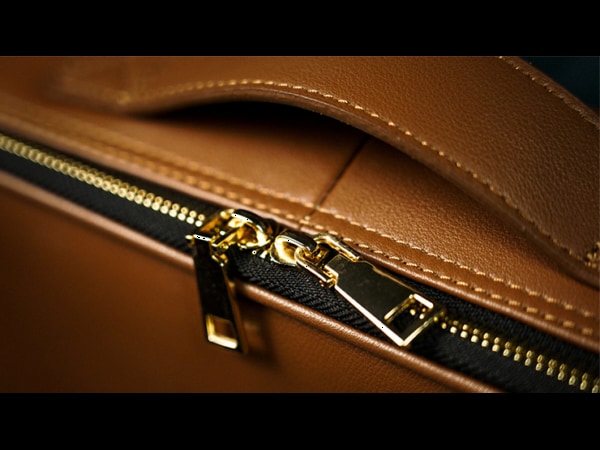
- Close-up photos of leather grain and stitching
- Plain language about materials (not buzzwords)
Watch out for phrases like
- “Genuine style”
- “Inspired by Moroccan design”
- “Leather look”
Equally important: return policies. Authentic sellers aren’t afraid of inspection.
What’s often missing from listings is process. When the process is unclear, authenticity often diminishes as well.
7—Who Authentic Moroccan Leather Bags Are (and Aren’t) For
These bags suit people who:
- Appreciate slow fashion
- Value longevity over trend cycles
- Enjoy materials that change with use
They’re not ideal for everyone.
Some buyers dislike:
- Initial stiffness
- Leather scent
- Natural marks and variations
I’ve seen both reactions. Some people fall in love as the bag ages. Others never get past the first weeks.
Neither response is wrong—just different expectations.
Final Thought
Authentic Moroccan leather bags aren’t about branding or seasonal appeal.
They’re about materials chosen patiently, hands working without templates, and time doing its quiet work afterward.
Once you understand that, buying becomes less stressful—and far more intentional.
If you’d like to go deeper, explore related guides on leather authenticity and care. The more you know, the less you need to be sold to.