Berber Pottery Explained: Symbols, Uses, and Authentic Craftsmanship
Why This Pottery Feels Different
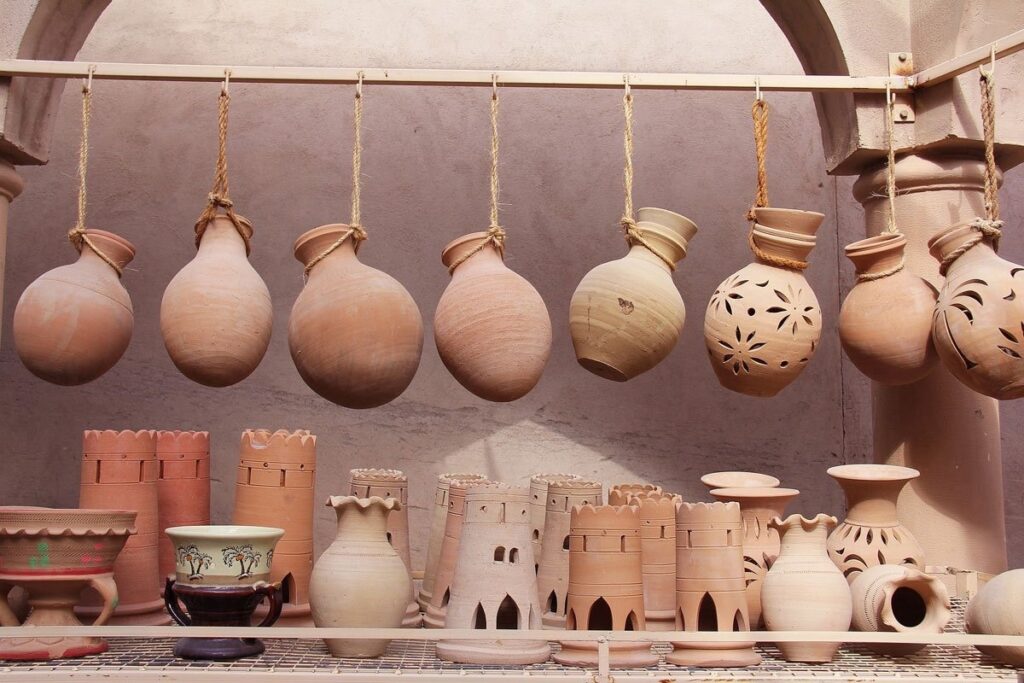
Berber pottery doesn’t try to stand out.
It waits to be noticed.
Shaped from local clay and fired in open air, these objects were never meant to decorate shelves or follow trends. They were made to be used—to carry water, store food, cook meals, and support daily life. Their quiet presence comes from purpose, not polish.
In a market full of “Moroccan-style” decor, Berber pottery feels different because it is different. It carries the weight of hands, habits, and generations. To understand it is to move beyond aesthetics—and into meaning.
What Berber Pottery Really Is (And What It Is Not)
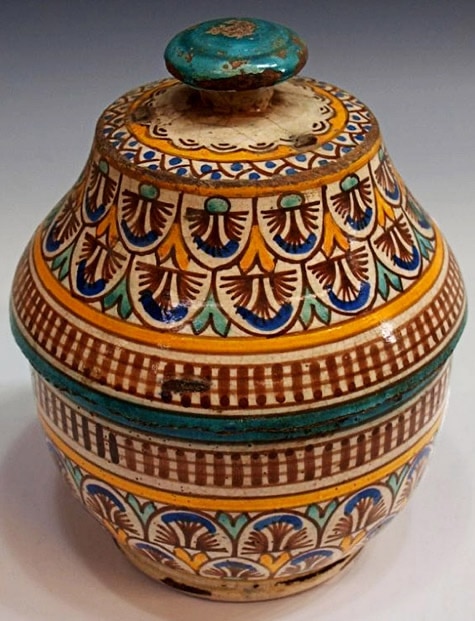
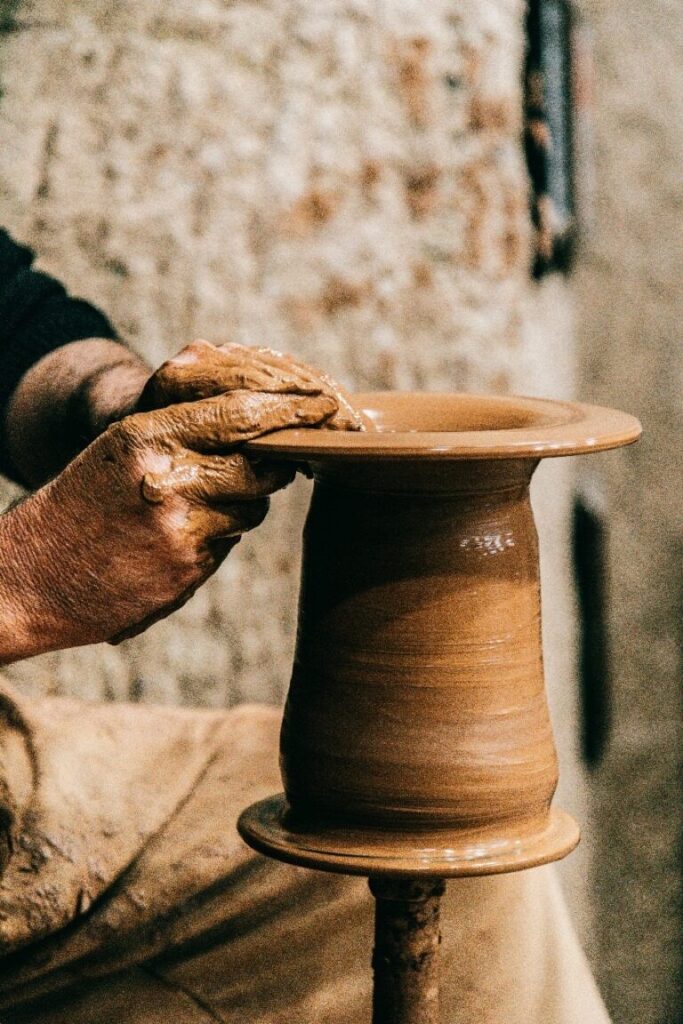
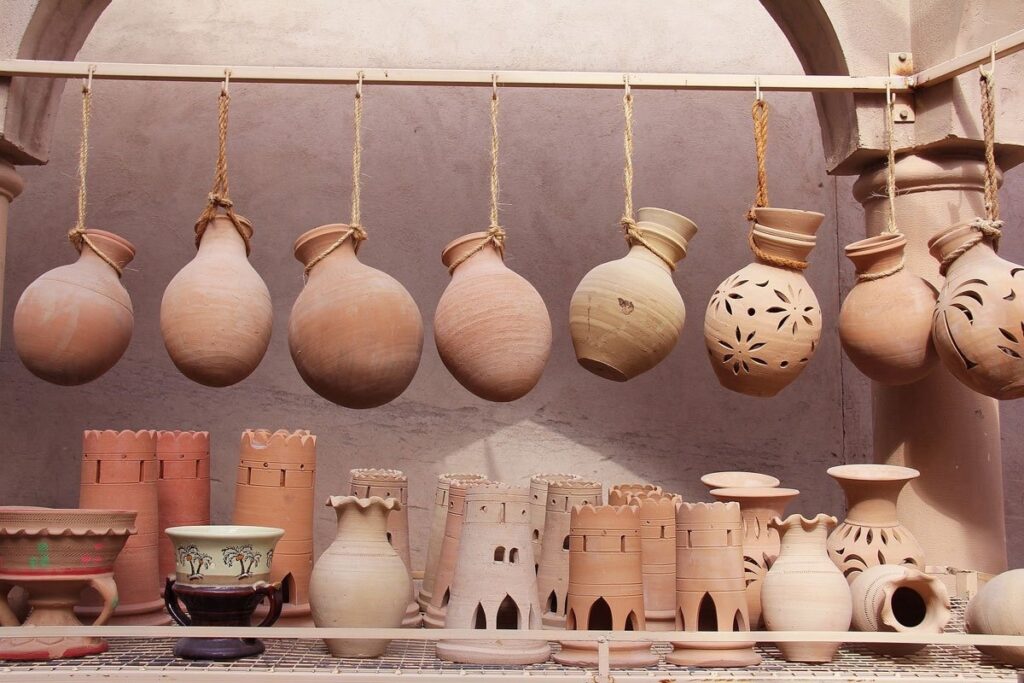
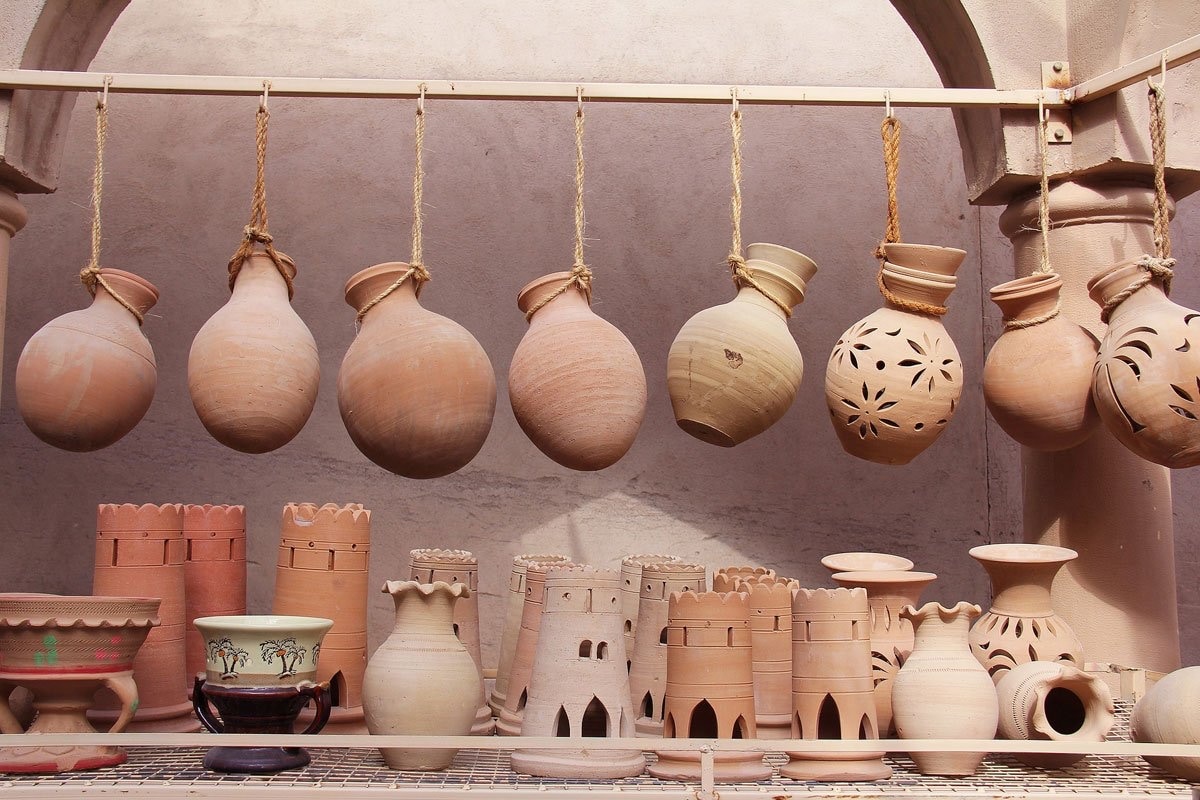
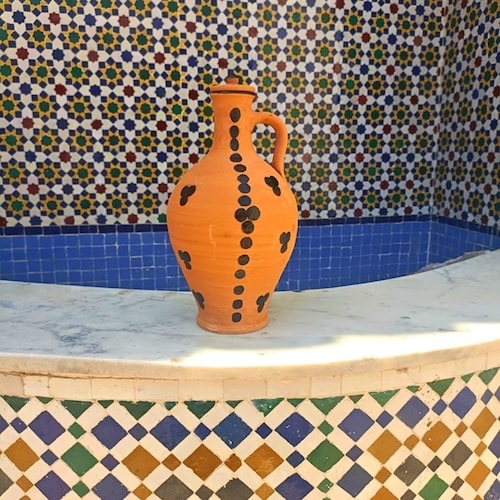
Berber pottery is handmade earthenware made by Amazigh people living in rural Morocco. These pieces were made outside of cities where ceramics are made. They were shaped in homes, often by women, using techniques that have been passed down orally for generations.
Function always came first. Pots were made to last through heat, time, and daily use. When there was decoration, it was more for protection or symbolism than for looks. Hand marks, matte surfaces, and irregular shapes are not flaws; they are signs of authenticity.
Berber pottery is handmade, unique, and timeless. Its beauty comes from being useful, varied, and restrained—traits that are still important in modern spaces.
The Hands, the Clay, the Fire: How It’s Made
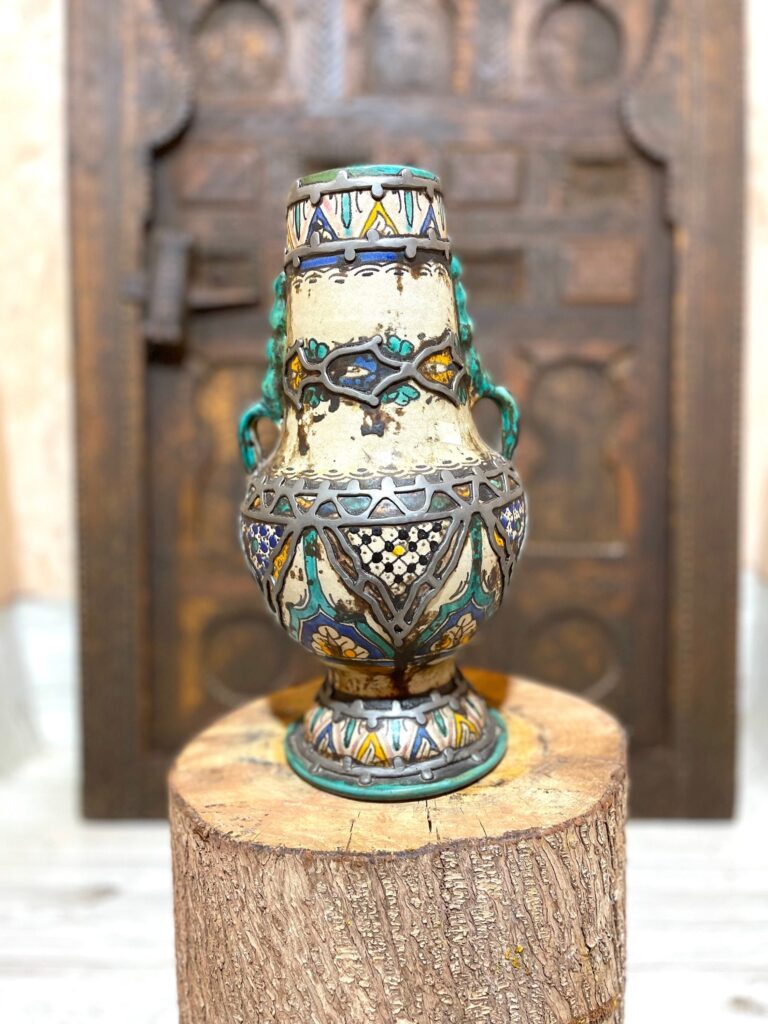
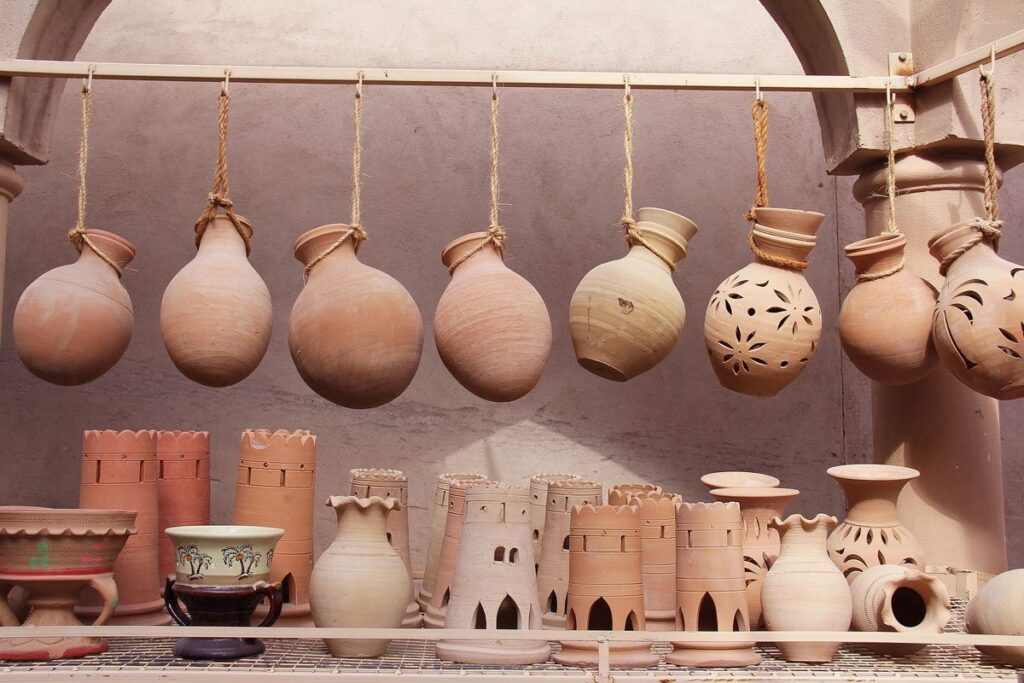
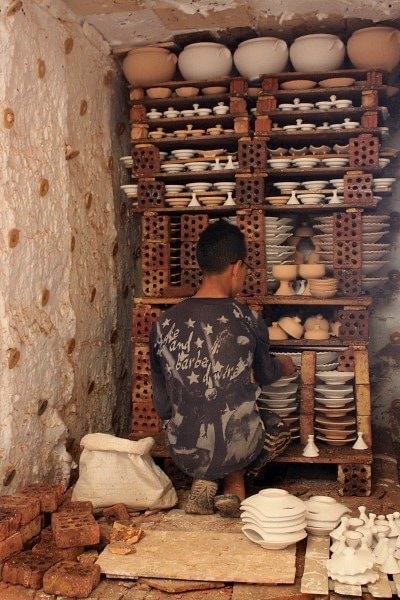
Berber pottery is made from local clay, gathered and prepared by hand. Artisans shape each piece using simple hand-building techniques, most often the coil method, without the use of a wheel. The form grows slowly, based on what the artist has learned rather than what they have measured.
Firing is done in open air or shallow pits, using wood or natural fuel. This process creates natural variations in color and texture—darkened areas, soft tones, and irregular surfaces that reflect the fire itself.
These variations are not flaws. They are the visible record of the making, and they are the reason every piece feels grounded, honest, and unique.
Symbols That Speak Without Words
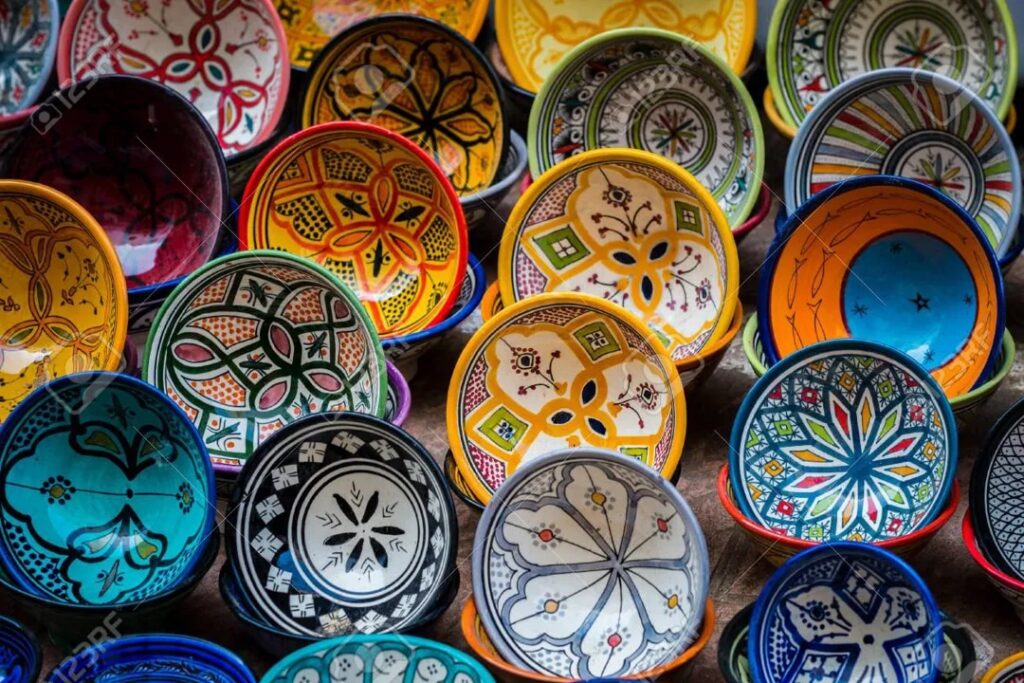
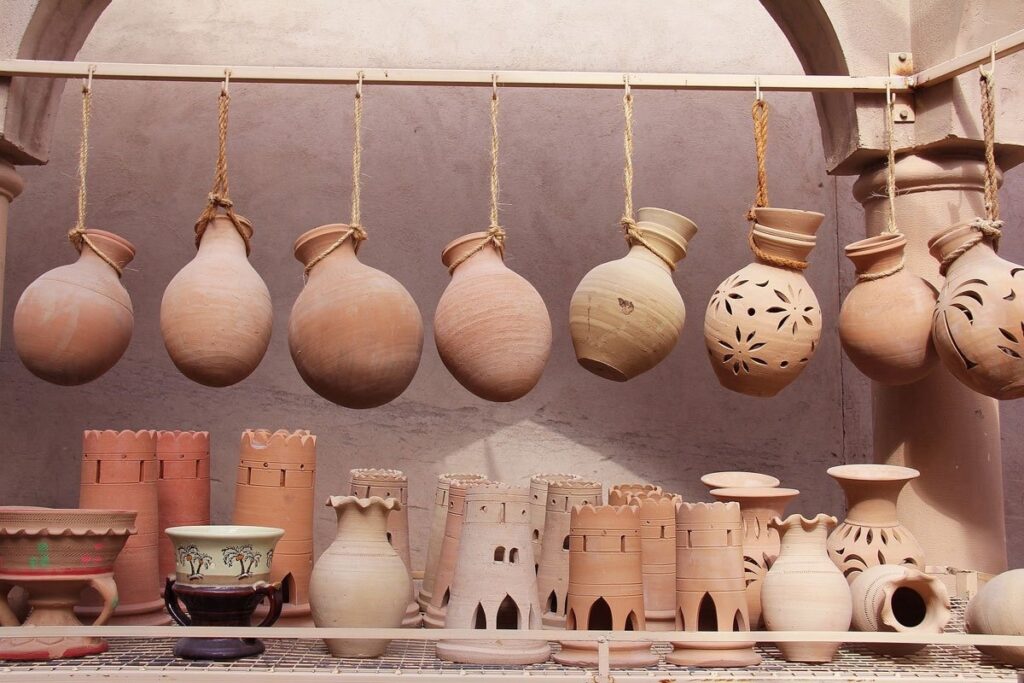
People in the Berber culture make pottery by hand from clay that they obtain and prepare. Artisans shape each piece by hand, usually using the coil method, and they don’t use a wheel. The form grows slowly, based on what the artist has learned rather than what they measure.
People fire things in the open air or in shallow pits with wood or other natural fuel. This process changes the color and texture of the material in a natural way, creating dark spots, soft tones, and uneven surfaces that look like the fire itself.
These differences are not mistakes. These variations serve as tangible evidence of the crafting process, infusing each piece with a sense of authenticity, groundedness, and uniqueness.
Everyday Objects Turned Timeless
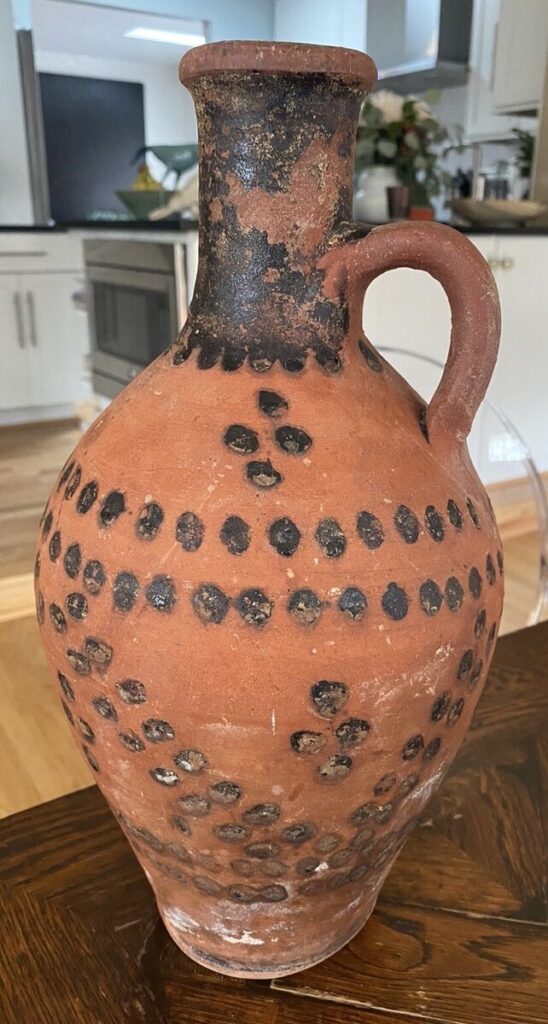
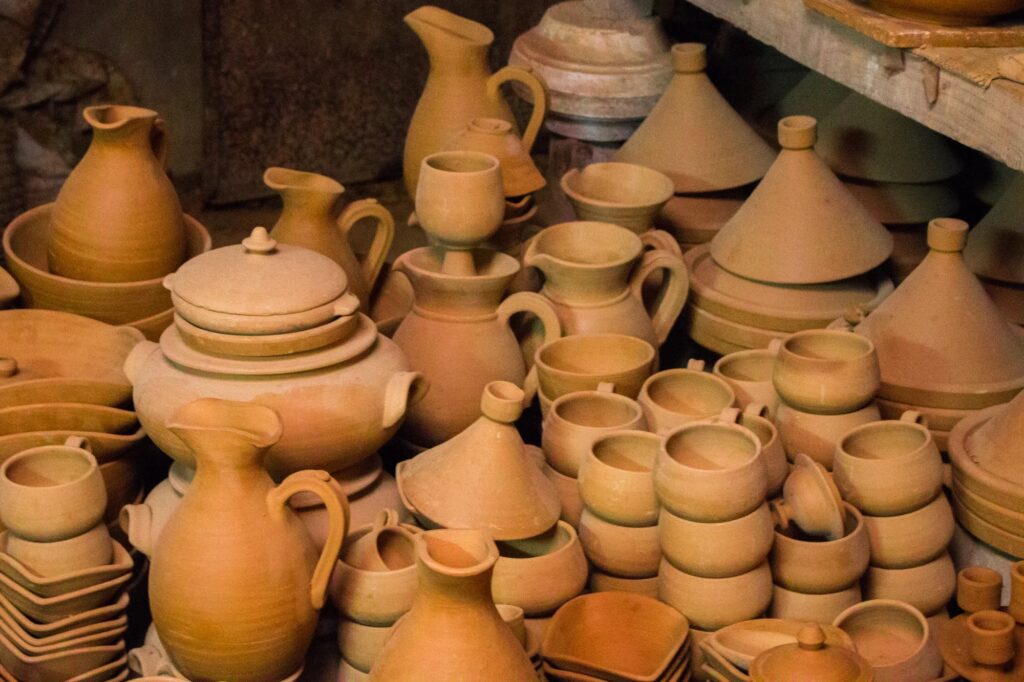
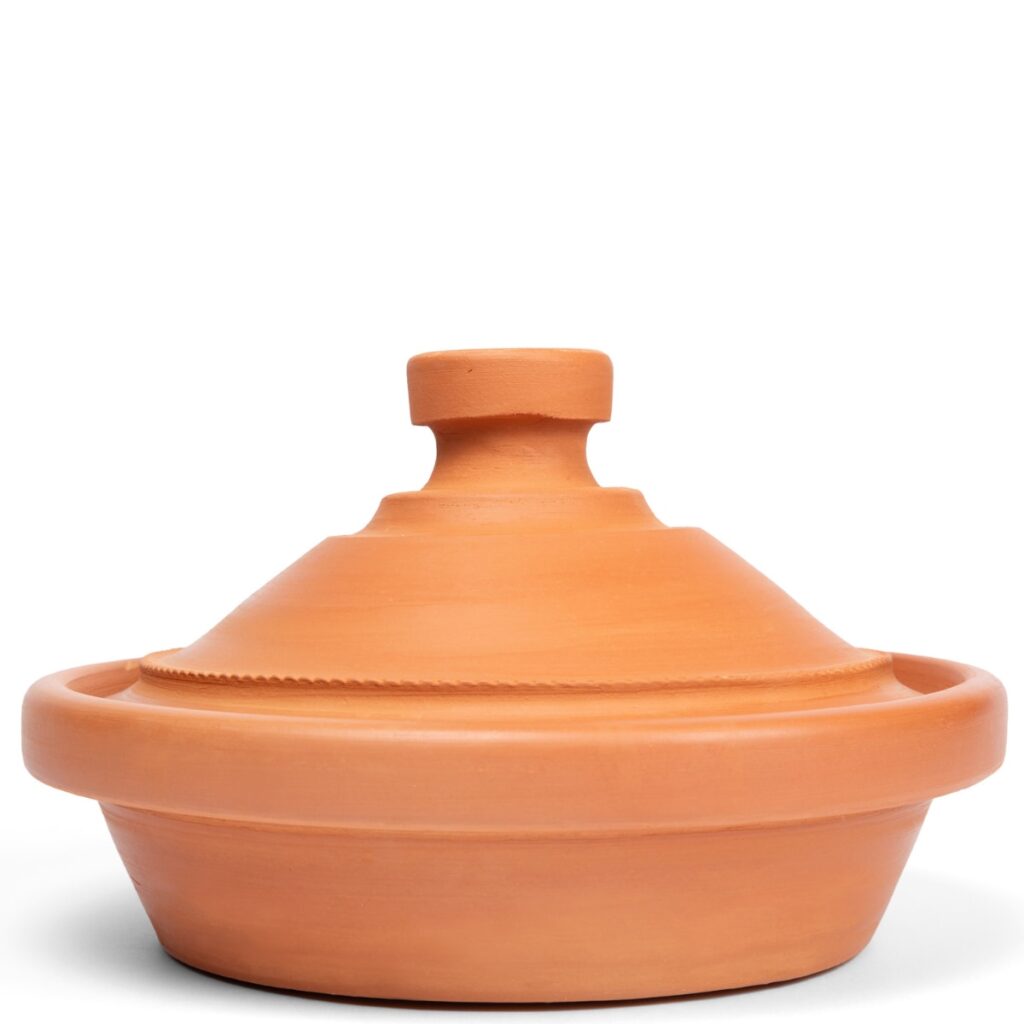
Berber pottery was created for daily use, not display. Cooking pots, water jars, storage vessels, and milk containers were shaped to support everyday tasks, often in demanding environments.
Because these objects were handled, heated, and moved daily, they naturally bear signs of wear. Surface irregularities, softened edges, and subtle patina are part of their story. Rather than diminishing their value, time deepens it.
Free from trends and ornamentation, these pieces feel timeless because they were shaped by real needs. Their beauty lies in honesty, restraint, and long-term use.
How to Use Berber Pottery in a Modern Home (Without Over-Styling)
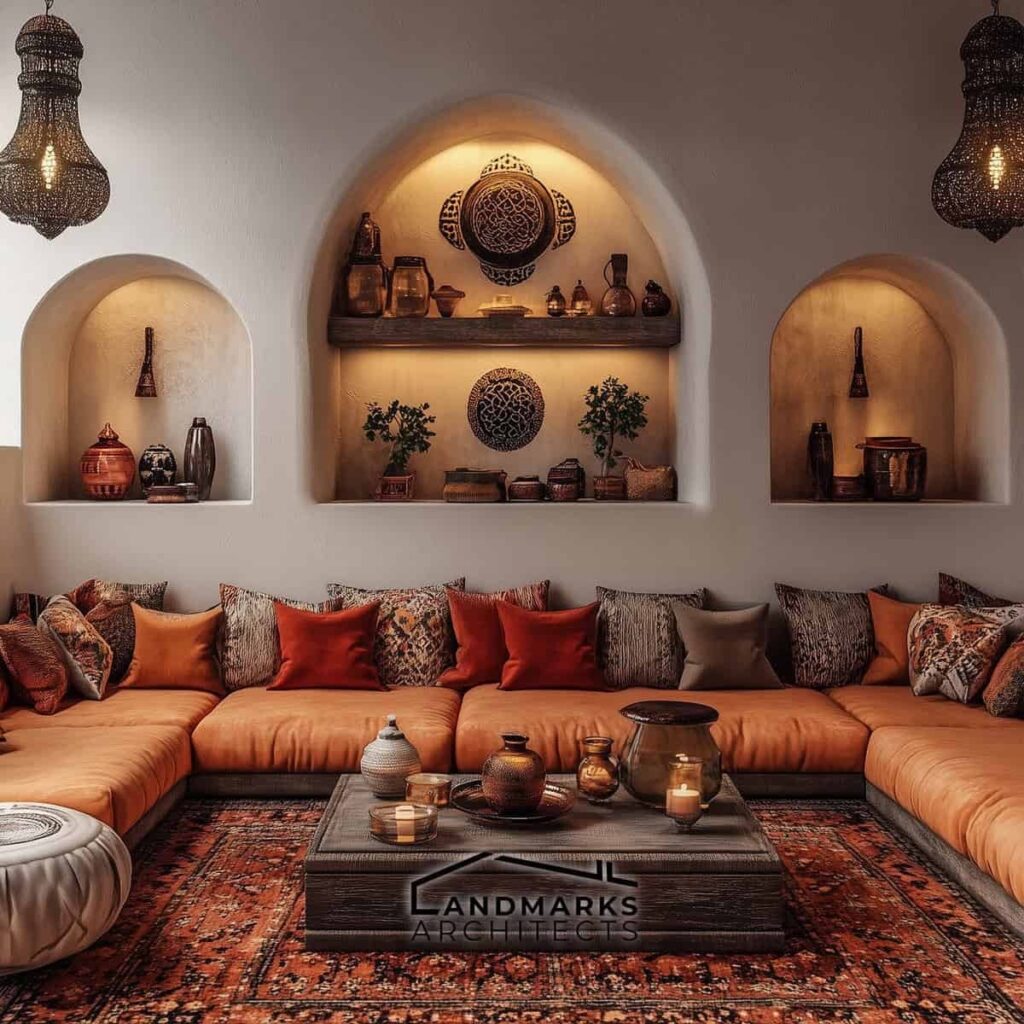
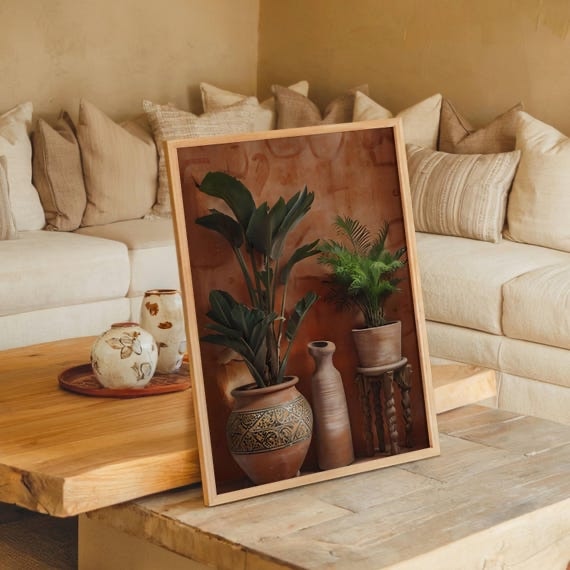
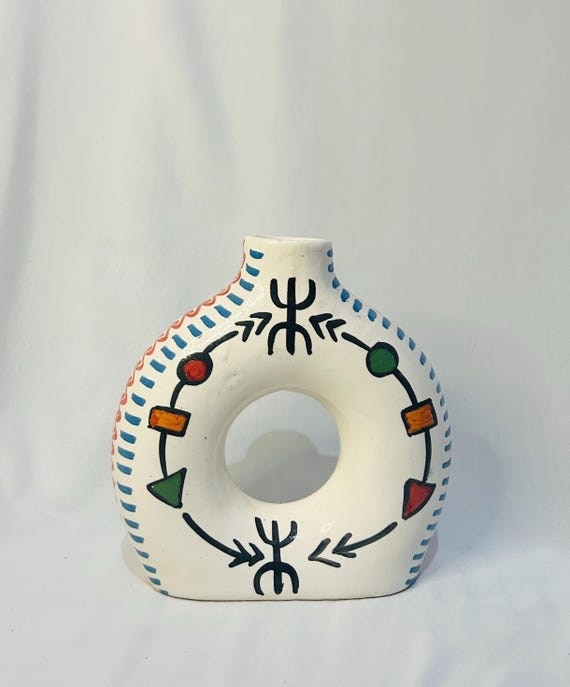
When you give Berber pottery space, it works best. A single piece of furniture, like a shelf, table, or console, can hold a room together without taking over.
These things go well with soft materials like linen, raw wood, stone, and plaster. You don’t need a Moroccan or themed interior. The piece’s strength comes from the difference between the traditional form and the modern space.
Don’t overdo it with the style. Berber pottery is always there, whether it’s empty or being used for branches, utensils, or storage. Its form and history speak for themselves.
How to Recognize Authentic Berber Pottery
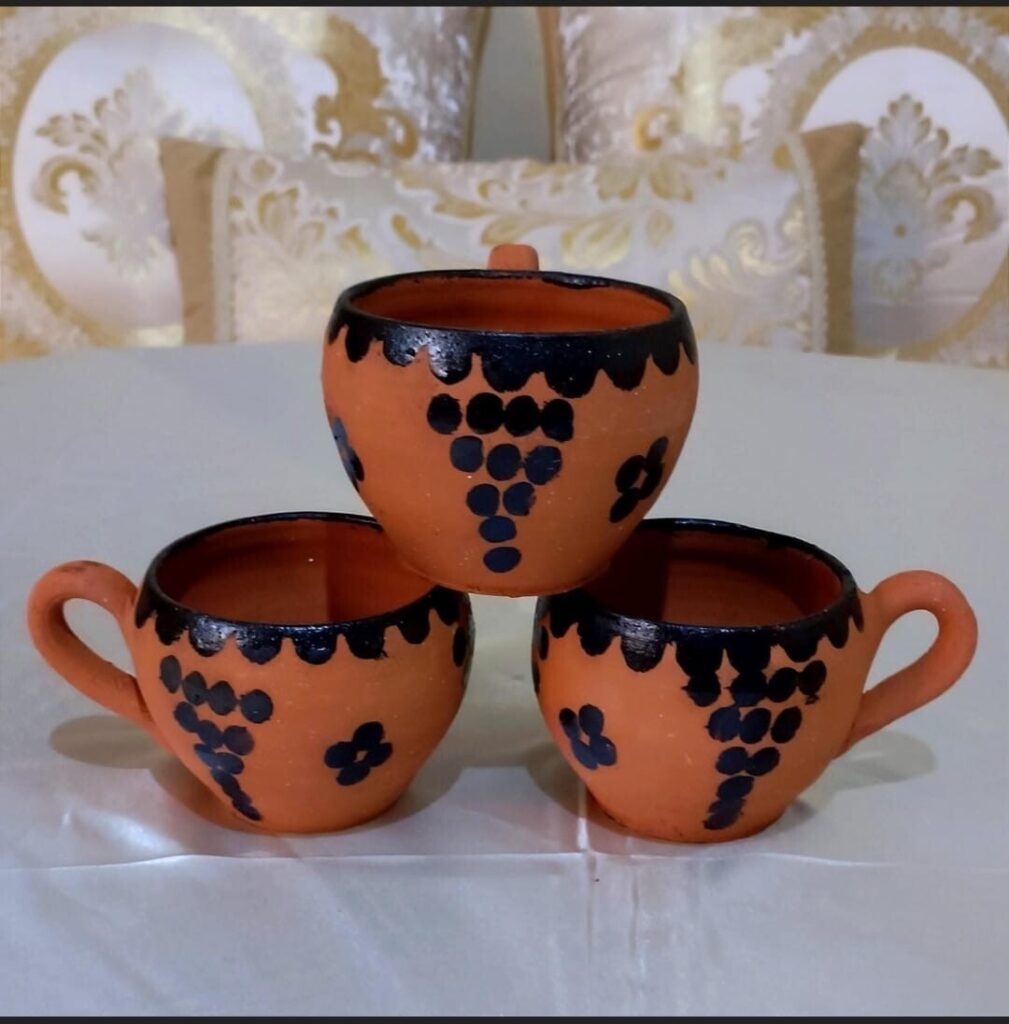
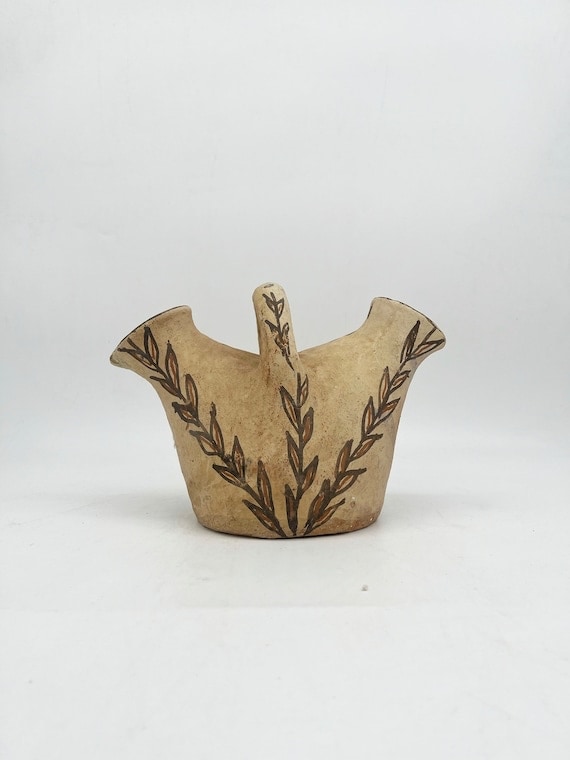
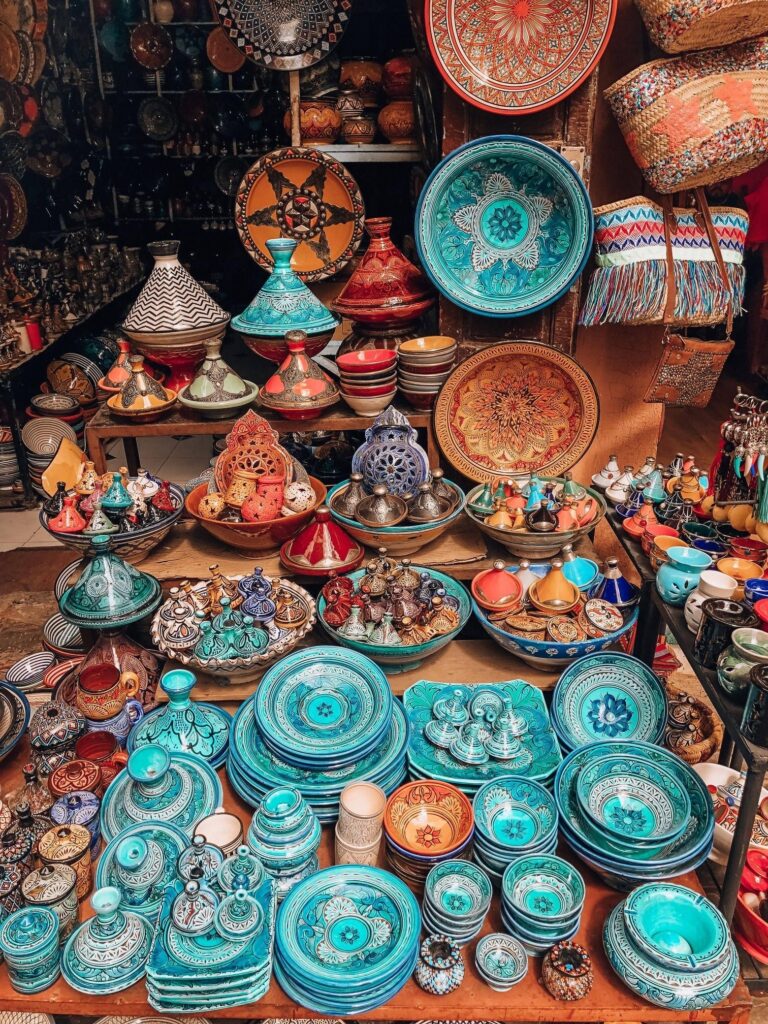
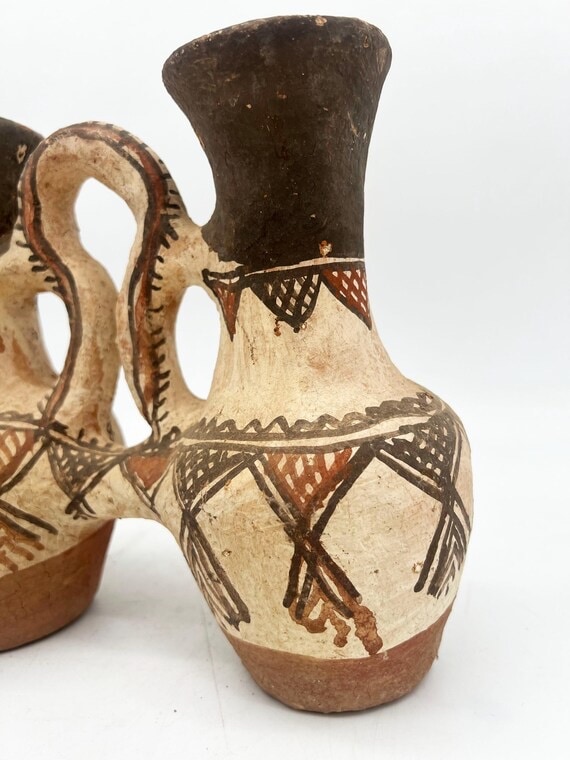
Authentic Berber pottery is rarely perfect. Look for irregular shapes, subtle variations in thickness, and matte or softly textured surfaces rather than glossy finishes.
Natural firing produces earthy tones—cream, red, brown, ochre, or smoke-darkened areas—that vary across a single piece. Uniform color or overly precise decoration often indicates industrial production.
Context matters. Genuine pieces usually come with clear information about origin, use, and process. Authentic Berber pottery doesn’t rely on polish—it carries its truth in material and form.
Why Buying Authentic Berber Pottery Matters
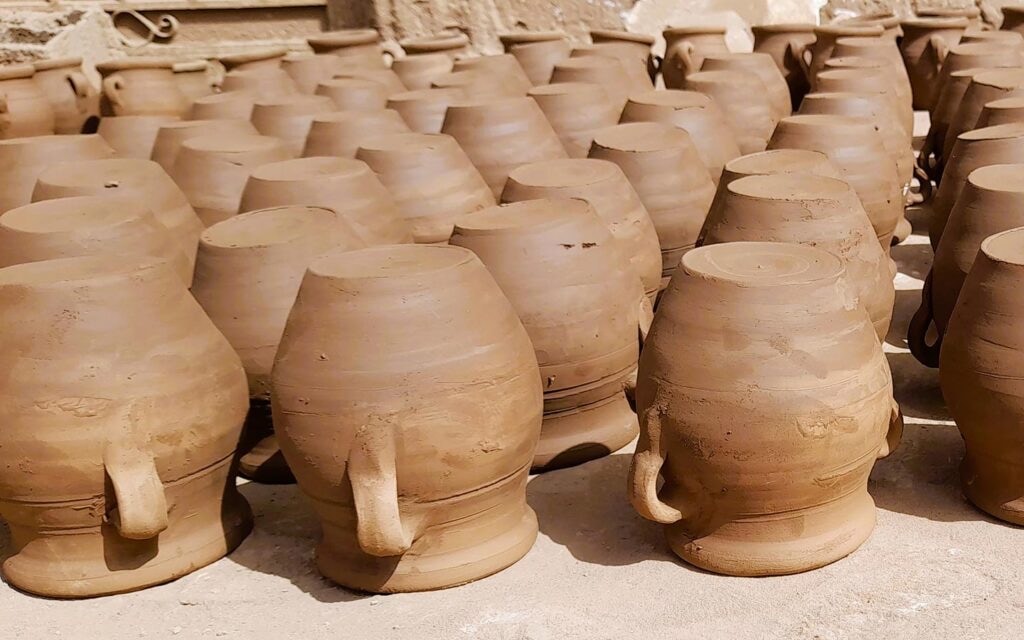
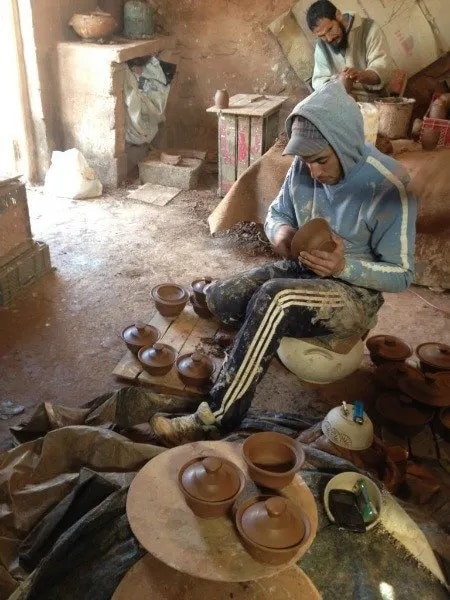
Buying real Berber pottery helps keep a type of craft alive that is becoming less stable. In many places, women have led the way in making pottery, and they have kept it going by doing it every day instead of going to formal workshops.
Choosing real pieces helps keep alive knowledge that has been passed down through generations and shows that work that has been around for a long time outside of commercial systems is valuable.
It also promotes a slower, more thoughtful way of consuming things—choosing fewer things that are better and made to last and matter.
Final Thought—Objects That Ask You to Slow Down
Berber pottery was never meant to impress. It was shaped to serve, to endure, and to accompany everyday life quietly.
In a world driven by speed and polish, these objects invite a different rhythm. They ask you to slow down, to value texture over shine, presence over perfection. A single piece can ground a space—not through decoration, but through honesty.
Choosing Berber pottery is less about style than intention. It is a way of welcoming objects that carry time, hands, and memory into your home—objects that don’t demand attention, yet reward it the longer you live with them.